 Follow Us on Google News
 Follow Us on Google Discover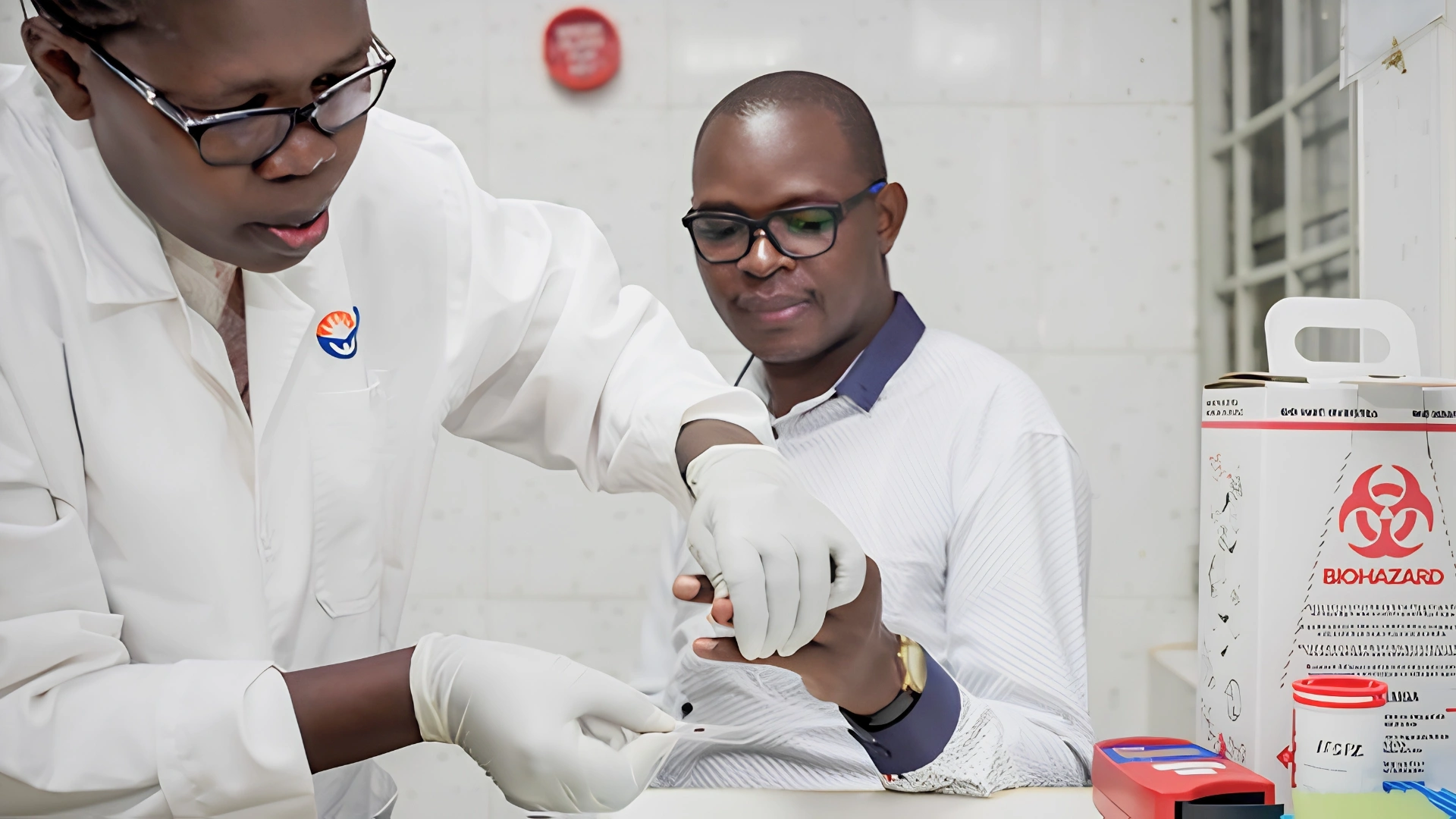
By Onyema Emmanuella Chinonyelum
One of the most common health misconceptions in Nigeria is the belief that every case of malaria should be treated alongside typhoid fever. As a result, many people routinely take antibiotics whenever they are diagnosed with malaria, even without medical evaluation or laboratory confirmation that they have a bacterial infection.
This widespread practice is contributing to one of the world’s fastest-growing public health threats: antimicrobial resistance.
Understanding the difference
Although malaria and typhoid fever share several symptoms, including fever, headache, weakness and loss of appetite, they are caused by entirely different organisms.
Malaria is a parasitic disease caused by Plasmodium parasites and transmitted through the bite of infected female Anopheles mosquitoes.
Typhoid fever, on the other hand, is a bacterial infection caused by Salmonella Typhi. It spreads through food or water contaminated with the bacteria.
Because their symptoms overlap, many people wrongly assume they have both illnesses and begin taking antibiotics without proper diagnosis.
Antibiotics do not treat malaria
Antibiotics are medicines used to treat bacterial infections by killing bacteria or preventing them from multiplying. They do not treat malaria, which is caused by parasites, nor are they effective against viral or fungal infections.
While a patient can have malaria and typhoid fever simultaneously, such cases should be diagnosed only after a proper medical assessment and, where appropriate, laboratory testing.
The dangers of unnecessary antibiotics
Taking antibiotics when they are not needed carries serious consequences.
The most significant is antimicrobial resistance, which occurs when bacteria evolve and become resistant to medicines that previously killed them. According to the World Health Organisation, antimicrobial resistance is one of the greatest threats to global health and was associated with millions of deaths worldwide in 2021.
Unnecessary antibiotic use can also expose patients to avoidable side effects, including nausea, vomiting, diarrhoea and allergic reactions.
It also increases healthcare costs. When bacteria become resistant, future infections often require more expensive medicines, longer hospital stays and more intensive treatment.
What should Nigerians do?
Health experts recommend that people experiencing symptoms such as fever seek proper medical evaluation rather than assuming they have both malaria and typhoid fever.
Patients should:
- Get tested where appropriate to determine whether they have malaria, typhoid fever or another illness.
- Take antimalarial medicines only when malaria has been diagnosed by a qualified healthcare professional.
- Use antibiotics only when prescribed for a confirmed or strongly suspected bacterial infection.
- Complete every prescribed course of antibiotics.
- Never share antibiotics or use leftover medicines from previous treatments.
Protecting antibiotics for the future
Antibiotics remain one of the greatest achievements of modern medicine. However, their effectiveness depends on responsible use.
Treating every fever as “malaria and typhoid” without proper diagnosis not only exposes patients to unnecessary medicines but also accelerates the development of drug-resistant bacteria.
Protecting antibiotics begins with changing this misconception. Proper diagnosis, appropriate treatment and responsible medicine use will help ensure these life-saving drugs remain effective for future generations.
Onyema Emmanuella Chinonyelum is a nursing undergraduate based in Enugu. She can be reached at [email protected]

