 Follow Us on Google News
 Follow Us on Google Discover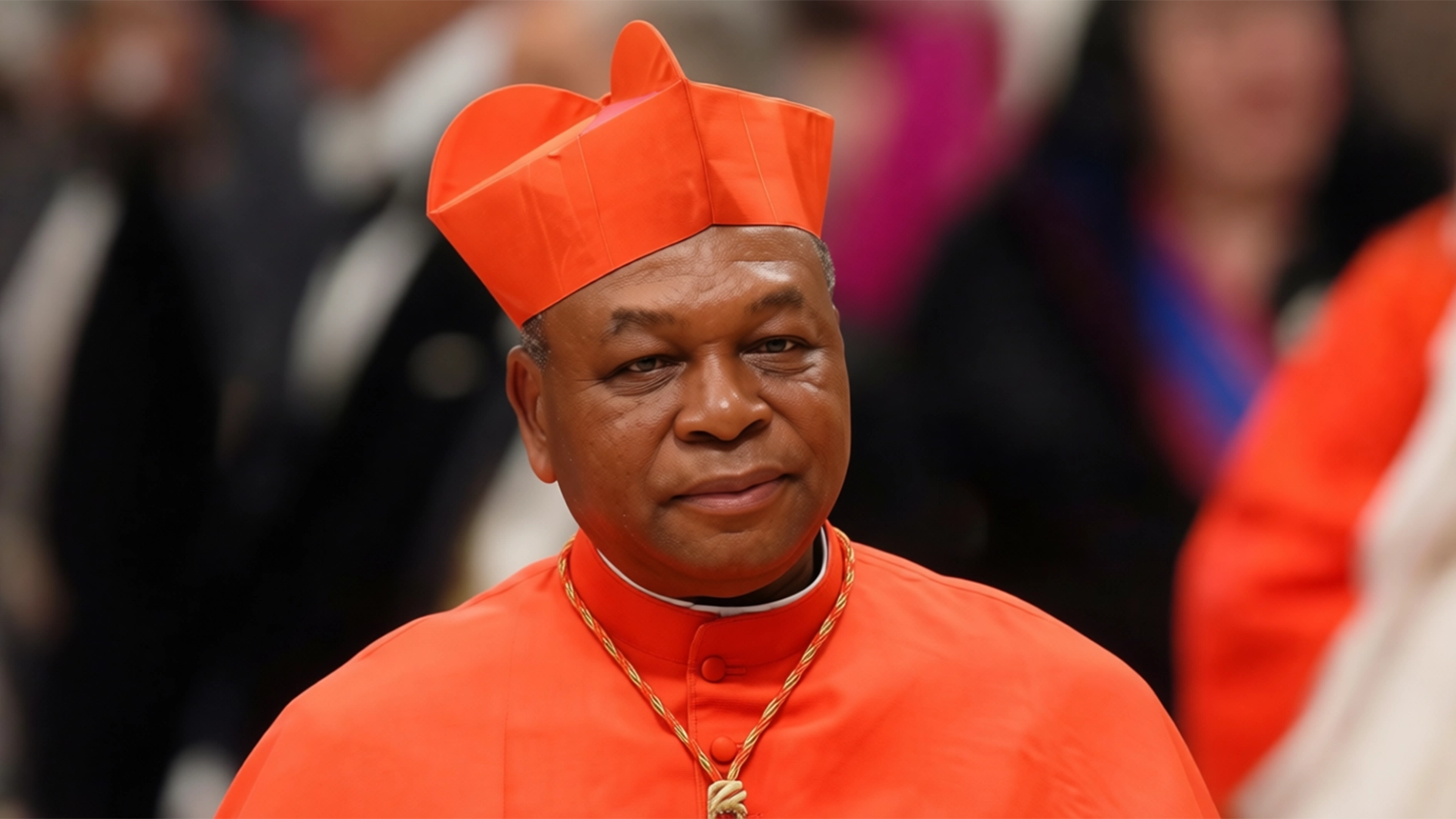
The Special Adviser to the President on Media and Public Communication, Sunday Dare, has faulted the criticism directed at President Bola Tinubu and his economic policies by Archbishop Emeritus John Cardinal Onaiyekan and the Catholic Bishops’ Conference of Nigeria (CBCN).
During an interview with Arise TV, Onaiyekan, who had led Catholic Bishops on a visit to the President, revealed details of their discussion.
“When the nation is bleeding, you cannot expect a polite meeting with the Head of State. We told him the economy is not helping our poor people; he told us the economy is doing fine. Frankly speaking, he told us quite clearly that he did not agree with us,” Onaiyekan said.
He added, “We didn’t expect him to agree with us. We have done our duty, we have delivered our message, and we have a feeling that somehow, along the line, somebody will show him a few of the things we said.”
Reacting, Dare stated that while Onaiyekan and his cohort choose the easy path of populist lamentation, the facts of President Tinubu’s administration reveal a relentless, methodical restoration of the Nigerian state. He said that by courageously removing the petrol subsidy and unifying the foreign exchange windows within his first days in office, President Tinubu ended decades of economic illusion.
“State and local governments now receive record-breaking monthly allocations from the Federation Account Allocation Committee (FAAC), enabling governors—including those in the Catholic heartlands—to pay salaries, fund local infrastructure, and service pensions promptly. The debt service-to-revenue ratio has been dramatically slashed to under 65%, pulling Nigeria back from the edge of default and restoring international credit rating confidence, he said..
According to Dare, the administration did not merely reform numbers; it invested in human dignity. He noted that through the landmark establishment of the Nigerian Education Loan Fund (NELFUND), millions of indigent students across tertiary institutions now access interest-free loans for tuition and stipends. “Academic calendar stability has been restored, ending the agony of prolonged university strikes that once paralysed national development,” he said.
The presidential spokesperson revealed that to counter global inflation and local supply shocks, the Tinubu administration deployed emergency agricultural interventions that involve direct distribution of hundreds of thousands of metric tons of grains and fertilisers to smallholder farmers nationwide, the multi-billion naira investments in dry-season farming, mechanisation hubs, and irrigation infrastructure aimed at achieving permanent food self-sufficiency.
He said to understand the weight of President Tinubu’s achievements, one must first measure the abyss Nigeria faced on the eve of his inauguration. He recalled that in May 2023, the Nigerian nation was hovering on the precipice of total economic collapse and structural paralysis.
“The unsustainable petrol subsidy regime was draining trillion-naira holes into the national treasury monthly, enriching a parasitic cabal of smugglers and middlemen while starving sub-national governments of basic infrastructure funding. A fraudulent multi-tiered foreign exchange system had turned the Central Bank of Nigeria into an arbitrage engine, crippling legitimate manufacturing, scaring off foreign direct investment, and burning through scarce external reserves.
“The nation’s debt service-to-revenue ratio had spiralled to an unsustainable 97 per cent, meaning Nigeria was literally borrowing money to pay interest on past loans while operational governance ran on fiscal fumes. This was the broken, bleeding nation handed over to President Tinubu. It required bold surgery, not diplomatic sedation. Yet, when the President applied the sharp scalpel of structural reform, armchair critics and political opponents decried the incision while ignoring the terminal tumour it removed,” he said.

