 Follow Us on Google News
 Follow Us on Google Discover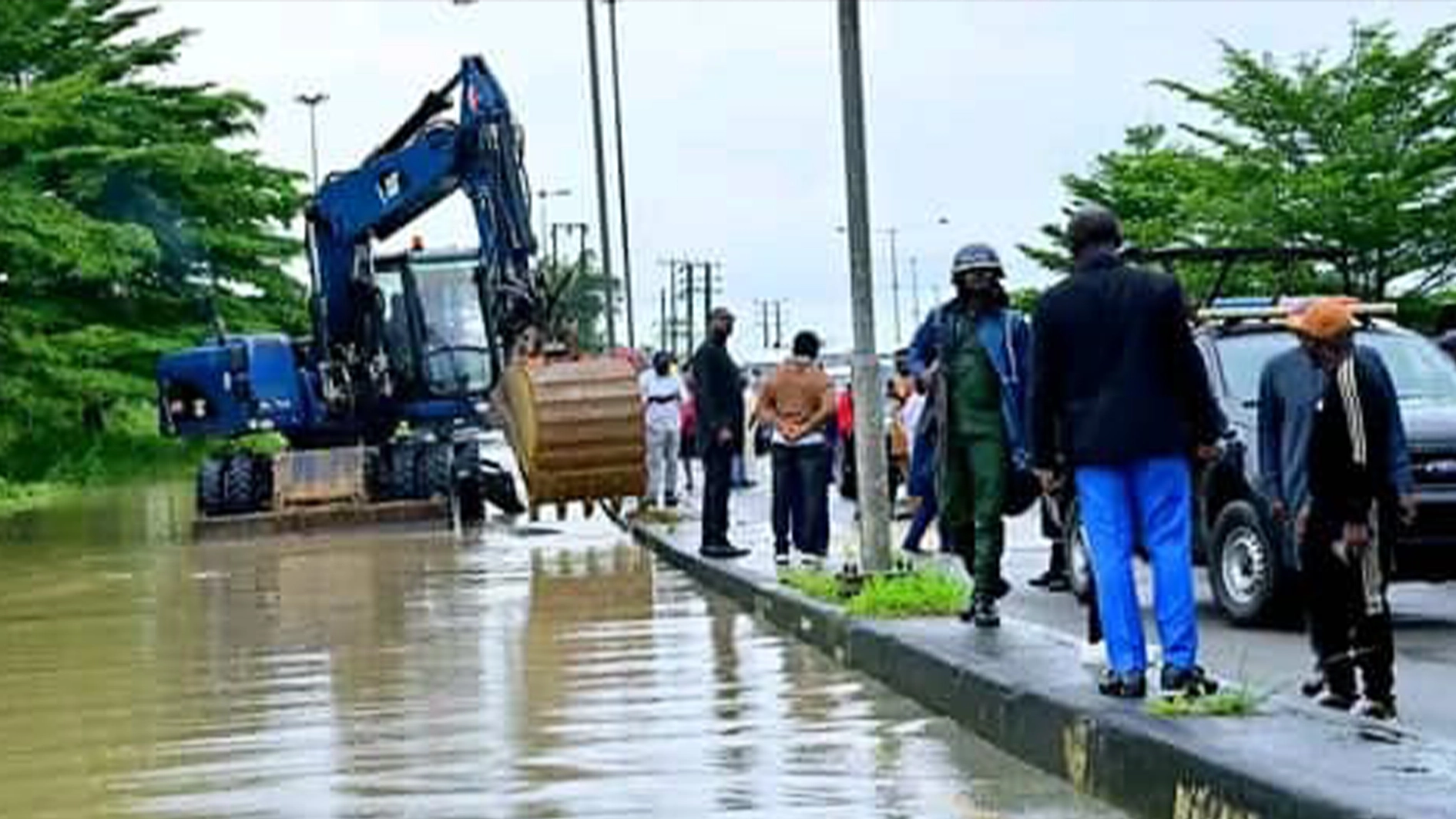
As climate change intensifies the frequency and severity of extreme rainfall across Africa, experts have urged regulators to strengthen the enforcement of zoning and building regulations that reflect current climate realities and prevent development in flood-prone and riparian areas.
They also called on governments to move beyond reactive emergency responses by investing in resilient infrastructure capable of withstanding increasingly severe weather events. They recommended the modernisation of ageing drainage systems, climate-resilient urban planning, and the expansion of flood forecasting and early warning systems.
The recommendations were made by experts and pan-African real estate research and advisory firm, Fortren & Company, during a study on “How Flooding is Reshaping Africa’s Real Estate Markets.”
The experts stressed that developers can no longer afford to build for yesterday’s climate.
According to them, beyond complying with existing regulations, developers should conduct comprehensive hydrological and drainage assessments before acquiring land, integrate climate resilience into project designs from the planning stage and position flood-resilient developments as a long-term value proposition for increasingly climate-conscious buyers.
They argued that resilience should no longer be viewed as an additional cost but as a competitive advantage that protects property values over time.
The experts also advised homebuyers and investors to treat flood resilience with the same importance as location, expected returns and other investment fundamentals. “This requires rigorous due diligence, including reviewing a property’s flood history, independently assessing drainage capacity and site topography, and incorporating official flood-risk forecasts from meteorological agencies into investment decisions. Flood-risk classification should become a mandatory underwriting requirement rather than a supplementary consideration,” they said.

They noted that major real estate markets, including Lagos, Accra, Abidjan and Nairobi, continue to experience recurrent flash floods that disrupt communities, damage property and commercial assets, and inflict significant economic losses.
According to the United Nations, about five million people have been affected by flood-related disasters across 19 countries in West and Central Africa this year. In Nigeria and Ghana alone, more than 74 people have lost their lives, thousands have been displaced and property worth billions of dollars has been destroyed.
The experts described Lagos as part of a broader urban resilience challenge unfolding across Africa’s rapidly growing cities, where climate change, rapid urbanisation and inadequate long-term infrastructure planning continue to increase flood risks.
They observed that Ghana and Côte d’Ivoire have recorded repeated flash floods affecting communities such as Weija, Kaneshie, Alajo, Adabraka, Avenor and Odawna/Kwame Nkrumah Circle in Accra, as well as Attécoubé, Mossikro, Yopougon, Abobo, Port-Bouët and Anyama in Abidjan.
Similarly, the Nairobi Metropolitan Area remains highly vulnerable to extreme weather events, particularly El Niño-induced rainfall. The most recent flooding, recorded between the first and second quarters of 2026, affected neighbourhoods including Parklands, South C, Syokimau, Athi River and parts of Westlands, resulting in at least 37 fatalities and substantial economic losses.
Lagos has experienced similar challenges, with recurring floods affecting both high-end and middle-income neighbourhoods, including Lekki Phase 1, Victoria Island, Ikoyi, Ajah, Ikorodu, Agege and Maryland, exposing decades of inadequate infrastructure planning and poor drainage management.
Managing Partner of Estate Links, Yemi Stephen, said recent floods across Ghana, Nigeria, Kenya and other African countries are likely to reshape, rather than diminish, the continent’s real estate investment landscape.
“Investors are becoming more selective, placing greater emphasis on climate resilience, environmental due diligence and long-term sustainability. Markets and assets that demonstrate resilience through sound planning, quality infrastructure and effective governance are more likely to attract investment, while those with unmanaged flood risks may face higher financing costs, lower valuations and weaker investor demand,” he said.
President of FIABCI Nigeria Chapter, Akin Opatola, said investors and homebuyers are becoming increasingly cautious about acquiring property in flood-prone locations. “There is now greater emphasis on environmental due diligence, resilience and the long-term sustainability of assets before investment decisions are made,” he said.
Chairman of Estate Links Group, Gbenga Olaniyan, noted that climate risk has become an investment risk. According to him, resilience is no longer a luxury but the foundation of sustainable real estate development and long-term investor confidence.

