 Follow Us on Google News
 Follow Us on Google Discover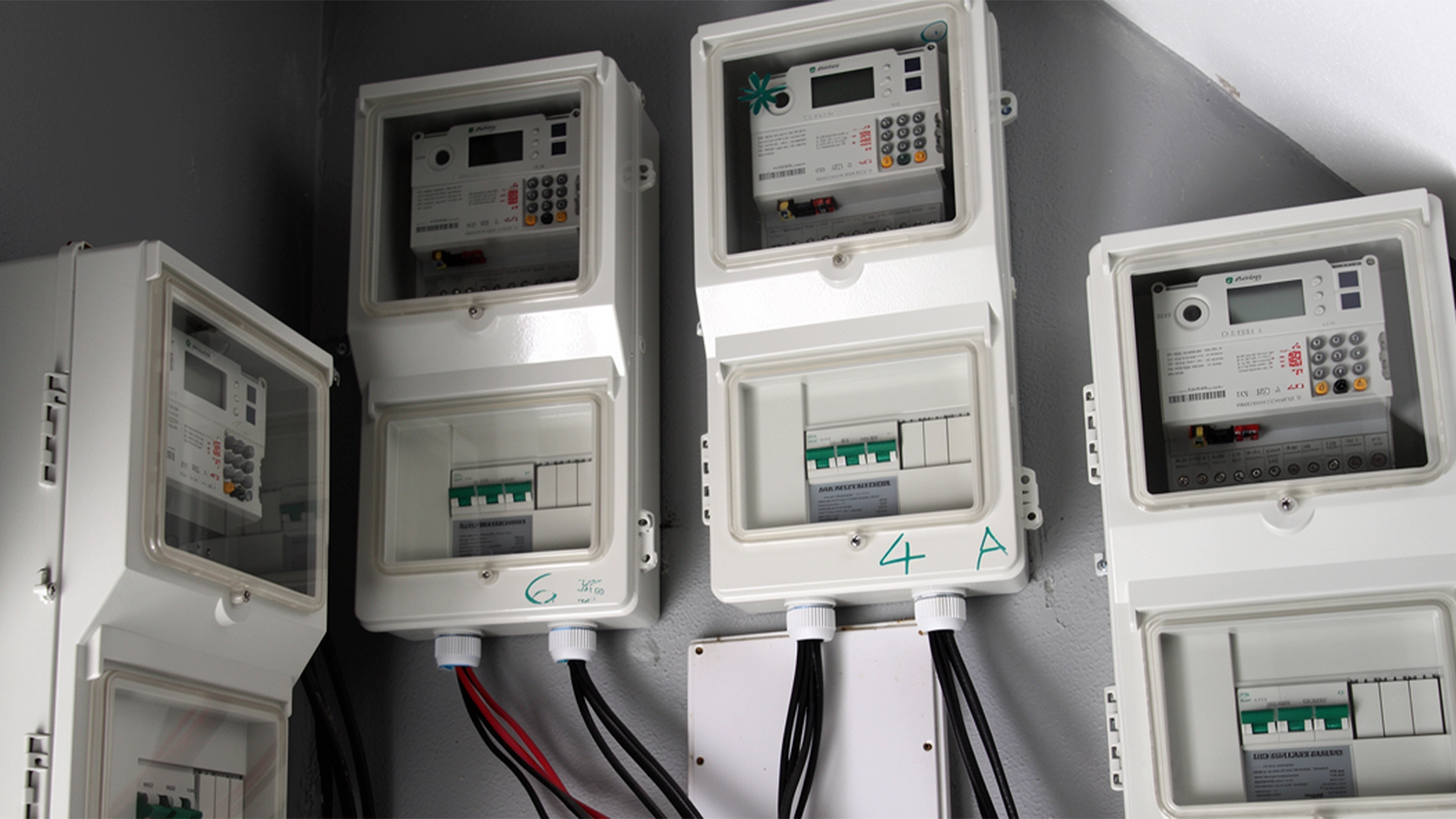
• Falana knocks FG over proposed electricity tariff hike
• TCN ex-MD, Mohammed, explains Nigeria’s persistent unstable power supply
The number of unmetered electricity consumers in Nigeria remains 5,132,994 out of the 12,457,068 active electricity customers, the Nigerian Electricity Regulatory Commission (NERC) has reported in its March and April 2026 metering status.
NERC’s data showed that the country’s metering rate stood at 59.69 per cent during the period under review. Accordingly, the figures indicate that 7,324,074 of the 12,457,068 active electricity customers were metered, representing 58.80 per cent, while 5,132,994 customers, representing 41.20 per cent, remained unmetered.
However, despite the federal government’s denial of any immediate increase in electricity tariffs, human rights lawyer, Femi Falana, SAN, has knocked the President Bola Tinubu administration’s planned electricity tariffs increment, insisting that Nigerians should not be made to bear the burden of years of policy failures and inefficiency in the power sector.
The Minister of Power, Joseph Tegbe, had told a media roundtable on the resetting of Nigeria’s power sector in Lagos that the administration’s priority was to improve power supply, achieve universal metering and ensure that consumers pay only for the electricity they consume.
In the meantime, former managing director of the Transmission Company of Nigeria (TCN), Usman Mohammed, has revealed that the country’s electricity challenges have persisted because the Nigerian Government has made mistakes and continued in the same direction.

NERC stated that Nigeria’s electricity distribution companies (DisCos) metered an additional 111,654 customers in April, following 115,905 meter installations in March.
Further analysis of the data showed that EkoDisCo recorded the highest metering rate at 88.78 per cent, followed by Ikeja DisCo (87.93 per cent) and Abuja DisCo (80.08 per cent).
Also, electricity consumers in Abuja and its environs pay between N100,835 and N148,162 for a single-phase meter, while a three-phase meter costs between N168,452 and N268,750. However, electricity supply has remained unstable across many parts of the Federal Capital Territory and other parts of Nigeria.
Opposing the proposed plan, however, Falana said the government must first fulfil its promise to provide stable, uninterrupted electricity before contemplating any further increase in tariffs.
The senior lawyer, who addressed newsmen in Ilawe-Ekiti, argued that Nigerians deserve reliable electricity rather than higher costs for poor power supply.
He recalled that President Tinubu had promised Nigerians uninterrupted electricity during his election campaign, stressing that such a commitment should take precedence over any proposal to increase electricity charges.
Criticising what he described as the government’s plans to completely withdraw from its responsibilities in the electricity sector after privatising the distribution companies, Falana alleged that the owners of the electricity companies maintain close ties with those in government, and that such relationships should not be used to shield the companies from accountability.
The legal practitioner maintained that the government should consider taking back control of the companies in the public interest if the current privatisation arrangement has failed to deliver efficient electricity supply.
Falana added that the government has a responsibility to ensure the power sector functions effectively, rather than transferring the consequences of failed policies onto ordinary citizens through increased tariffs.
Therefore, he urged the government to prioritise reforms that would ensure efficient electricity generation, transmission, and distribution rather than impose additional financial burdens on consumers.
“The government should provide an uninterrupted supply of electricity. That was a promise made by President Bola Tinubu when he was a candidate,” he stated.
“The government wants to withdraw completely. Having sold our electricity companies, the government cannot be allowed to leave Nigerians in the lurch. Those who bought the electricity companies are friends of the government.
“The government should either nationalise all the electricity companies and ensure that they operate optimally, but you cannot punish Nigerians for the carelessness, irresponsibility, or connivance of the government.”
Explaining why there is no stable electricity supply in the country, he stated that the federal government has incompetent people managing the power sector, and that corruption is another reason the country’s electricity supply challenges have persisted.
According to Mohammed, who spoke in an interview on Oseni Rufai’s Nevon Podcast, though former President Olusegun Obasanjo’s administration had good intentions to tackle the power sector’s challenges, its efforts hit a brick wall.
“In Nigeria, we rush to do things without adequate studies,” he added. “We put incompetent people in charge; that is why we have been failing and continue to fail.”
The country continues to grapple with electricity generation of between 3,000 and 6,000 megawatts for an estimated 250 million people.

