 Follow Us on Google News
 Follow Us on Google Discover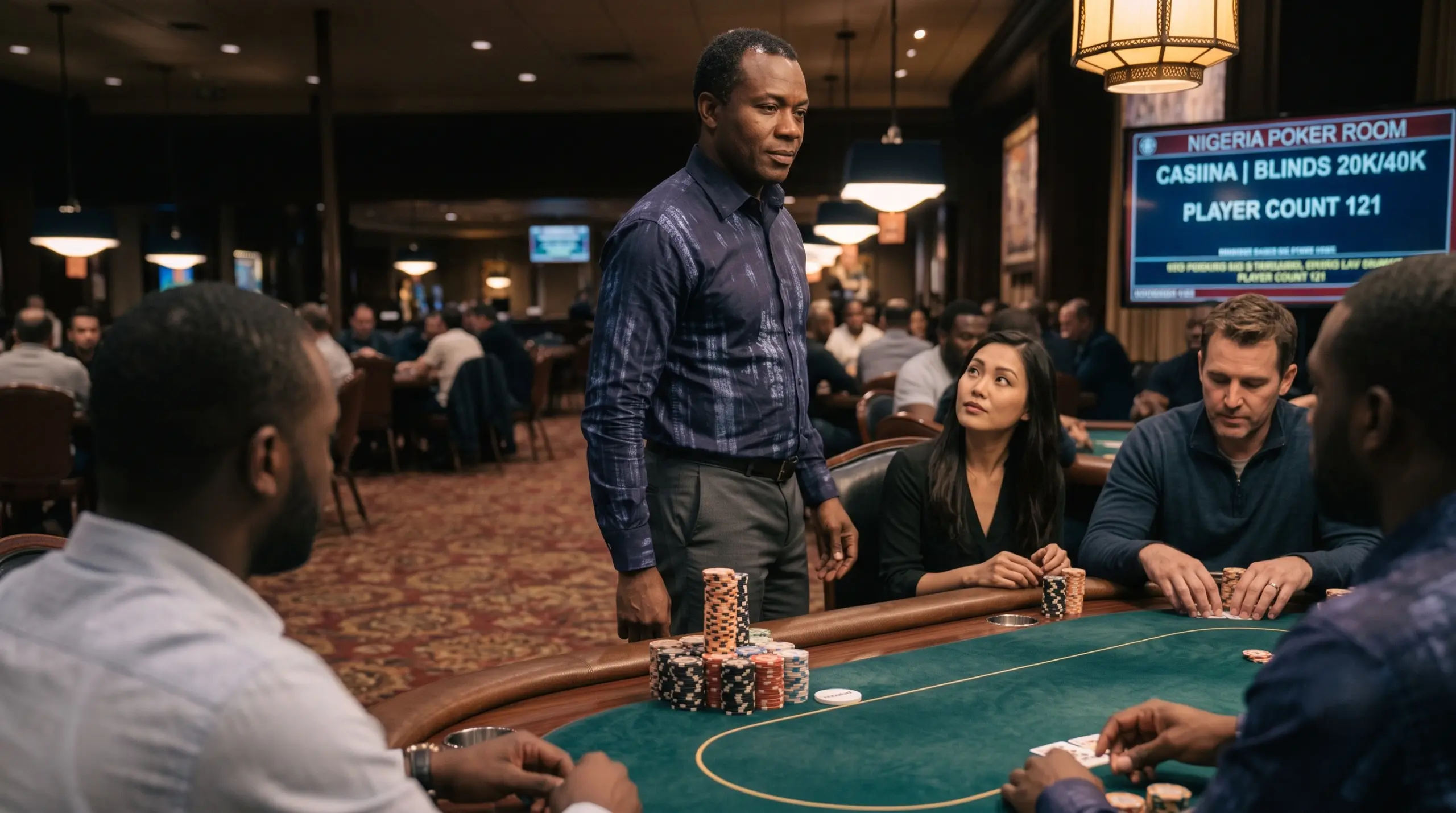
People often think poker is about having the courage to go all in. In my experience, the greatest players earn their reputation by knowing exactly when not to. The hardest lesson the game ever taught me wasn’t how to win. It was how to leave.
One of the biggest pots I ever lost wasn’t really about the money.
At the time, that’s all I could think about. Thousands of dollars had disappeared in what felt like a never-ending run of bad beats. Every time I believed I had the best hand, someone found a way to beat me. It seemed impossible. Every decision I made looked right, yet the outcome kept going against me.
As the losses mounted, something far more dangerous than bad cards took over.
My ego.
I told myself I couldn’t possibly leave the table now. Surely the next hand would change everything. Surely my luck had to turn. Surely I was too experienced to end the night like this.
The more I thought that way, the worse my decisions became.
Eventually, I did something I should have done much earlier.
I stood up and walked away.
It wasn’t an easy decision. In many ways, it felt like admitting defeat. I barely slept that night. I replayed every hand in my mind, wondering where things had gone wrong. But with the benefit of hindsight, I realised the biggest mistake wasn’t losing those hands.
It was believing my pride could somehow negotiate with reality.
Poker has a word for the emotional state that traps so many players after a painful loss.
It’s called tilt.
Tilt happens when frustration begins making decisions for you. Instead of calmly assessing the situation, you chase what you’ve lost. You play hands you would normally fold. You convince yourself that one big win will erase every mistake you’ve made.
Professional poker players fear tilt more than they fear bad luck.
That’s because bad luck eventually passes.
Poor decision-making can empty your stack long before the cards become your problem.
Psychologists have studied similar behaviour for decades. One of the best-known concepts is the sunk cost fallacy, the tendency to continue investing in something simply because we’ve already invested so much. Whether it’s money, time or emotion, we struggle to let go because walking away feels like admitting failure.
Poker exposes that weakness almost immediately.
Life often hides it.
Think about the entrepreneur who keeps funding a business model that clearly isn’t working because they’ve already spent years building it. Think about the investor who refuses to sell a failing asset because “it will come back”. Think about relationships that continue long after trust has disappeared simply because too much time has already been invested.
We’ve all seen those stories.
Many of us have lived them.
The cards may be different, but the psychology is exactly the same.
One of the greatest poker champions in history, Doyle Brunson, once observed that poker is a game of people. His point wasn’t simply that players should read one another. It was that understanding yourself is just as important as understanding your opponent.
I’ve found that to be true.
The toughest opponent I’ve ever faced wasn’t sitting across the table.
He was sitting in my own chair.
Over the years, I’ve come to recognise the warning signs. When I start thinking about recovering losses instead of making good decisions, I know it’s time to pause. When emotion begins speaking louder than logic, I know the game has changed.
The table hasn’t changed.
I have.
That awareness has helped me not only in poker but also in business.
Running poker events means making decisions every week. Some ideas work brilliantly. Others don’t. Not every event attracts the turnout you hope for. Not every partnership develops the way you imagined. The temptation is always to keep pushing simply because you’ve already committed resources.
Experience has taught me that there is strength in reassessing.
Walking away from one approach often creates room for a better one.
The same principle applies to leadership.
Strong leaders are not those who stubbornly defend every decision they’ve ever made. They are the ones confident enough to change course when new evidence appears.
Unfortunately, many people mistake flexibility for weakness.
Poker teaches the opposite.
Folding a hand isn’t surrender.
It’s strategy.
You’re choosing to protect your resources for a better opportunity. You’re recognising that today’s loss doesn’t have to become tomorrow’s disaster.
That lesson is especially relevant in a world where we’re constantly encouraged to keep pushing, keep fighting and never quit. Perseverance is an admirable quality, but perseverance without judgement can become self-destruction.
Sometimes the bravest decision is to continue.
Sometimes the wisest decision is to stop.
Knowing the difference is what separates professionals from everyone else.
As I look back on that difficult night at the poker table, I no longer remember the amount I lost as vividly as I remember the lesson it left behind.
The money eventually came back.
The lesson has stayed with me ever since.
These days, when I see a new player struggling to accept a bad run of cards, I don’t immediately talk about strategy.
I talk about perspective.
Tomorrow’s game cannot be played with yesterday’s emotions.
That may be one of the most valuable lessons poker has ever given me.
And I suspect it is one many of us could use long after we’ve left the table.
Beyond the Cards
Walking away is not the opposite of courage. Sometimes it is courage. The strongest decisions are often the quietest ones, made not to protect our pride but to protect our future.
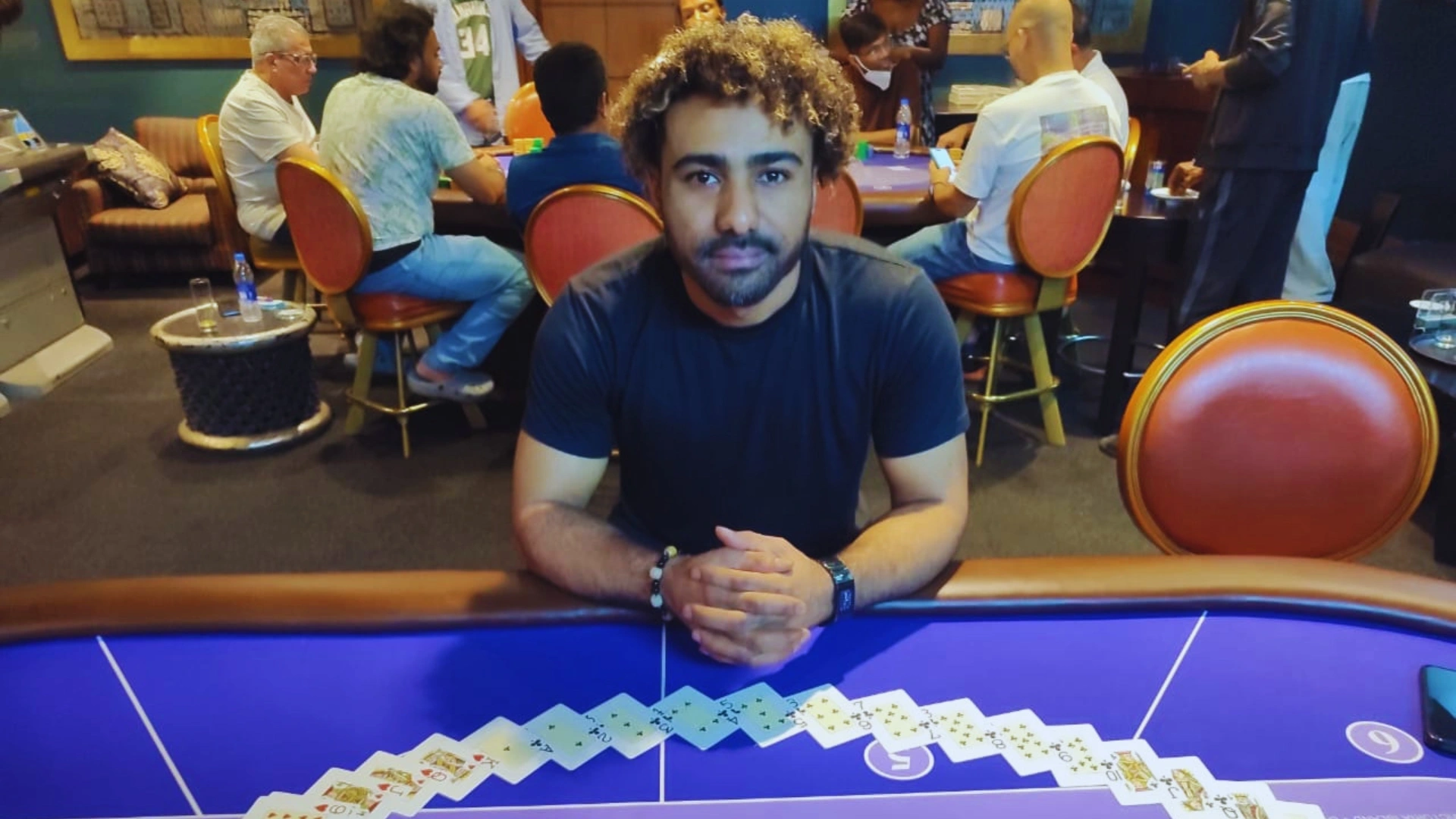
Elloy Johnny Michel is a second-generation poker professional and casino operator whose weekly column explores leadership, psychology, decision-making and human behaviour through the lens of poker.

