 Follow Us on Google News


 Follow Us on Google Discover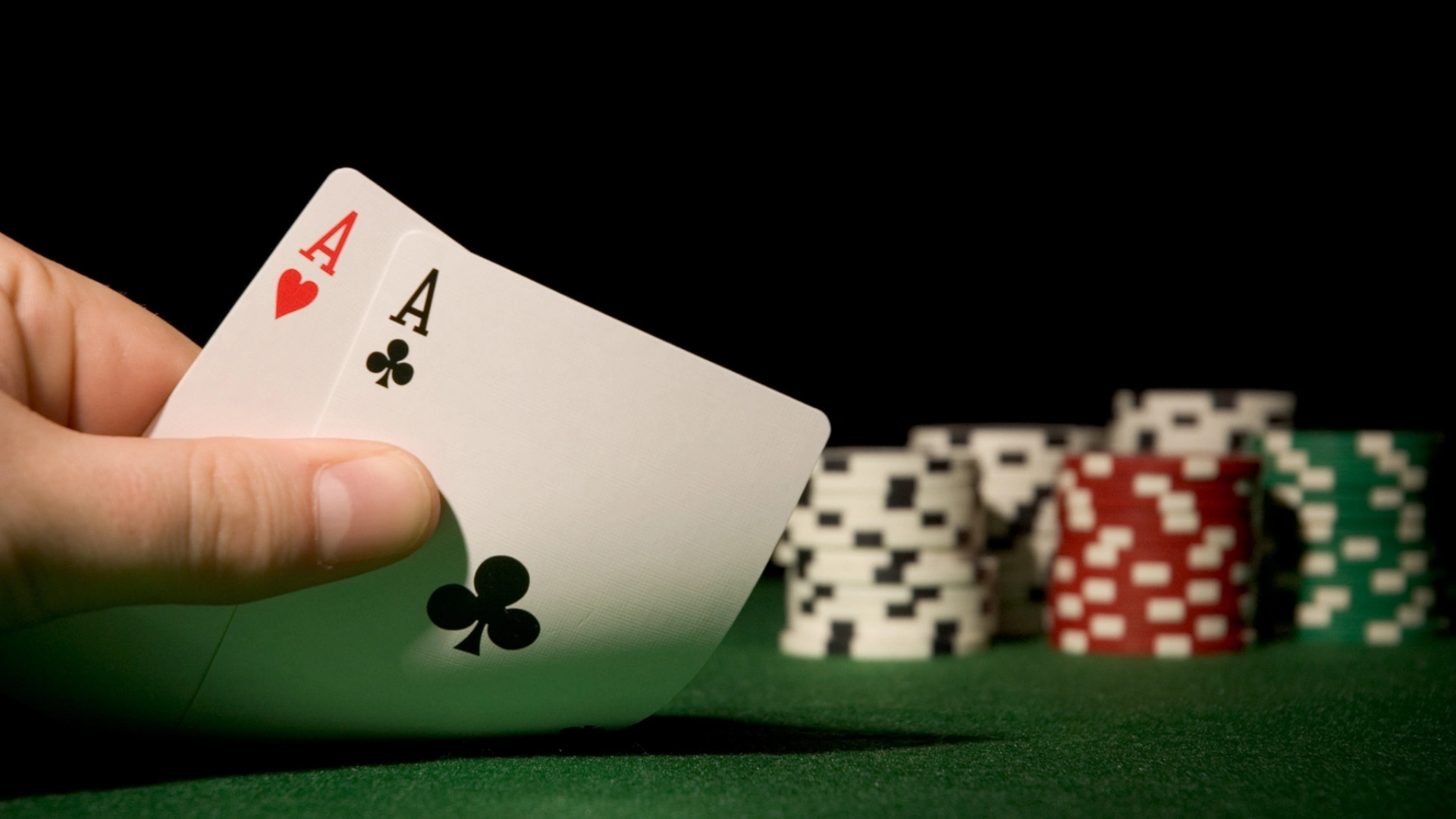
In Nigeria, poker is too often misunderstood.
For many, it sits in the same moral and cultural box as reckless gambling, dismissed as vice, indulgence or, at best, a risky pastime. Yet, for those who have spent years around the table, the game reveals something far more complex: a disciplined contest of psychology, patience and calculated decision-making.
Elloy Johnny Michel, a Lagos-based poker operator who grew up in the orbit of the casino industry, argues that the perception needs urgent correction. “Yes, people call it gambling because money is involved, but poker is not just gambling,” he says in an interview with The Guardian at the Federal Palace Hotel & Casino, Victoria Island, Lagos – one of the foremost casinos in the city, and Nigeria as a whole. “You have choices. You decide when to play, when to fold, and when to walk away. That alone changes everything.”
His introduction to the game was not accidental. Raised in a family deeply rooted in the casino business – his father, Johnny Abdallah, widely regarded as a veteran operator – Elloy’s early exposure to poker came not as a casual hobby, but as part of a wider education in entertainment, discipline and enterprise.
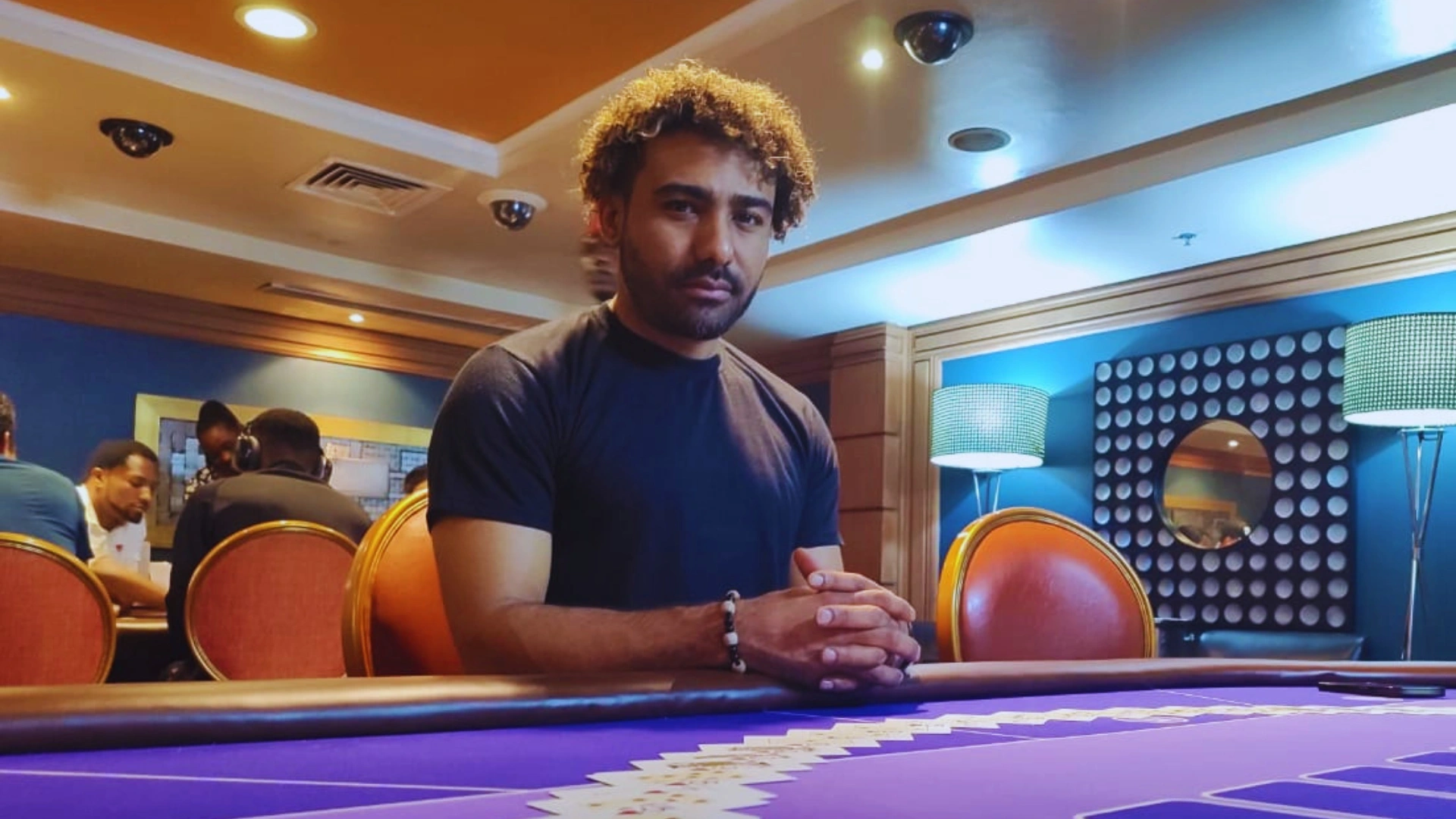
“I grew up around it,” he explains. “But I only realised it was more than a game when I started making money from it. That was the moment it became real.”
What distinguishes poker from other forms of gambling, he insists, is not simply the presence of skill, but the central role of human behaviour. Unlike roulette or slot machines, poker demands emotional intelligence as much as mathematical awareness.

“You need intelligence, yes. You need to understand probability. But more than anything, you need control,” he says. “If you cannot manage your emotions, you will lose money, even if you are a good player.”
That loss of control – what seasoned players refer to as “tilt” – is, in his view, the single greatest weakness among new entrants to the game. A bad hand, an unexpected loss, or what players call a “bad beat” can quickly spiral into reckless decisions.
“It’s not always that people are bad players,” he notes. “It’s their emotions that make them lose. Anger, frustration, ego; those are the real dangers at the table.”
This psychological dimension is what elevates poker from a pastime to a profession. While recreational players often reveal their instincts through their play, cautious individuals fold too early, risk-takers “overcommit,” while experienced professionals learn to separate personality from performance.
“A seasoned player does not show you who he is,” Elloy explains. “He creates a different version of himself at the table. That is where the real game begins.”
Beyond the table, he believes poker offers broader lessons that extend into business and everyday life. Patience, timing and restraint, qualities essential to success in the game, are equally valuable in decision-making and relationships.
“You learn to wait,” he says. “Wait for the right moment to act, to speak, to move. That discipline stays with you outside the casino.”
Yet, despite its depth, poker in Nigeria continues to grapple with stigma. The assumption that it is inherently harmful persists, even as participation grows rapidly among young adults.
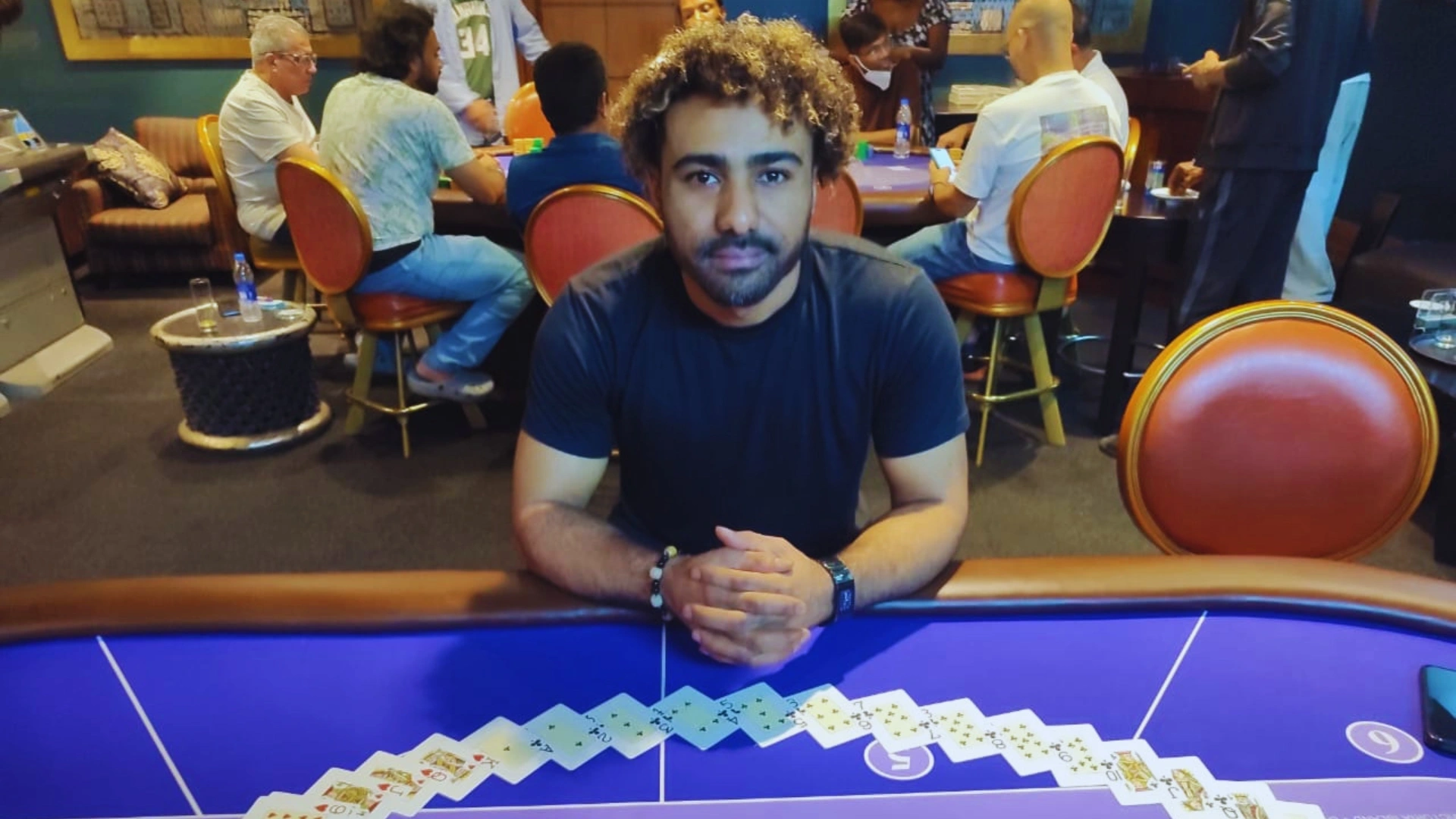
“There is still this belief that it is something bad,” Elloy says. “But if you look at the numbers, more Nigerians are engaging with gaming than ever before. The reality has already changed, but the perception has not.”
He also points to structural challenges within the industry, particularly around regulation and taxation. While oversight is necessary, he argues that excessive financial burdens on operators risk stifling growth and encouraging informal practices.
“If the system becomes too expensive, people will look for ways around it,” he says. “That is not good for anyone. If you make it more accessible and structured properly, the industry can grow and generate serious revenue.”
That growth potential, he believes, remains largely untapped. With its population, energy and global connectivity, Lagos could position itself as a major destination within the international poker circuit, even hosting large-scale tournaments that attract global players.
“We have the city, we have the people, we have the culture,” he says. “There is no reason Nigeria cannot host major international poker events. The economic impact would be massive.”
At venues such as the Federal Palace Hotel & Casino in Lagos, where Elloy now operates independently after years of working within established structures, there are early signs of that evolution. A more diverse clientele, higher standards of organisation, and increasing international participation suggest a gradual shift towards a more professionalised industry.
Still, for Elloy, the essence of poker remains deeply personal.
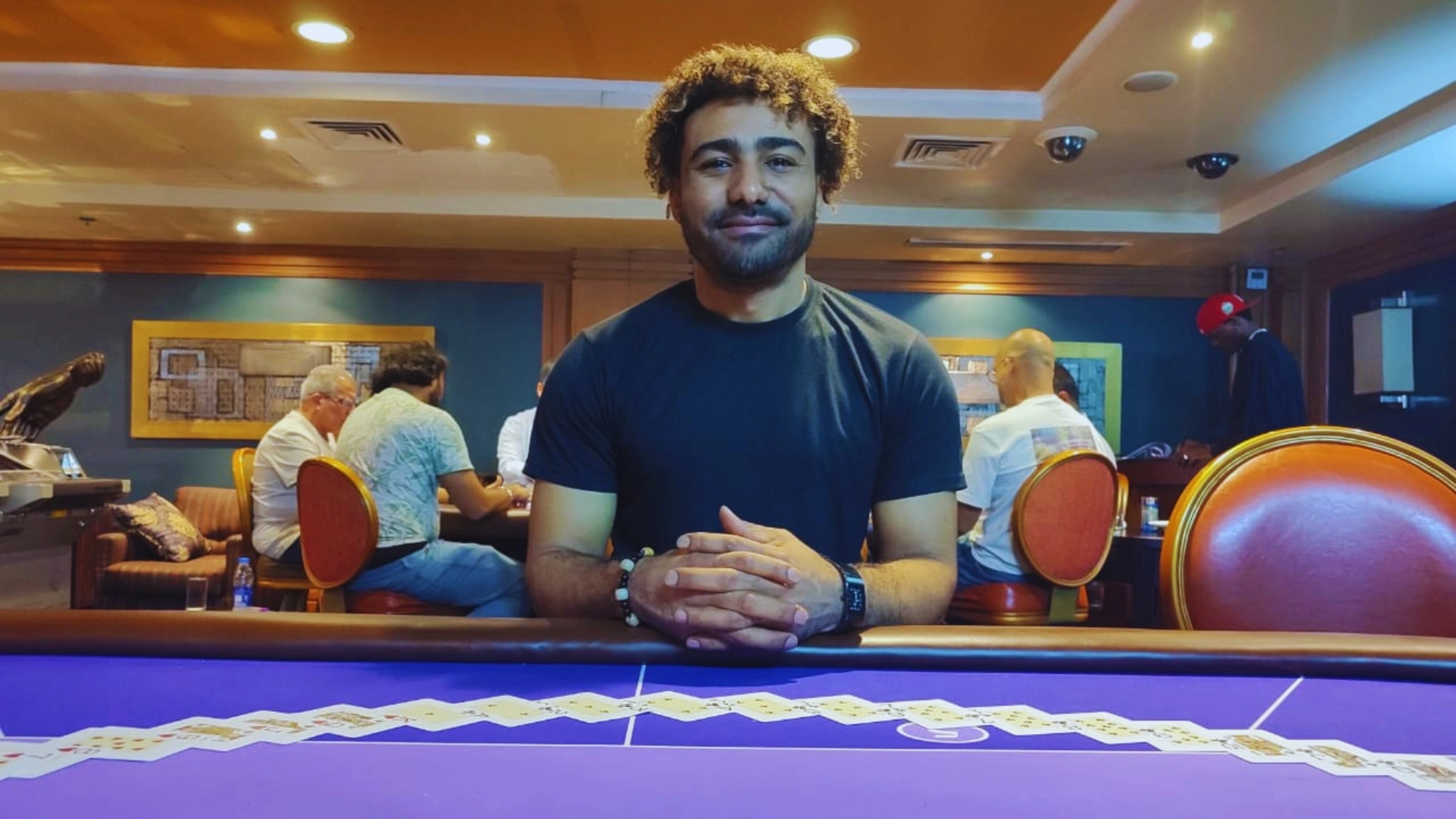
He recalls one particularly memorable hand, a dramatic contest in which a seemingly losing position turned into an unlikely victory on the final card. It was, by his own admission, as much about instinct and belief as it was about probability.
Yet, he is quick to emphasise that such moments, while thrilling, are not what define the game.
“The biggest lesson is knowing when to walk away,” he says, using a phrase made famous by Kenny Rogers’ iconic 1978 song ‘The Gambler’. “There are days when everything tells you to stay – your pride, your ego, the people around you. But the smartest move is to leave.”
It is a principle learned not from victory, but from loss, including a costly session that forced him to confront the limits of risk and the importance of restraint.
“You go through those experiences so you can learn,” he reflects. “Without them, you don’t grow.”
In that sense, poker mirrors life more closely than many would care to admit. It rewards discipline, punishes excess, and constantly tests the player’s ability to adapt.
For those willing to look beyond the surface, it is not merely a game of chance but a study in control. And, perhaps, a reflection of character itself.

