 Follow Us on Google News
 Follow Us on Google Discover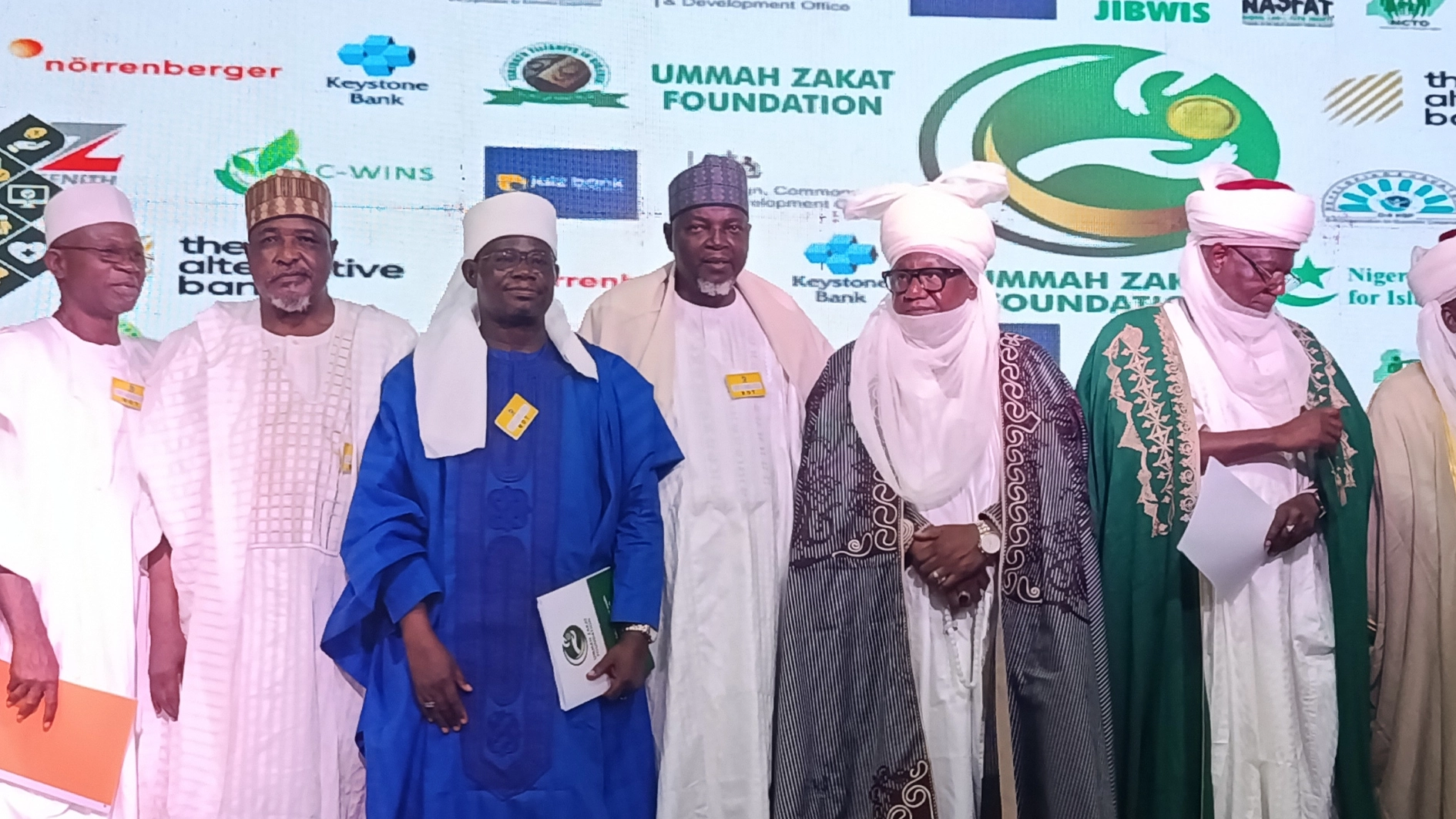
The Sultan of Sokoto, Alhaji Muhammad Sa’ad Abubakar and the Minister of Budget and Economic Planning, Abubakar Atiku Bagudu, have expressed support for the use of digital technology to strengthen Zakat administration and combat poverty across Nigeria.
They gave the endorsement on Thursday in Abuja during the inauguration of the Board of Trustees of the Ummah Zakat Foundation and the unveiling of the EazyZakat web and mobile platform, an initiative designed to simplify the collection and distribution of Zakat, Sadaqah and Waqf through a transparent digital system.
Represented by the Emir of Keffi, Dr. Shehu Usman Chindo-Yamusa III, the Sultan described Zakat as far more than an act of charity, saying it is one of the five pillars of Islam and a divine instrument for justice, compassion and equitable wealth distribution.
He said the establishment of the Foundation marks an important step towards aligning timeless Islamic principles with modern technology to improve service delivery and accountability.
“Through the EazyZakat web and mobile platform, Muslims can now fulfil this important obligation with greater ease, transparency and confidence that their Zakat will reach those truly entitled to receive it,” he said.
The Sultan charged members of the newly inaugurated Board of Trustees to uphold the principles of Sharia in all their decisions and ensure that Zakat funds are collected, managed and distributed with fairness and integrity.

He urged the Board to promote transparency, safeguard the Foundation’s assets, maintain proper records, embrace innovation and submit regular reports on its activities.
According to him, the Foundation has a responsibility to ensure that Zakat reaches widows, orphans, the poor, the sick and other vulnerable members of society.
“Technology must not take us away from our values. Rather, it should help us bring those values closer to the people who need them most,” he added.
The Sultan called on Muslims across the country to support the initiative, expressing optimism that it would strengthen confidence in Zakat administration and expand assistance to those in need.
On his part, Bagudu said poverty could only be sustainably addressed when local economies were empowered and people were given opportunities to earn decent livelihoods rather than becoming dependent on handouts.
Drawing from his experience as former governor of Kebbi State, he recounted how hundreds of women rice millers in Argungu struggled after the establishment of a large commercial rice mill, noting that the women simply wanted opportunities to work and support themselves.
“They wanted work, not free money. Their pride was not in waiting for somebody to give them free money. They simply wanted the local economy to work for them,” he said.
Bagudu said the situation was resolved through the intervention of the Emir of Argungu, stressing that community leadership often provides quicker and more effective solutions to local economic challenges than over-centralised structures.
“The people we are trying to help do not seek dependency. Let us ensure that we are not increasing their dependence but instead giving them the opportunity to become taxpayers—or, better still, Zakat payers—themselves,” he said.
The minister urged the Ummah Zakat Foundation to adopt a bottom-up approach by identifying successful community initiatives across Nigeria and drawing lessons from countries such as Indonesia and Türkiye.
Chairman of the Board of Trustees and Emir of Argungu, Samaila Muhammad Mera, described Zakat as a powerful instrument for promoting social justice, reducing poverty and strengthening community solidarity.
He said the Foundation was established to ensure the proper collection, management and distribution of Zakat, Sadaqah and Waqf in accordance with Islamic principles.
According to him, the EazyZakat platform would enable Muslims to calculate their Zakat, make secure donations and monitor how their contributions are utilised.
He assured that the Board would complement the technology with strong governance, Sharia compliance, beneficiary verification, financial oversight and regular reporting.
Global Director of the D-8 Health and Social Protection Programme and member of the Foundation’s Steering Committee, Ado Muhammad, said the initiative was designed to complement government efforts in addressing poverty and expanding social protection.
He noted that government alone could not provide all the welfare needs of citizens, particularly in healthcare, education and poverty alleviation.
Muhammad said the Foundation would leverage digital technology to enable Muslims across Nigeria and beyond to fulfil their religious obligations while supporting vulnerable people through Zakat, Sadaqah and Waqf.
According to him, the initiative would also contribute to universal health coverage, promote social inclusion and strengthen sustainable poverty reduction efforts through technology-driven Islamic philanthropy.

