 Follow Us on Google News
 Follow Us on Google Discover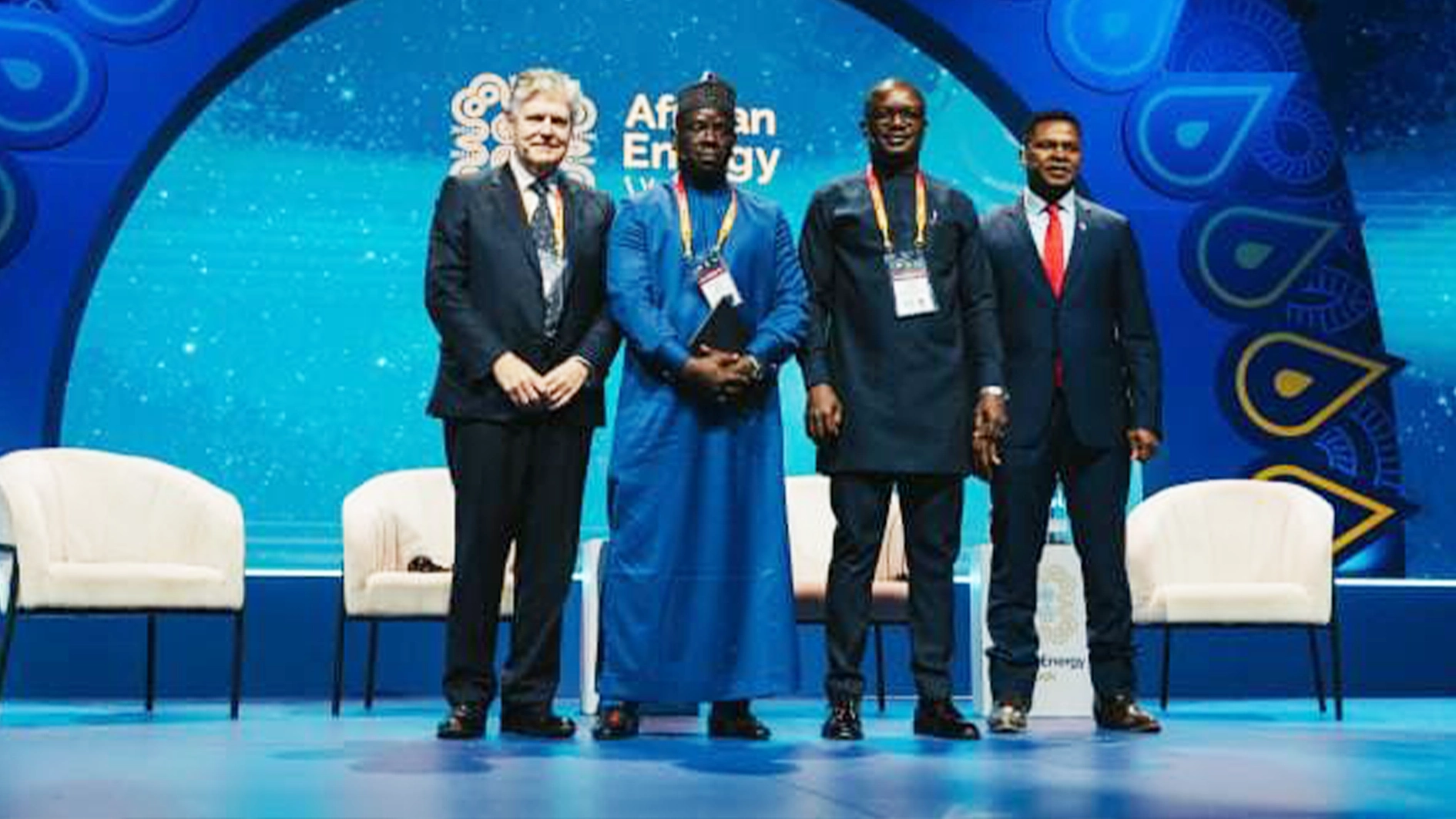
A scheduling clash between the 2026 WPC Energy Congress and African Energy Week is raising concerns that one of Africa’s most important energy gatherings could be overshadowed by a larger global event competing for the same ministers, investors and corporate executives.
The 25th WPC Energy Congress is scheduled for Riyadh, Saudi Arabia, from October 11 to 15, while African Energy Week will take place in Cape Town from October 12 to 16.
The near-complete overlap means senior government officials, national oil company executives, financiers and international operators with interests in both events may have to choose between Riyadh and Cape Town.
There is no public evidence that the WPC Congress was moved specifically to undermine African Energy Week. But the timing has fuelled criticism among some African industry stakeholders who see the clash as part of a wider struggle over control of the continent’s energy narrative.
More Than a Calendar Problem
African Energy Week has positioned itself as an African-led platform for investment, policy dialogue and project development. Its importance has grown as governments across the continent push for fresh investment in oil, gas, refining, electricity infrastructure and industrial development.
WPC Energy, meanwhile, operates on a much larger global scale, bringing together ministers, chief executives and energy companies from major producing and consuming countries. The concern is that Riyadh’s convening power could draw senior executives, international media and political attention away from Cape Town. That would make the clash more than a question of attendance.
For African governments, access to senior investors and corporate decision-makers can influence financing, licensing, project approvals and long-term capital commitments.
Africa Pushes for Greater Control
The controversy comes as African producers are demanding greater control over how their resources are developed and how the resulting value is retained.
Many governments argue that hydrocarbons remain essential to Africa’s development because large parts of the continent still face unreliable electricity, weak industrial capacity and dependence on imported refined products.

Their position is that Africa cannot be expected to follow the same energy-transition path as developed economies that already have mature infrastructure and deeper financial resources.
African Energy Week has become closely associated with that position, particularly the argument that oil and gas can support industrialisation, electricity generation and energy security while renewable energy expands. The scheduling dispute therefore feeds a wider concern that African priorities can still be displaced by institutions and decisions made outside the continent.
Angola’s OPEC Exit Still Resonates
That frustration is not new.Angola left OPEC in December 2023 after a dispute over production quotas, with officials arguing that continued membership no longer served the country’s interests.
The episode highlighted the tension between collective international energy structures and the domestic priorities of African producers seeking investment and higher production. For some industry stakeholders, the WPC-AEW clash carries similar symbolism.
The issue is not necessarily opposition to global institutions. African countries need international capital, markets, technology and partnerships. The concern is whether participation in those structures comes at the expense of African-led platforms.
Refining Strengthens Africa’s Argument
The growth of domestic refining has also strengthened calls for greater African control over the energy value chain.Nigeria’s Dangote refinery has become a prominent example of the continent’s push to process more of its crude at home instead of exporting raw materials and importing more expensive petroleum products.The wider ambition extends to gas processing, petrochemicals, pipelines, power generation and regional energy trade.
African governments increasingly want investment that produces not only export revenues but also jobs, electricity, industrial capacity and foreign-exchange savings.That makes forums such as AEW strategically important because they bring governments, financiers and operators together around African projects. If senior decision-makers are diverted elsewhere, the impact could go beyond conference visibility.
Nigeria’s Position Draws Attention
Questions have also emerged over reports that Nigeria may be given a prominent role at the WPC Congress. No authoritative public confirmation establishes that Nigeria has been appointed co-chair of the entire congress, and that distinction remains important. But Nigeria’s participation will still be closely watched.
As one of Africa’s largest petroleum producers and its biggest refining market, the country carries significant weight in discussions around gas development, local content, refining and regional energy trade.Any perception that major African producers are being drawn away from Cape Town could deepen concerns about fragmentation within the continent’s energy agenda.
AEW Faces an Important Test
The October clash will ultimately test the strength of African Energy Week. If Cape Town retains strong participation from ministers, national oil companies, investors and international operators despite the competition from Riyadh, it would demonstrate that AEW has become difficult to ignore.
If senior attendance weakens, critics may argue that African-led institutions remain vulnerable whenever they compete directly with older and better-resourced global platforms. AEW will therefore need to prove its relevance through outcomes: investment commitments, project announcements, policy agreements and commercial partnerships.
WPC Energy also faces questions over whether a truly inclusive global energy system can coexist with strong regional platforms rather than compete with them.The wider issue is no longer simply where executives spend five days in October.
It is whether Africa can build institutions powerful enough to shape decisions about its own resources, attract capital on its own terms and maintain a coherent voice in a global energy system still dominated by more established centres of influence. The clash between Riyadh and Cape Town may have begun as a scheduling issue. It is increasingly looking like a test of Africa’s place in the global energy order.

