GDN SIDEBAR
NEED TO KNOW
- Taaooma rose to fame in 2019 after her comedy skit about African parents taking their children to school went viral.
- She has built a distinctive comedy career by playing several characters in her skits, including her famous portrayal of a strict African mother.
- Beyond comedy, she is a content creator and cinematographer who also directs projects at The Greenade Company.
- She expanded her creative career into entrepreneurship by establishing Chop Tao, a food company.
- In 2020, she was shortlisted for The Guardian’s 100 Most Inspiring Women in Nigeria and has received honours including the Gage Award and JCI TOYP Award.

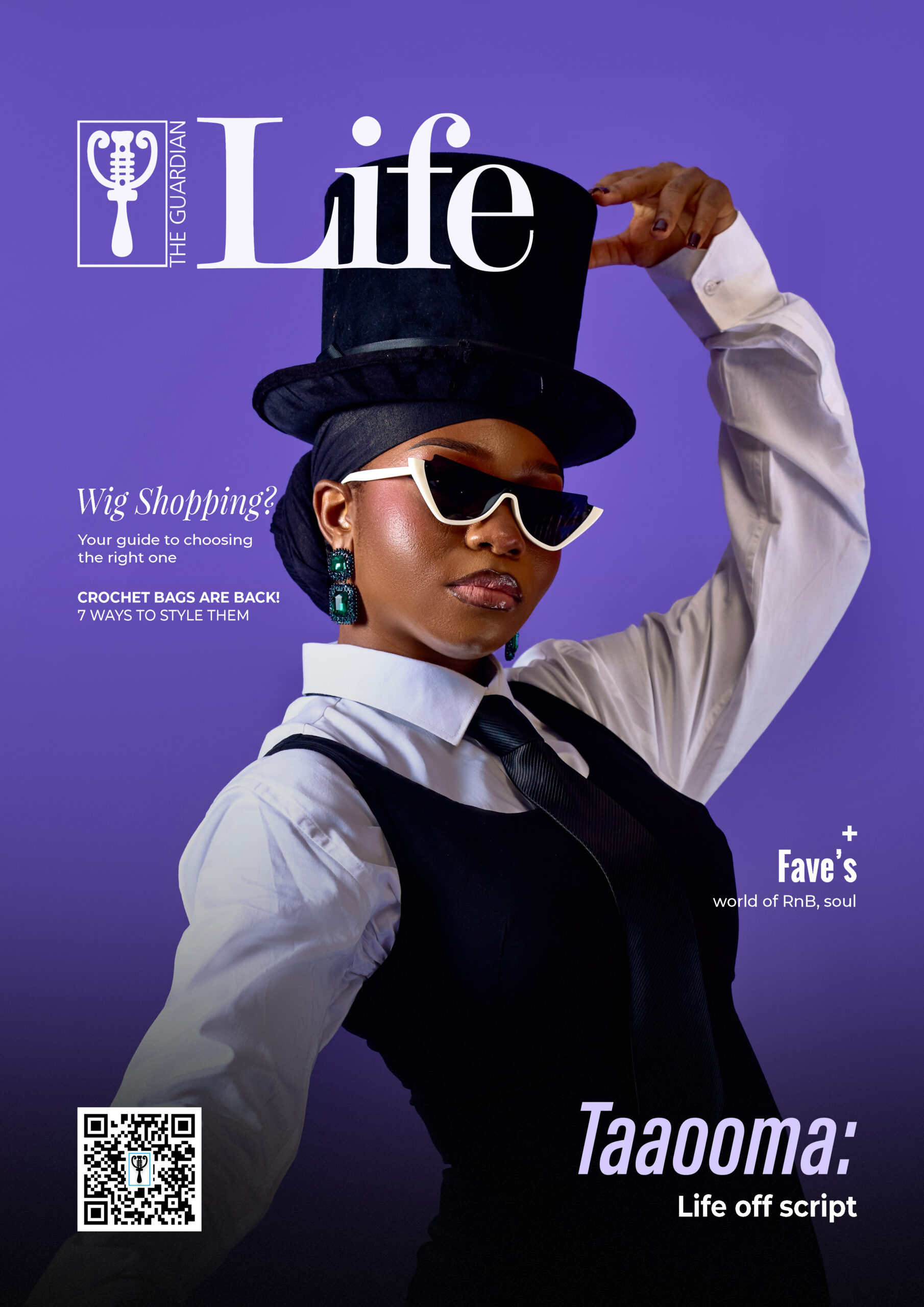
Maryam Apaokagi has spent years making people laugh through characters drawn from everyday Nigerian life. Behind Taaooma’s many personalities is a woman shaped by family, faith, creativity and motherhood.
Since her breakthrough in 2019, Taaooma has grown from a young cinematography enthusiast into one of Africa’s most recognisable content creators. Now a mother and an emerging filmmaker, she values time differently as she builds a career beyond comedy.
Speaking exclusively with Guardian Life, Taaooma discusses growing up in the family, finding fame unexpectedly and staying true to her values. She also shares the difficult truth about making money from content and why filmmaking remains her bigger dream.
Behind the characters
Taaooma’s audience is hardly ever one person. She can become a strict African mother, an overwhelmed father, a stubborn daughter or a troublesome neighbourhood child within the same video. A change of clothes, voice and posture is sometimes all it takes.
Away from the costumes and characters, however, Taaooma is different from what some people expect. “I am a talkative person, especially when I become comfortable around someone,” she said.

Her quietness around strangers has sometimes been misunderstood. “If I am not comfortable with you, I probably will not say a word, and you may think I am proud. That is not the case. I simply do not know you yet.”
Once she feels at ease, the silence disappears. “When you get to know me, I talk so much that you may eventually ask me to keep quiet,” she added.
She describes herself in three words: “God-fearing, creative and visionary.”

Her mother’s handbag
Taaooma was born into a Muslim family from Kwara State and began her education in Nigeria.
Her life later changed when her mother joined Nigeria’s diplomatic mission to Namibia. As the only child below 18 at the time, Taaooma moved with her.
“I was like my mother’s handbag because I went everywhere with her,” she recalled.
Being the youngest child came with its privileges. “Childhood was fun because I am the lastborn. I enjoyed all the baby-of-the-house privileges.”
She later returned to Nigeria and studied Tourism and Travel Services Management at Kwara State University.
The close relationship with her mother would eventually shape the comedy character that introduced Taaooma to millions of viewers.
“I am my mother’s last child, and I grew up around her. I have always found the behaviour of the typical African mother interesting,” she said.
The strict African mother in her videos is not a portrait of one person. She is a collection of familiar habits found across many homes.
“I wanted to create content that people could watch and immediately say, ‘This is my mum.’”
The idea worked because audiences did not need an explanation. They already knew the character.
How editing created a comedian
Comedy was not Taaooma’s original dream. She wanted to learn cinematography and needed videos she could use to practise editing. With no actors or elaborate production, she turned the camera on herself.
“I started recording myself, editing the videos and posting them to receive feedback on my editing skills,” she said. But viewers noticed something else.
Instead of focusing only on the editing, they praised her acting and found the videos funny.
“People ended up commenting on the acting. Over time, I noticed that they enjoyed what I was creating.”
The reaction gave her a reason to keep going. Every video became an opportunity to improve behind the camera while becoming more comfortable in front of it.
“I could improve my editing while creating something people wanted to watch. I decided to continue, and here we are today.”
Skit she almost refused to shoot
Taaooma began creating comedy videos in 2015. Four years later, one ordinary skit changed the direction of her career.
The video followed an African mother taking her child to school before discovering that the child had forgotten a lunchbox.
It became her breakthrough, but she almost did not make it. “I did not want to shoot it, but my husband insisted that I should do it before returning to school,” she recalled.
She eventually recorded and edited it. Then she posted it and moved on with her day.
“I was not expecting anything. I posted it and forgot about it.”
The internet connection in Ilorin was unreliable at the time, so she could not stay online to monitor the response.
A phone call later changed that. “Someone called and asked if I had checked Instagram. When I checked, I saw about 100 or 200 comments. That was huge for me then.”
The video had travelled beyond her existing audience. People recognised their mothers, childhoods and family experiences in the story.
“From that point, almost every video I released became a hit,” she said.
Nigeria is her writers’ room
Taaooma does not need to travel far to find a story. Nigerian life offers enough material.
“I could be driving and see something relatable happening on the road,” she said.
She pays attention to how people speak, move and react to situations. “I watch people and bring different traits together to create a character. I may notice someone with a funny way of speaking and build something around that quality. I have created so many characters that I sometimes forget some of the people I have played,” she admitted.

Becoming four people in one video
Each skit begins with a simple idea. Taaooma develops the story, writes the script and decides which characters will carry it. Then the clothes come out.
“If I have to play four characters, I prepare their outfits,” she said.
The costume helps her switch personalities. “Once I wear a character’s outfit, I naturally step into that role because I already know how that person is supposed to behave.”
What now looks effortless took years of practice. “It takes time. It is not something you can easily do at first, but it becomes more natural when you understand the characters and your craft.”
Her success with Mama Taaoo and other familiar personalities has not left her feeling trapped. “I do not feel trapped at all,” she insisted.
Motherhood and the new value of time
Motherhood changed something Taaooma once took for granted: time.
“I see time differently now. I cherish it much more,” she said. Before becoming a mother, she could move through her day without closely watching the clock. That freedom has changed.
“Now, I am more conscious of time because it is of the essence.” Her daughter also decides how much work gets done on some days.
Editing, however, remains part of her daily life. “I have edited my videos myself for about 10 years,” she said.
Although she now has a team, she still reviews every finished video.
“Even when someone else handles the edit, I need to ensure it communicates the story in the way I imagined.”
Faith without performance
Taaooma’s Muslim identity has remained part of her public life. Her decision to cover her hair was not designed as a marketing strategy or signature look.
“Covering my hair is simply part of who I am,” she said. “Nobody asked me to do it. I made that decision myself.”
Maintaining personal values in entertainment can reduce certain choices, but she believes authenticity eventually attracts the right people.
“It may be slow and difficult, but you will eventually find people who appreciate what you represent.”
Her manager handles most conversations with brands, so unsuitable offers may never reach her.
The deals she personally rejects are often declined because the deadline is too short or she is unavailable.
Faith remains the foundation beneath the work.
The truth about content creation
For young people watching successful creators online, content creation can look like a quick path to money. Taaooma’s advice is blunt. “Get another job.
“Content creation will not always pay. That is a fact. If you do not have another source of income, you may eventually quit. You need money to create content,” she said.

Consistency is not daily posting
Taaooma credits consistency with sustaining her career, but she rejects the idea that creators must post every day.
“Consistency does not mean posting every day for one week and disappearing the following week,” she said.
Posting twice weekly for six months is more useful than publishing seven videos in one week and vanishing afterwards.
“If you choose Monday and Friday, and people see you every Monday and Friday, that is consistency.”
A realistic schedule protects the creator while helping the audience know when to expect new work.
“You should choose a schedule that does not hurt or overwhelm you,” she added.