GDN SIDEBAR
Olayinka Kabir Odunbaku resigned from his job in Nigeria and moved to Kenya to keep his family together. Years later, his wife, Dr Omoayena Rosemary Odunbaku, applied for unpaid leave to reunite with their family in Nigeria. Both describe those decisions as part of the adjustments their marriage has required.
Married for 14 years and parents to three children, the couple have balanced careers with changing responsibilities at home. Omoayena’s professional background spans university teaching, research and development work with UN-Habitat, while Yinka has worked in finance and built businesses. Each has taken on more at home when the other’s work demanded it.
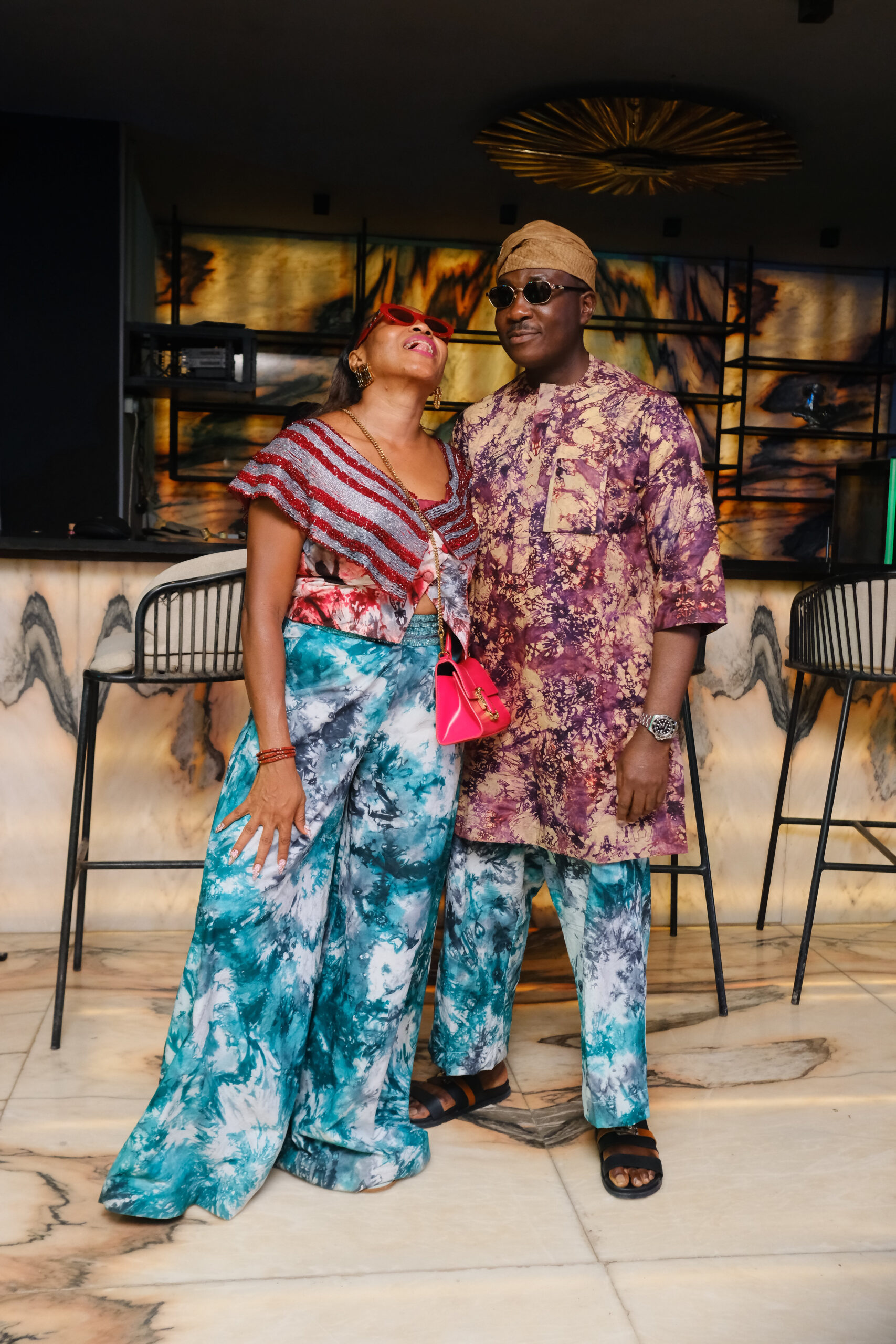
Their friendship began before marriage and remains central to their relationship. They enjoy travelling, watching films and teasing each other, although they disagree over who apologises first. Having both recently celebrated turning 45, they want more time for family and each other.
Speaking with Guardian Life, Omoayena and Yinka discuss the friendship behind their marriage, supporting each other’s ambitions, raising three children and the choices that have kept them together.
You have been married for 14 years. What do you think has kept you in love while growing as individuals?
Omoayena: Friendship. We were friends before we became a couple, so beneath the marriage, children, work, and everything life has brought, that friendship has remained. Yinka knows the real Omo, not only the public or professional version, and there is comfort in being fully known.

We have also allowed each other to grow. The woman he married 14 years ago has evolved, and so has he. We haven’t always grown at the same pace or in the same direction, but we have continued to find our way back to each other.
Yinka: I think it is friendship, loyalty, and the decision to keep choosing each other. Love changes over time. It becomes less about excitement alone and more about trust, sacrifice, and knowing that this person is genuinely on your side.
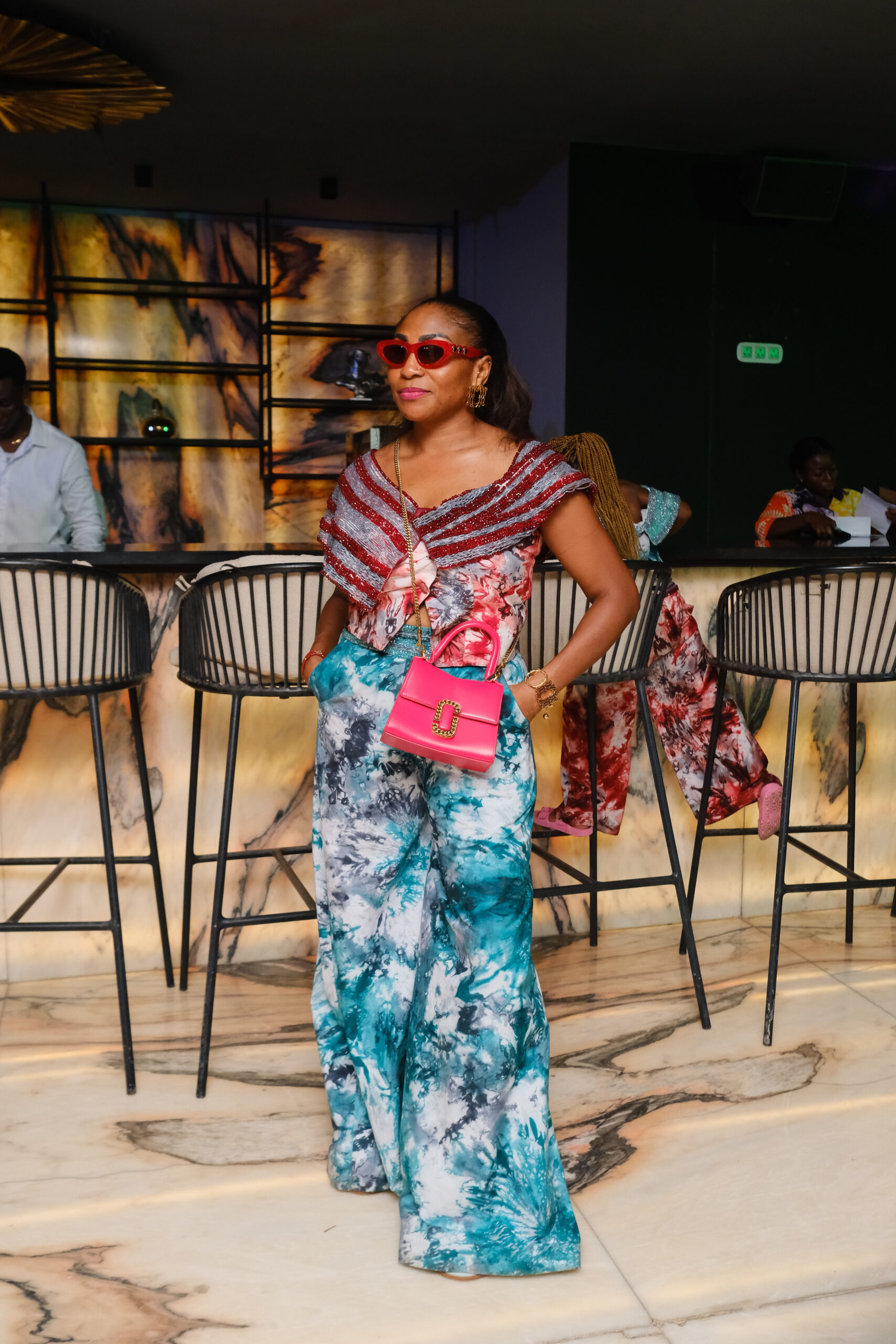
Omoayena, what was it about Yinka that made you think, “This is the man I want to spend my life with”?
He knew me inside out. We had been friends for a long time, and he had seen me through other relationships, disappointments, and all my emotional drama. I didn’t have to package myself for him.
There was a period when I travelled to the UK feeling uncertain about our relationship. By the time I returned, I knew where my heart was. I realised that what I was looking for was already present in a trustworthy friend who understood me.
He was also not intimidated by my ambition. Over the years, he has given me room to grow, even when that growth demanded difficult decisions from both of us. That mattered to me then, and it matters even more now.
Yinka, what first attracted you to Omoayena, and what keeps attracting you to her today?
Her confidence and energy attracted me first. Omoh has always had a strong presence. She is intelligent, expressive, and very difficult to ignore. But beneath all that confidence is a genuinely caring, kind, and generous person.
What continues to attract me is her passion for her family and the people she loves. When she believes in someone, she supports them fully. She is also always evolving. There is never a dull moment because she is constantly thinking, planning, or dreaming about something new.
She still has the same energy that first drew me to her, but today I understand the softer and more vulnerable woman behind it much better.
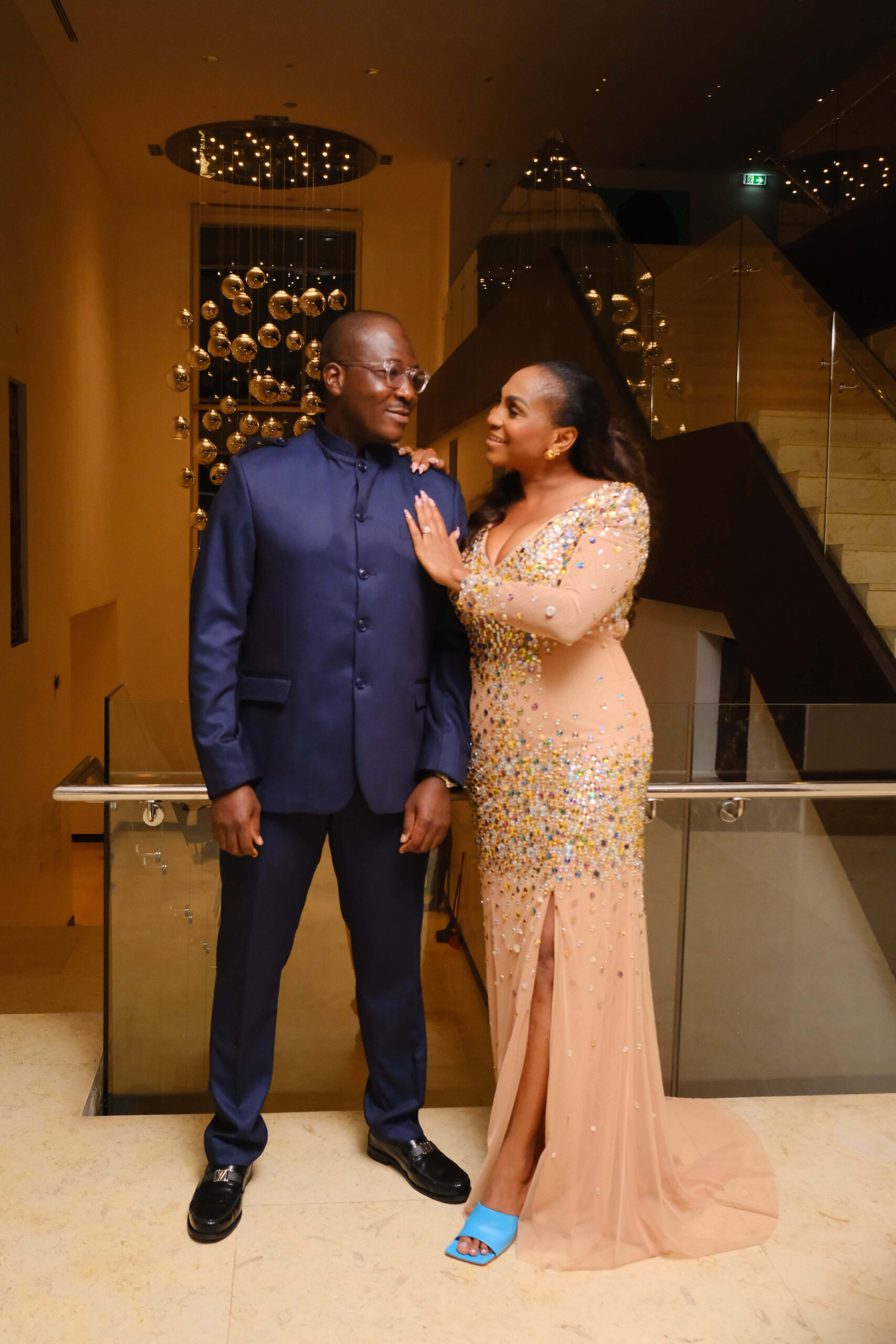
Has your relationship become more about companionship and friendship as the years have passed? What do you enjoy doing together when it is just the two of you?
Omoayena: Absolutely. Companionship has become one of the best parts of our marriage. We enjoy travelling, eating out, watching films and simply staying in each other’s space.
Sometimes the best moments are not the grand ones. It may just be the two of us in the car, sharing stories about our day and laughing about something only we understand. Alhaji’s humour is very unassuming, and we are like Tom and Jerry, always teasing and sparring. Perhaps that has strengthened our bond. We are ride-or-die, literally until death do us part.
Yinka: We genuinely enjoy each other’s company. We can attend an elaborate event together, but we can also sit quietly, eat good food, and talk. After 14 years, there is something special about being with someone who already understands the background to the story before you begin telling it.
What is one thing your partner does that still makes you laugh, and what is one thing they do that occasionally drives you crazy?
Omoayena: Yinka has a very subtle sense of humour and a good smile. What drives me crazy is that he can become very quiet when I want an immediate answer. I want us to discuss everything there and then; he may decide he needs time to process it.
Yinka: Omoh’s storytelling makes me laugh. A simple story can become a full production, complete with characters, commentary, and sound effects. What drives me crazy is that she can turn a small idea into a major project before anyone has had time to catch up. Once she is excited, everybody becomes involved!
After 14 years, do you still deliberately date each other? What does a perfect date night look like for you now?
Omoayena: Yes, although we could be more deliberate about it. A perfect date now is less about impressing each other and more about reconnecting. Good food, somewhere beautiful, no rushing, and a conversation that is not dominated by work or the children—that is perfect for me.
Yinka: I agree. It doesn’t always have to be elaborate. Sometimes dinner or a quiet weekend away is enough. The important thing is that we are present with each other and not distracted by everything else demanding our attention. Let me add that shopping in her favourite stores with my cards in hand is also an excellent date for my wife!
Omoayena, what is something about Yinka that you understand much better today than you did when you first got married?
I understand his quietness much better. When we first got married, I sometimes interpreted his silence as disinterest or stubbornness. I am expressive and want to talk through things immediately, while he often needs time to process his thoughts. I have also come to understand that he expresses love more through actions than words. This is a man who resigned from his job and relocated to Kenya so our family could be together. He has made sacrifices without turning them into speeches. I may still want the speech occasionally, of course! But I now recognise the depth of what he communicates through the things he does.
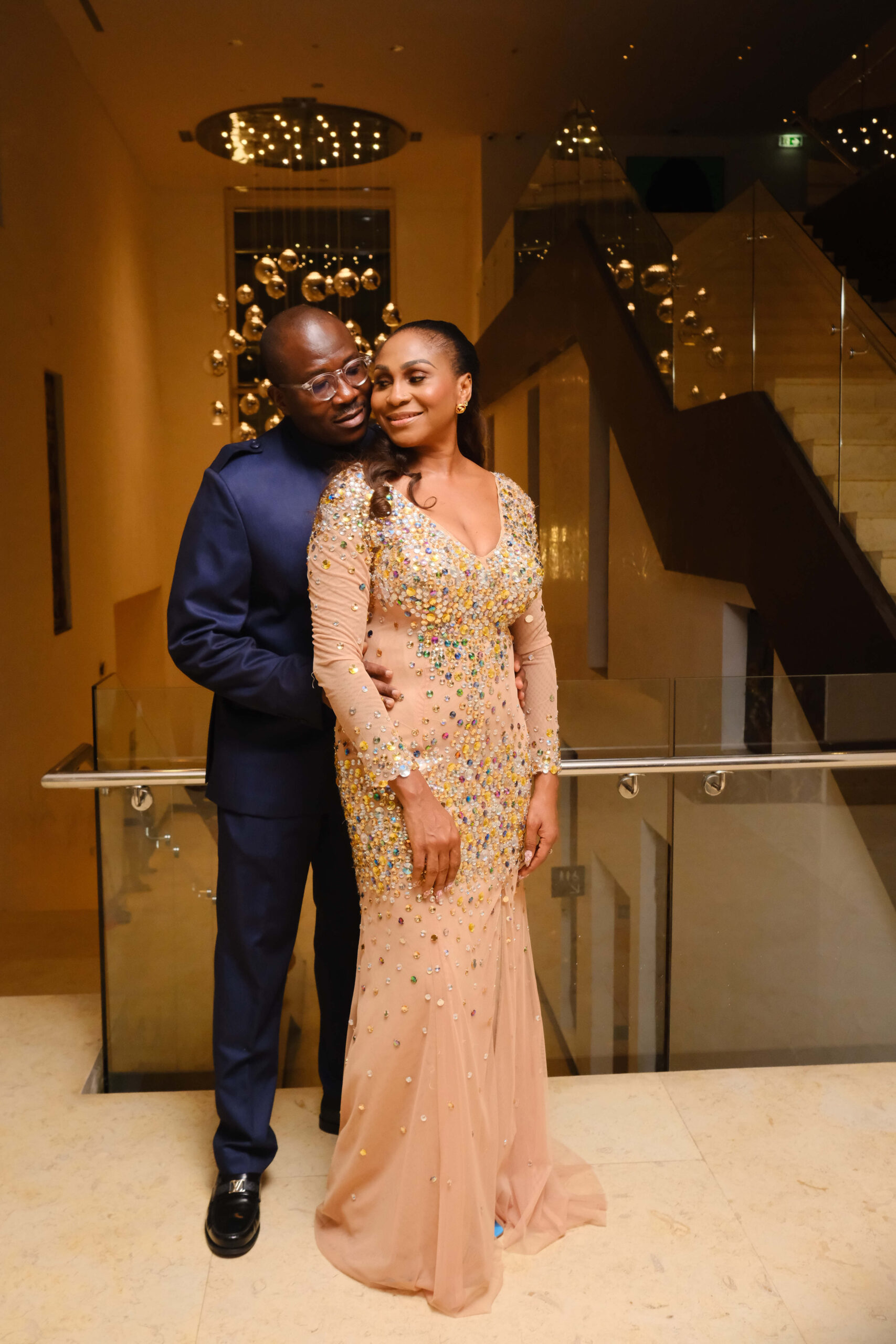
Yinka, what has marriage taught you about Omoayena that you could never have learnt while dating her?
Marriage showed me how much she carries. Omoh can appear extremely strong, and because she is capable, people assume she can handle everything. Living with her taught me that the strong woman also needs somewhere safe to be vulnerable. I also discovered the depth of her commitment to family. She gives a lot of herself to the people she loves and takes her responsibilities seriously, even when she is tired. Dating showed me the fun, intelligent, and ambitious woman. Marriage showed me her resilience, softness, and the effort behind everything she achieves.
If you had to describe your partner in three words, what would they be, and would your partner agree with your choices?
Omoayena: Dependable, intelligent and God-fearing. Would he agree? Definitely or at least I assume so!
Yinka: Brilliant, kind and unstoppable. She will agree with all three and probably suggest a few more I should have included.
Who is more romantic, who is more stubborn, who is more likely to apologise first, and who usually wins an argument?
Omoayena: I am probably the more openly romantic one, but Yinka is romantic through his actions. He proposed during a birthday dinner when I thought we were simply celebrating him, and he has made some very significant sacrifices for our family. We are both stubborn, although he will nominate me without hesitation. He will tell you that he apologises first because he values peace. I strongly disagree! He hardly apologises at all; he becomes quiet and waits for peace to return. As for who wins an argument, the person with the better case, and that is usually him. He should have been a lawyer; he would never lose a case.
Yinka: She is more expressive with romance; I am more practical. She is also more stubborn. I am probably more likely to apologise first because somebody has to restore peace. Who wins? Let us say we both know when it is time to move on.
You have demanding professional lives and three children. How do you divide responsibilities at home, and what does “work-life balance” really look like for your family?
Omoayena: We have never divided our responsibilities according to rigid roles. We look at what the family needs and who is best placed to handle it at that particular time. When our first child was a baby, and I was commuting to UNILAG, Yinka handled much of the morning routine and childcare. As our family grew and our careers changed, the arrangements changed too. Sometimes he carried more; at other times, I did. I don’t believe work-life balance means giving everything equal attention every day. Some seasons are more demanding than others. What matters is communicating, recognising when your partner is overwhelmed and being willing to step in without keeping score.
Yinka: We work as a team, but that does not mean everything is divided equally every day. Our responsibilities have changed with each stage of our marriage, the children’s needs and the demands of our careers. There have been periods when Omoh’s work required more of her time, and I had to take on more at home. There have also been times when she carried more so I could focus on other responsibilities. For me, work-life balance is not about achieving a perfect 50–50 split. It is about ensuring that the family is cared for, communicating when something is no longer working, and stepping in for each other without keeping score.
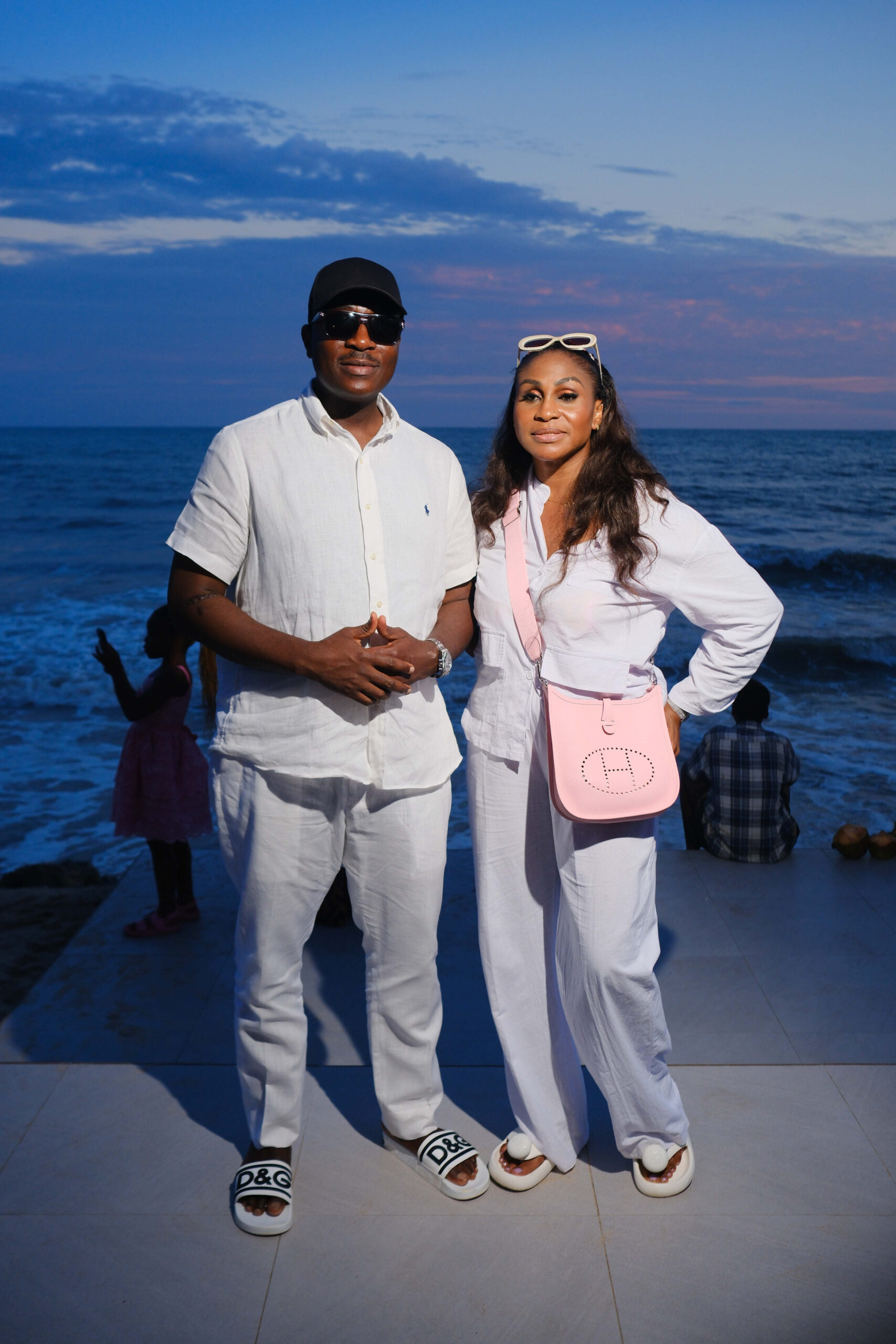
Omoayena, has there ever been a point when your career became so demanding that you had to make more room for your marriage and family consciously?
Omoayena: Yes. The clearest example came when our family began resettling in Nigeria. Yinka relocated to Nigeria in 2022. In 2023, Omogbolabo began homeschooling in Lagos in preparation for his secondary-school entrance examinations; Dolapo gained admission to St Saviour’s School, Ikoyi, and Maryam also decided not to return to Nairobi with me. At that point, I knew I had lost the battle!
I returned alone to our home in Runda. It was a large house that had once been full of family life, and suddenly the silence felt overwhelming. I had experienced separation before, but this time our family had grown, and we had created almost a decade of unforgettable memories in a city we all called home. After trying for some time to make the arrangement work, the decision became inevitable: I applied for a leave of absence without pay and returned to my family.
It made me confront an important truth: professional fulfilment cannot compensate for prolonged absence from the people I love. My family is my anchor. I still want to do meaningful work, but I no longer want every other part of my life to exist around my career.
Yinka: When I relocated to Nigeria in 2022, we knew it would require another adjustment, but we did not immediately realise how quickly the centre of our family life would shift to Lagos. I understood how difficult the loneliness in Nairobi must have been for Omoh. Years earlier, when she first moved to Nairobi for her UN appointment, I had remained in Nigeria before eventually leaving my job and relocating to Kenya so we could be together. This time, our positions were reversed.
When she decided to apply for leave of absence without pay and return to the family, I understood the weight of that decision. She was not abandoning her ambition; she was deciding that our family could no longer continue living across two countries. That experience reminded me that sacrifice in a marriage should not come from only one person. There are seasons when one partner has to make room for the other, and seasons when the family itself has to come first.
Yinka: What does supporting a wife with an ambitious career look like from your perspective?
It begins with not treating her ambition as a threat or a competition. Her success is part of our family’s success. Support also has to be practical. It may mean taking on more responsibility at home, caring for the children, travelling between countries or making a difficult professional decision for the sake of the family.
It does not mean agreeing with every decision. It means having honest conversations, helping her think through the consequences, and reminding her that she does not have to carry everything alone. I have always known that Omoh is capable of significant things. My role is not to reduce her light but to help ensure that, as she shines, our family remains strong.
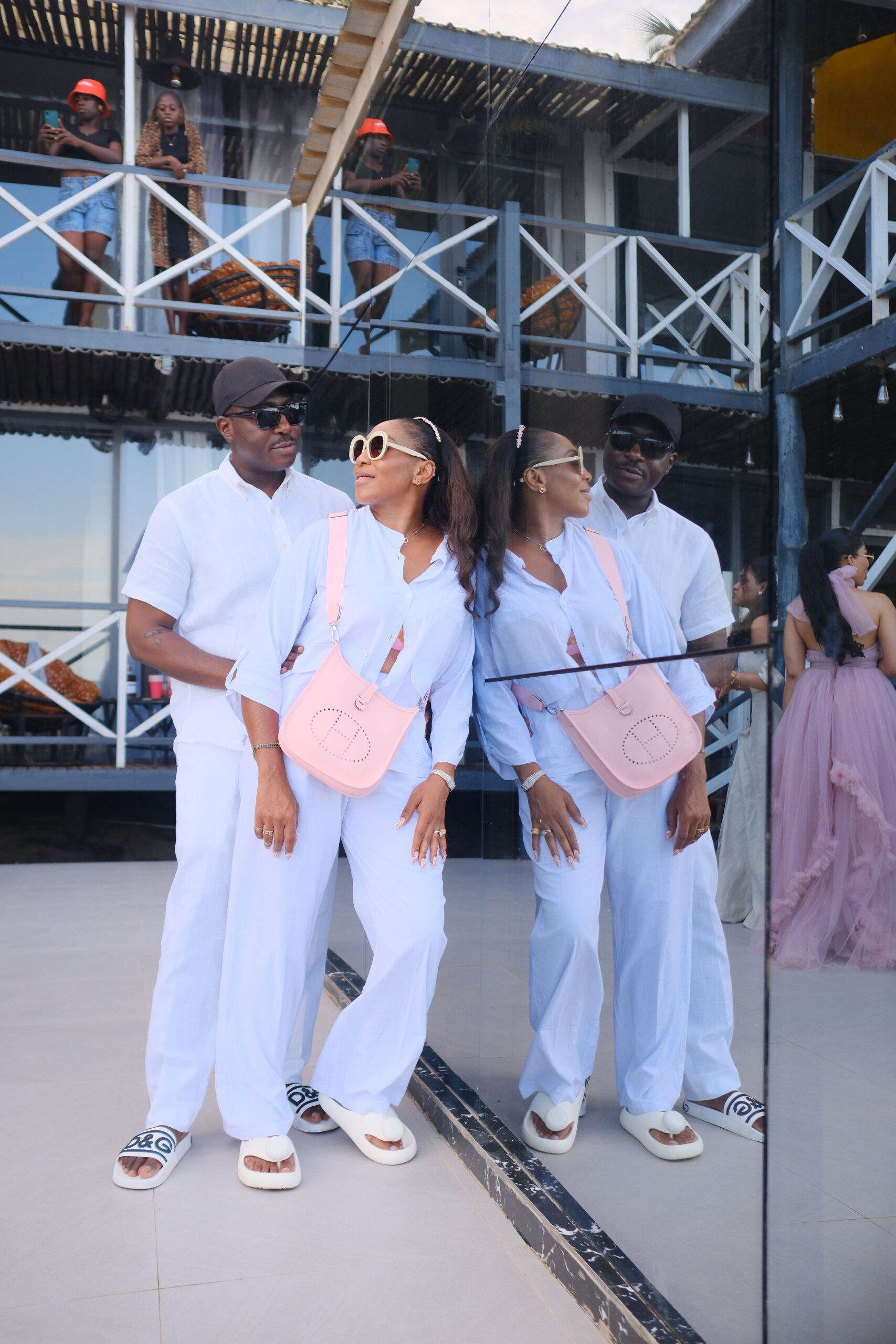
How do you protect your relationship from becoming only about work, parenting, bills and responsibilities?
Omoayena: We talk about things beyond logistics. We travel, celebrate milestones, attend events together and make time for our friendships. We try to remember the two young people who enjoyed going to the cinema, shopping, eating out and spending hours on the phone. We are not always perfect at it. Life gets busy, and sometimes you suddenly realise that every conversation has become about a child, a schedule or something that needs to be paid for. That is usually a sign that we need to pause and reconnect.
Yinka: We also give each other room to remain individuals. Marriage should not erase the interests and friendships that make each person who they are. When both people remain fulfilled, they bring more life back into the relationship.
What have your three children taught you about yourselves as a couple?
Omoayena: They have taught us that our offspring are a mirror of us. They carry the same genes; I understood my husband better by studying my children. Love can expand in ways you never imagined. They have also shown us that children from the same parents can be completely different, so parenting cannot be one-size-fits-all. They have tested our patience, exposed our different approaches, and forced us to communicate more clearly. Most importantly, they have given us a shared purpose that is bigger than either of us.
Yinka: They have taught us teamwork and humility. Children do not care about your title or how important your meeting was. They need you to be present. They have also made us more conscious of the example we set through the way we speak to and support each other.
You both recently turned 45 and marked the milestone with destination birthdays. Why was it important to celebrate this particular chapter in such a special way?
Omoayena: Forty-five felt deeply personal. It was not simply about age; it was about gratitude, survival, and the life I have been fortunate to build. I wanted to celebrate surrounded by love. The South of France experience became soul food for me. Many of the women present had been my friends for more than two decades, and then Alhaji surprised me with some of his friends. It became a beautiful gathering of people who had witnessed different chapters of our lives.Omoayena Odunbaku
Yinka: We have spent many years working, raising children, and meeting responsibilities. Turning 45 gave us permission to pause and acknowledge how far we had come. The destination celebrations were not only about luxury; they were about creating memories with the people who have been part of our journey.
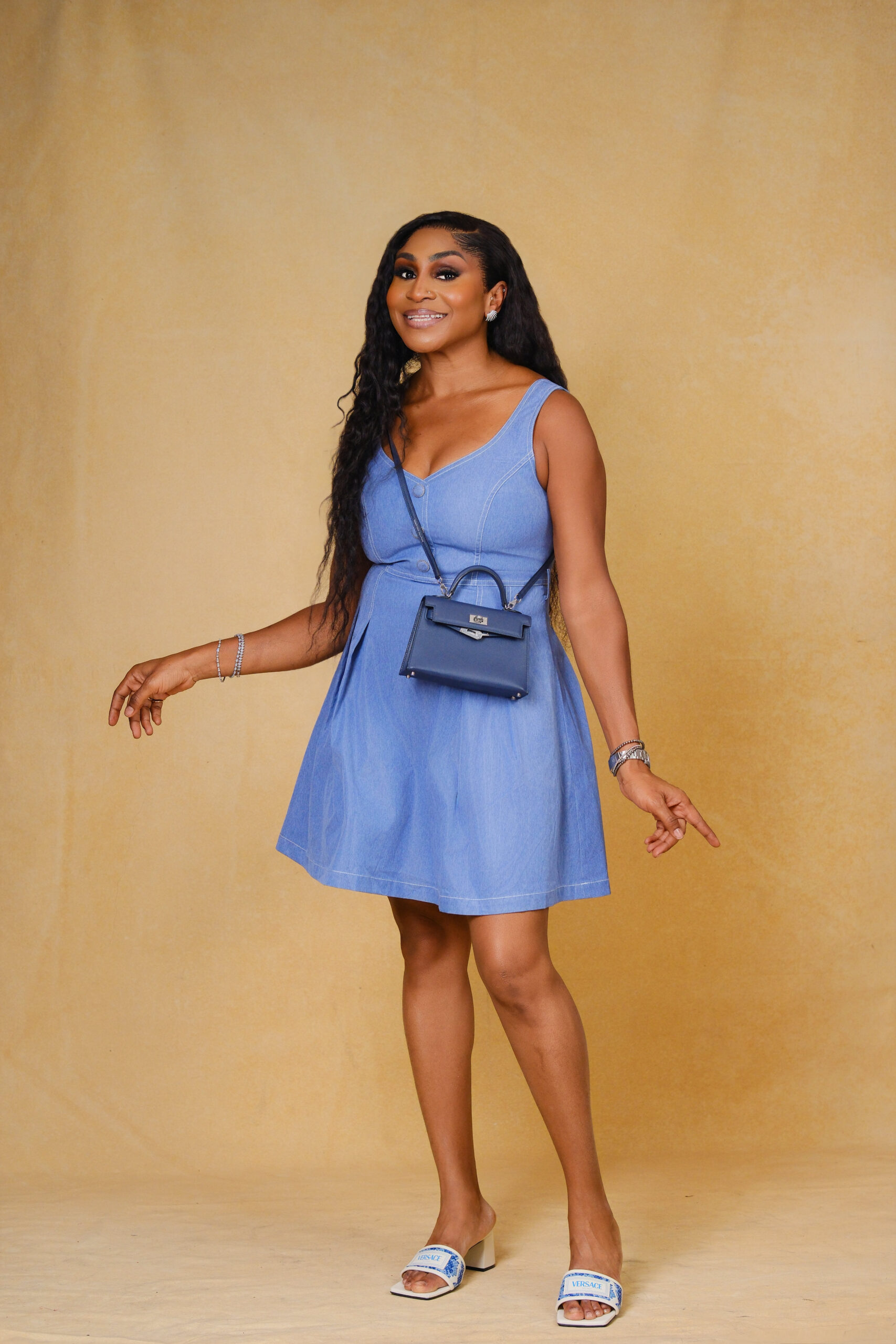
Omoayena, what did turning 45 make you reflect on about the woman you have become personally, professionally, and as a wife and mother?
It made me realise that I no longer need to prove that I can work hard or achieve difficult things. I have done that. The question now is: what kind of life do I want those achievements to support? At 40, I wrote ‘OMOH’, a book about my own journey. At 45, I authored the stories of 20 exceptional women. That shift reflects where I am now: creating tables, making room for other women and being deliberate about my next chapter.
I am proud of the professional I have become, but I am equally proud of being a wife, mother, sister, and friend. I now understand that my family is my anchor, my health matters, and love is a virtue. The next chapter has to honour all of me, not only my professional identity.
Yinka, what did turning 45 make you reflect on about the man you have become and the life you have built together?
It made me grateful. At 45, you are old enough to understand that life does not always follow the plan, but still young enough to make meaningful changes. I reflected on becoming a husband and father, the professional decisions I have made, and the different seasons our family has experienced. We have lived through distance, relocations, career changes, raising three children, and losing people we loved. I am proud of what we have built, but I also know that a family is never a completed project. The next stage requires even more presence, patience, and attention to our health and relationships.
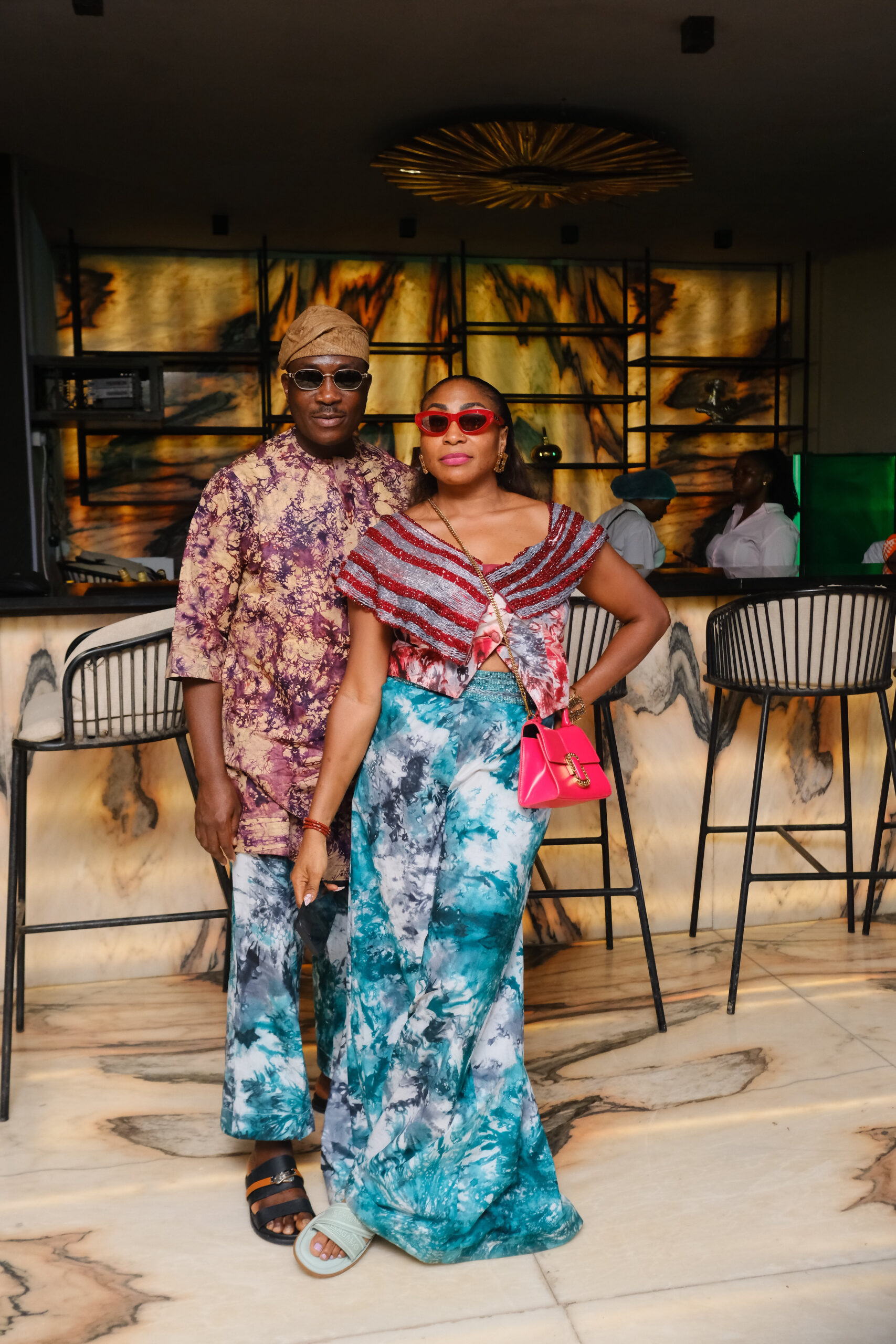
There is something special about reaching 45 alongside someone with whom you have shared 14 years of marriage. Did the milestone change the way you see your journey as a couple?
Omoayena: It made me appreciate the journey more. When you are living through the demanding years, you are often focused on solving the next problem. At 45, we had the opportunity to look back and recognise how many versions of ourselves have travelled together. I have reaffirmed that love is a virtue. It is not only a feeling; it is patience, sacrifice, forgiveness, friendship and the willingness to keep showing up.
Yinka: It reminded us that we have built a history together. We have seen each other succeed, struggle, change, and recover. The milestone did not make us feel that we had arrived. It made us more intentional about how we want to spend the years ahead.
If 45 is the beginning of a new chapter, what do you want this next chapter of your marriage and family life to look like?
Omoayena: I want it to be anchored in family. I want us to support the family business while ensuring that every member of our family has the opportunity to optimise their potential. I want us to build stronger, lasting bonds and create more time for one another. I also want more peace, good health, adventure, laughter, and deliberate living. I want ambition to remain part of our lives, but not at the expense of ourselves or our relationships.
Yinka: I want the next chapter to be about consolidation, strengthening what we have built, supporting our children as they grow, and enjoying the rewards of the work we have done. We want to remain partners and friends, not only parents or people managing a household. There will still be goals and responsibilities, but there should also be time to travel, celebrate, rest, and enjoy each other. We have built the foundation; now we want to live fully within it.