 Follow Us on Google News
 Follow Us on Google Discover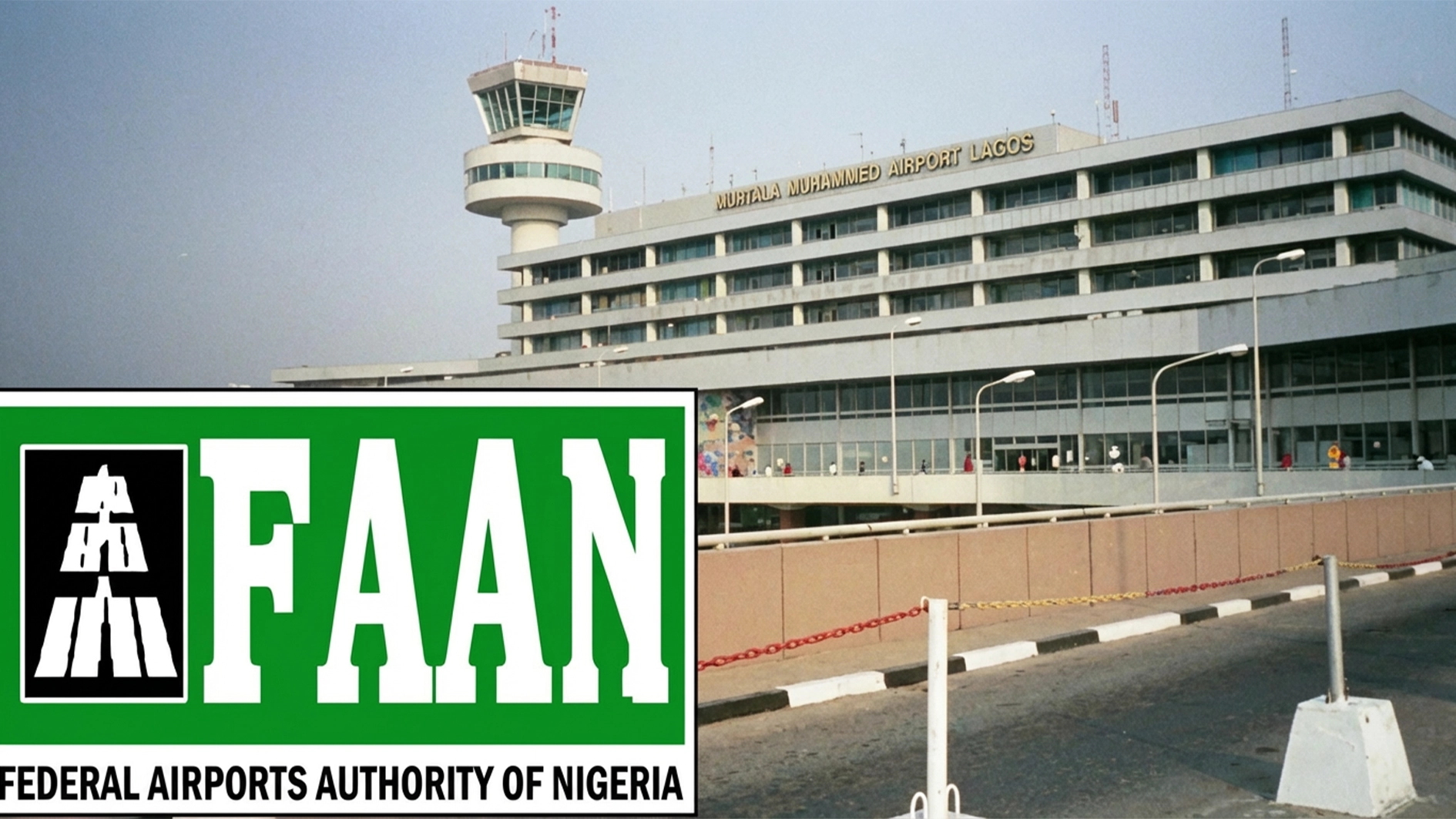
Former General Secretary of the Aviation Safety Round Table Initiative (ASRTI), John Ojikutu, has called for a comprehensive review of the sharing formula for the five per cent Ticket Sales Charge (TSC), Cargo Sales Charge (CSC) and Chartered Flights Charge (CFC).
Ojikutu in his submitted presentation to the House of Representatives Committee on Aviation and obtained by The Guardian, said that the Federal Airports Authority of Nigeria (FAAN) should also contribute to the fund as a non-aeronautical commercial operator.
According to Ojikutu, the current sharing arrangement among the Nigeria Civil Aviation Authority (NCAA), Nigerian Airspace Management Agency (NAMA), Nigerian College of Aviation Technology (NCAT), Nigerian Safety Investigation Bureau (NSIB) and the Nigerian Meteorological Agency (NiMet) was neither rational nor justified.
He posited that the distribution should be based on factors including the number of aviation personnel, operational equipment, geographical spread, hours of operation and the safety responsibilities of each agency.
He declared that the five per cent charges were intended to support the continuous provision of mandatory aviation safety services, but that the present formula had failed to adequately show the different operational responsibilities and financial needs of the agencies.
Ojikutu said the review should also recognise that FAAN, despite being an airport operator, performs commercial, non-aeronautical functions and generates substantial revenue from services provided at airports.

He itemised passenger terminal services, aircraft landing and parking charges, cargo services, car parks, toll gates, fuel sales, car-hire operations, land and office rents, shopping malls and restaurants, airline passenger-check-in counters, aerobridges, VIP lounges and other airport commercial activities among FAAN’s revenue sources.
He said these activities placed FAAN within the category of non-aeronautical commercial service operators whose earnings should be considered in the funding of aviation safety services.
He said: “The non-aeronautical services that are mostly commercial operators’ services, which mainly are the airlines operators, cargo operators, etc., must necessarily include FAAN.
“FAAN, being a commercial airport services operator, should contribute five per cent of its airport sales service charges into the general pool for aviation safety services.”
Ojikutu further proposed a major adjustment to the existing sharing formula, particularly in favour of NAMA.
He cited the agency’s extensive safety responsibilities and operational requirements, recommending that NAMA’s share should rise from the present 22 per cent to 40 per cent.
According to him, NAMA provides air traffic control and navigational services to commercial airlines, private, government, diplomatic and military aircraft operating within Nigeria’s airspace.
He estimated that the agency’s operations involved more than 800 air traffic controllers, over 500 engineers and technologists, as well as more than 1,000 administrative and support personnel.
Ojikutu warned that inadequate funding could expose critical aviation safety infrastructure to operational risks if equipment maintenance and calibration schedules were not met.
On the Nigeria Civil Aviation Authority (NCAA), Ojikutu recommended that its share should not exceed 40 per cent, despite the regulator’s existing dominant share of 56 per cent.
Ojikutu further expressed that the NCAA had more than 15 other sources of revenue apart from the five per cent charges.

