 Follow Us on Google News
 Follow Us on Google Discover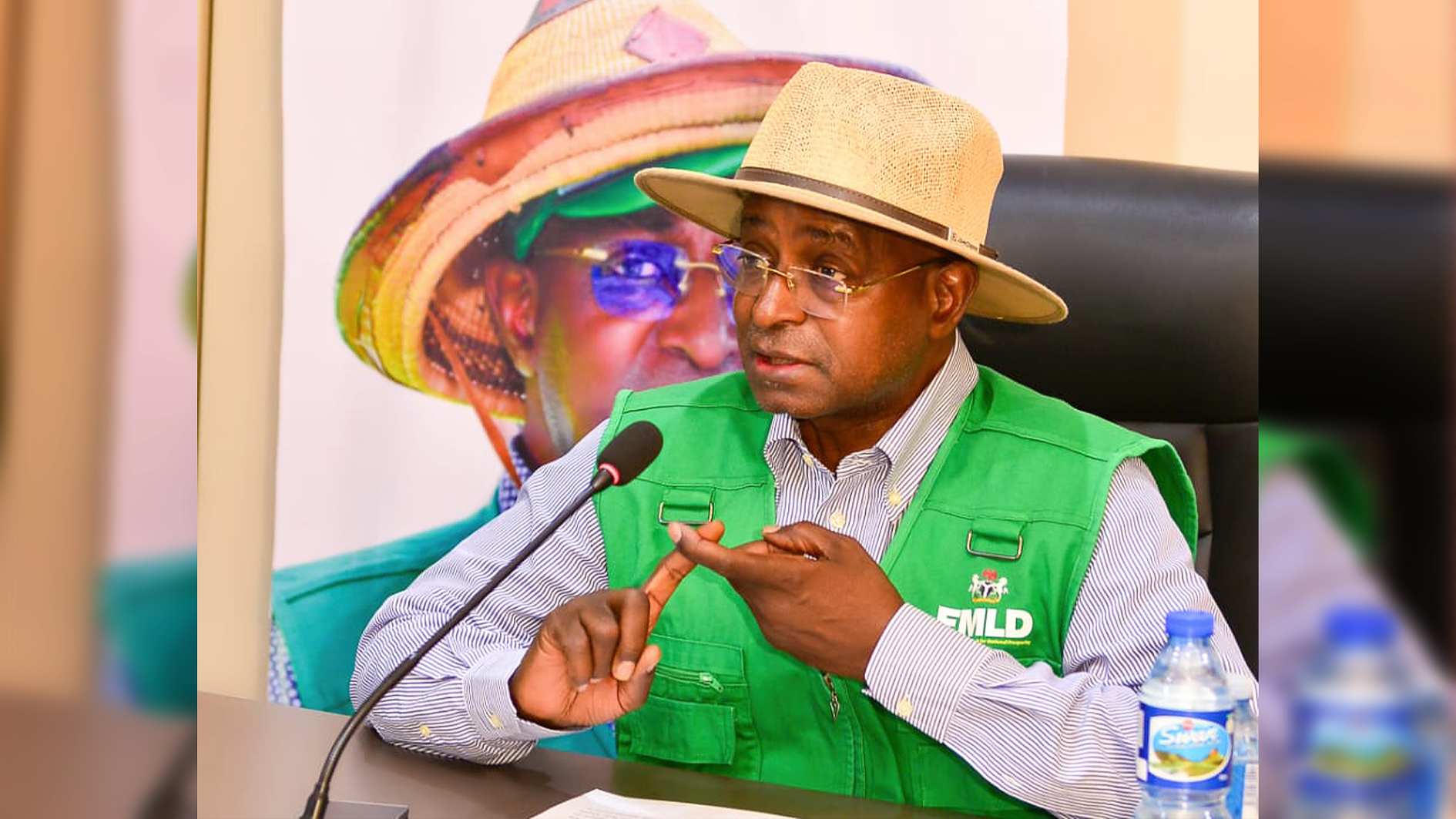
President Bola Ahmed Tinubu, on Monday, said that Nigeria’s livestock sector, with more than 910 million animals, contributes over $32 billion annually to the country’s economy.
The president said the livestock industry also represented a strategic economic asset capable of driving industrialisation, poverty reduction, youth employment, regional trade and economic prosperity.
Tinubusay disclosed this in Abuja during the 9th All-Africa Conference on Animal Agriculturingaid the sector remained a major pillar of Nigeria’s agricultural production, food security and rural development, while providing livelihoods for millions of Nigerians.
The conference, themed “Repositioning Animal Agriculture for Africa’s Food Security and Global Competitiveness,” brought together policymakers, scientists, researchers, livestock practitioners, investors, development partners and other stakeholders from across Africa and beyond.
Represented by the Secretary to the Government of the Federation (SGF), Senator George Akume, Tinubu said the Federal Government had placed agriculture and food security at the centre of its Renewed Hope Agenda, leading to the establishment of the Federal Ministry of Livestock Development in July 2024.
He said: “Nigeria possesses one of the largest livestock populations in Africa, with over 58 million cattle, 68 million sheep, 124 million goats and 660 million poultry birds.

“Supporting livelihoods across the country, the livestock sector is estimated to contribute over US$32 billion annually to the national economy and remains a major pillar of our agricultural production, food security and rural development.
“Under our administration, several strategic initiatives are being launched to unlock the vast potential of this sector. These include the implementation of the National Livestock Growth Acceleration Strategy as a framework for unlocking economic opportunities in the livestock sector.”
According to him, the creation of the ministry marked the beginning of a comprehensive national livestock transformation programme aimed at moving the sector from largely subsistence production to a modern, technology-driven, commercially competitive and globally integrated industry.
He said the administration had also approved key institutional reforms based on the recommendations of the Presidential Committee on Livestock Reforms to strengthen governance, improve productivity, promote peaceful and sustainable livestock production systems and create an enabling environment for private-sector investment.
He said the strategy focused on increasing livestock productivity, strengthening value chains, improving animal health services, expanding commercial feed production, enhancing livestock genetics, promoting climate-smart production systems, improving peacebuilding and positioning Nigeria as a regional hub for livestock investment and exports.
The President also said the government was promoting ranching and modern livestock production systems as part of efforts to enhance productivity and address conflicts associated with traditional livestock production.
He added that the government was strengthening animal breeding and genetics, veterinary services, feed production, disease surveillance and animal health systems, while attracting domestic and foreign investments into dairy production, meat processing, leather, feed milling and livestock infrastructure.
On dairy production, Tinubu said the government was taking major steps to reduce Nigeria’s dependence on imported milk, noting that the ongoing dairy transformation programme was aimed at doubling local milk production through improved genetics, better nutrition, modern breeding systems and stronger private-sector participation.
He added, “Millions of jobs can be created for our growing youth population in Africa. The Nigerian Government is committed to fully optimising the value chain. We are also taking major steps to reduce dependence on imports.
“In the dairy subsector, Nigeria currently spends significant foreign exchange on milk imports. Our ongoing dairy transformation programme seeks to double local milk production through improved genetics, better nutrition, modern breeding systems and stronger private-sector participation.”
He called for stronger regional cooperation among African countries, particularly in animal health, disease surveillance, research, climate-smart livestock production, genetics, trade and market integration.
In his remarks, the Minister of Livestock Development, Idi Mukhtar Maiha, urged participants to use the conference to forge stronger partnerships, deepen scientific collaboration and mobilise investment capable of transforming the agricultural sector.
He said: “Let this conference be remembered not simply for the quality of its discussions, but for the bold actions it inspires across our continent.”
The Interim President of the All-Africa Society of Animal Production, Prof. Mizeck Chagunda, called for greater collaboration among scientists, farmers, policymakers, researchers and other stakeholders to accelerate livestock development on the continent.
Chagunda said the conference should serve not merely as a meeting but as a platform for dialogue, knowledge-sharing and the development of practical solutions to challenges confronting Africa’s livestock sector.
He disclosed that more than 140 presentations, including keynote addresses, invited talks and oral presentations, would be delivered during the conference.
He said the discussions would cover livestock technologies and biotechnology, climate change, animal welfare, livestock diversity, food systems, farmer access to technology, human-capacity development, animal breeding and genetics, animal health, nutrition and productivity.
Chagunda also commended Nigeria for hosting the conference and said the country had helped put the All-Africa Society of Animal Production back on track by hosting the event three years after the previous edition in Gaborone, Botswana.
He announced plans by the interim leadership of the society to establish a permanent home for the organisation and review its constitution to reflect current realities across Africa.
Speaking earlier, the Permanent Secretary, Ministry of Livestock Development, Dr Chinyere Ijeoma Akujobi, said the conference provided a platform for African countries to share knowledge, strengthen partnerships and develop innovative approaches to advancing animal agriculture.
She said Africa’s growing population, changing food systems, climate challenges and expanding markets made it imperative for stakeholders to reposition animal agriculture as a major contributor to food security, livelihoods and economic growth.
The conference also featured the launch of the African Livestock Changemakers Awards, aimed at recognising individuals and organisations contributing significantly to the advancement of animal agriculture on the continent.

