 Follow Us on Google News
 Follow Us on Google Discover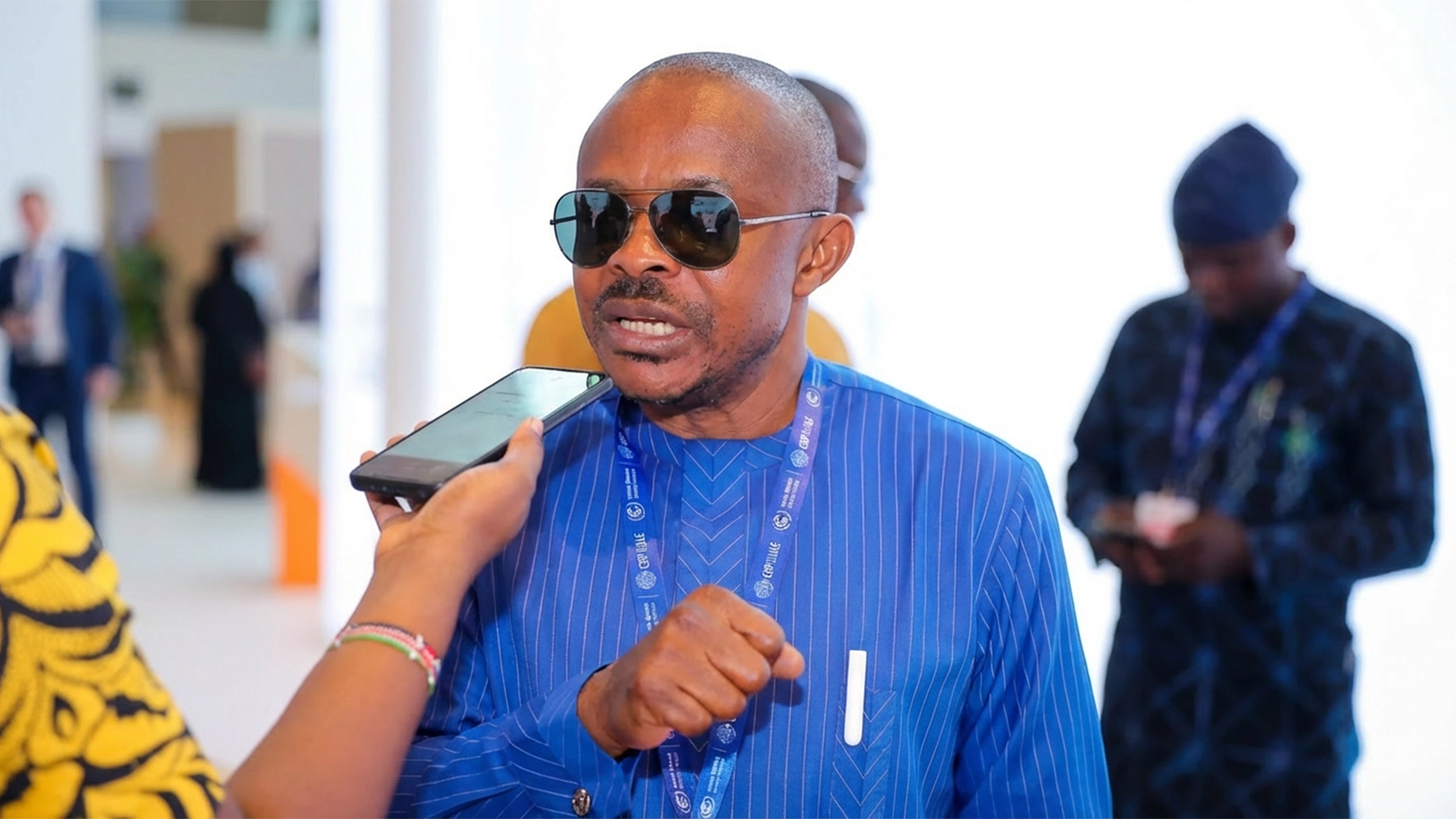
Artificial intelligence (AI) is rapidly changing the world of work. Still, for developing economies battling low labour productivity, skills shortages, unemployment and a growing working-age population, the technology presents a more complicated question beyond how machines will take workers’ jobs, GLORIA NWAFOR reports.
For millions of workers in developing economies, the arrival of artificial intelligence (AI) could represent either a long-awaited productivity breakthrough or another shock to already fragile labour markets.
The difference may depend less on the technology itself than on what governments, employers and organised labour do with it.
The World Bank in its ‘World Development Report 2026: The Promise of Artificial Intelligence ‘ put the scale of the opportunity and the risk into perspective, warning that about 4.5 per cent of existing jobs in developing economies are at risk of automation by artificial intelligence, compared with 14.2 per cent in high-income economies.
It stated that AI offers a lifeline to developing economies in an era of weak growth, assuring that if they act now, the technology could help them achieve in a decade what might have taken a century, provided that governments act swiftly to close the gaps in power, connectivity, skills, and institutional quality that threaten to leave them behind.
According to the bank, 16.2 per cent of jobs in developing economies could see productivity meaningfully boosted by AI — close to the 18.7 per cent expected in high-income countries.

Speaking on the fundamental challenges facing labour markets across Africa, labour experts highlighted that a person may be employed and remain trapped in poverty if the work generates little income, provides limited opportunities for advancement and produces low economic value.
Director-General of the International Labour Organisation (ILO), Gilbert Houngbo, said while AI could change what it means to be skilled, skills including critical thinking, creativity, problem-solving, communication, leadership, judgement, and the ability to work effectively with technology were pertinent.
Noting that the implication for labour policy was enormous, he said a workforce trained mainly for yesterday’s jobs cannot be expected to thrive in tomorrow’s economy.
According to him, governments, employers, trade unions and educational institutions have to move beyond traditional training models and make continuous learning a normal part of working life.
President of the Nigeria Labour Congress (NLC), Joe Ajaero, who urged that trade unions have a role to play, said that the AI transition also presents a new agenda for organised labour.
Noting that trade unions have traditionally fought for wages, job security, safe working conditions, social protection and workers’ rights, he said those responsibilities are unlikely to disappear in the AI era.
He said as employers introduce AI into workplaces, unions will need to engage with questions around job redesign, worker surveillance, productivity measurement, retraining, redeployment and the sharing of productivity gains.
He further said: “Will workers earn more? Will working hours fall? Will new jobs be created? Will workers displaced by automation receive retraining and redeployment opportunities? These are fundamentally labour questions.
Employers must resist the temptation to see AI only as a cost cutter
The NLC chief said if technological gains lead to widespread job losses without corresponding increases in new employment and incomes, businesses could ultimately face weaker demand for their products and services, noting that the better approach is to use AI to augment workers where possible.

