 Follow Us on Google News
 Follow Us on Google Discover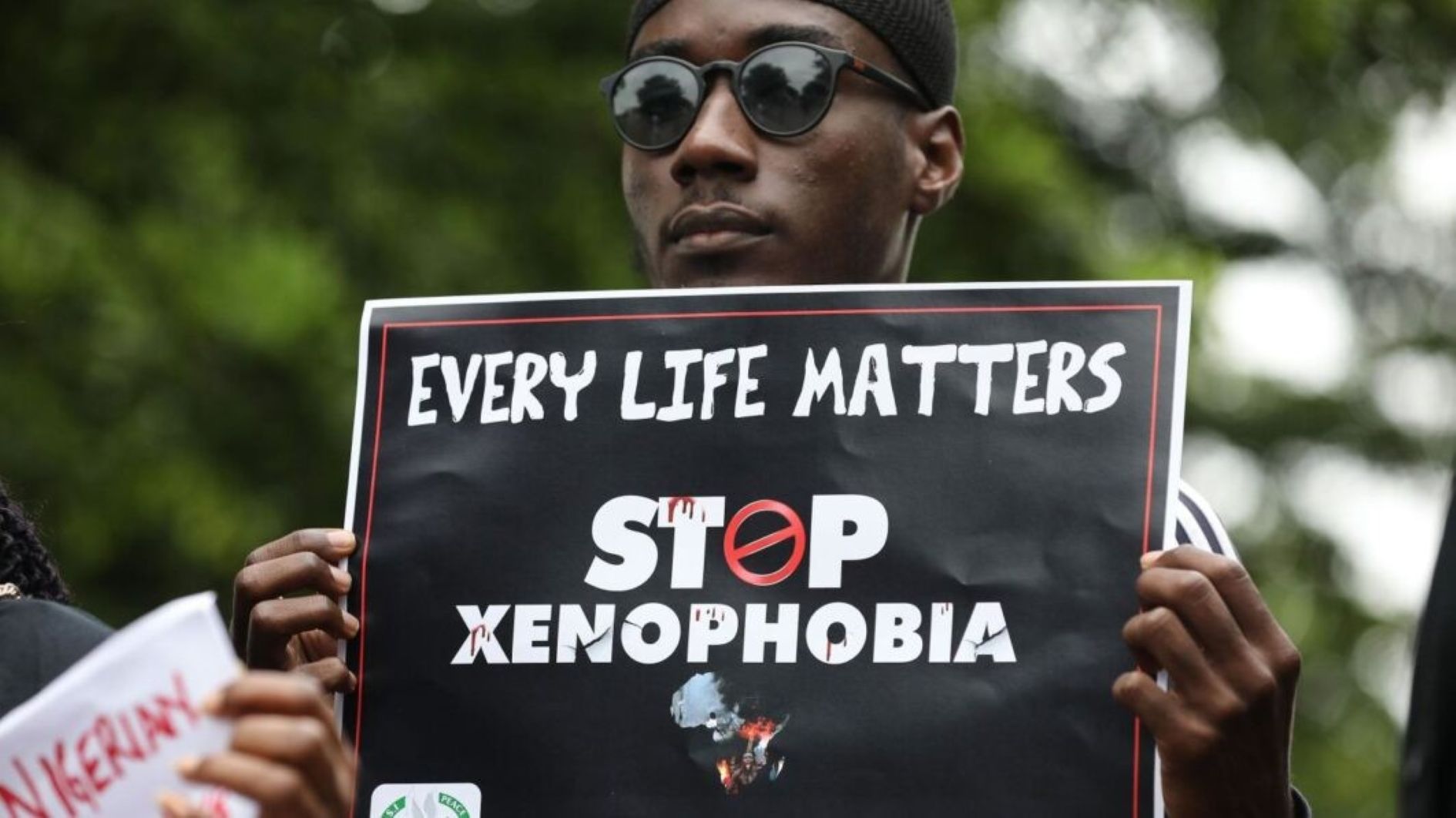
Former South-East spokesman to President Bola Ahmed Tinubu and chairman of the Forum of Former Members of the Enugu State House of Assembly, Onoh Onoh, has rejected claims by the South African Consul-General to Nigeria, Prof Bobby Moroe, that there is no xenophobia in South Africa.
Moroe, while speaking in an interview, had assured Nigerians that South Africa remained safe for tourists, business travellers and other visitors.
“There’s no xenophobia in South Africa,” Moroe said when asked about attacks on foreigners.
But Onoh, in a statement made available to journalists in Abuja, described the position as inconsistent with reports of attacks against African migrants in South Africa.
He said Moroe’s attempts to portray South Africa as a welcoming destination for fellow Africans “flatly contradict the harrowing realities on the ground”.
According to Onoh, xenophobia and Afrophobia had become deeply rooted in parts of South African society, with African migrants allegedly facing violence, intimidation and discrimination.

He cited reports attributed to xenophobia monitoring organisations, including Xenowatch, which he said had documented hundreds of incidents annually.
Onoh also referred to the reported killing of five Ethiopian nationals in Johannesburg, saying Moroe could not claim ignorance of such incidents.
He accused groups such as Operation Dudula and March and March of using anti-immigrant rhetoric to intimidate African migrants and said such campaigns had forced thousands of people to abandon their homes, businesses and livelihoods.
Onoh further cited public opinion research by the Human Sciences Research Council, saying it showed growing anti-immigrant sentiment in South Africa.
He also accused the South African authorities of failing to adequately protect migrants from attacks and discrimination.
“International bodies like Amnesty International have heavily documented instances where vigilante groups openly block migrants from accessing basic health and education services with total impunity and in no single way has the voice of Professor Bobby Moroe been loudly heard condemning it,” Onoh said.
The former presidential spokesman argued that South Africa’s economic and security challenges were contributing to hostility towards migrants.
He pointed to the country’s high murder rate and unemployment, saying African migrants were increasingly being blamed for problems that required domestic solutions.
Onoh also criticised South Africa’s treatment of African migrants from a regional integration perspective, arguing that the country had obligations under African regional frameworks and the African Continental Free Trade Area.
He said the authorities should prosecute those responsible for attacks against migrants instead of responding to populist pressure through forced repatriations.
According to him, xenophobia should not be treated as isolated criminal incidents but as a wider social and political problem requiring decisive action.
Onoh also recalled Africa’s support for the struggle against apartheid, arguing that South Africa had benefited from the solidarity of other African countries during its liberation struggle.
He said it was a “profound historical tragedy” that many Africans now felt betrayed by the treatment of migrants in post-apartheid South Africa.
He argued that the attacks had damaged the spirit of Pan-African solidarity that characterised the anti-apartheid struggle.
Onoh subsequently called for a coordinated continental boycott of South Africa until the country takes stronger measures to protect African migrants.
“It was time for a coordinated, decisive continental boycott of South Africa,” he said, arguing that a country unable to protect people who enter its territory to trade, invest or seek safety should not continue to enjoy the full economic benefits of continental integration.
Concluding his response to Moroe, Onoh said Nigeria would continue to prioritise the safety of its citizens.
“Keep your South Africa while we keep our Nigeria,” he said.
Onoh added that Nigerian citizens were “safe, valued, and protected at home in Nigeria”, insisting that the country would no longer tolerate what he described as the sacrifice of African lives to conceal South Africa’s domestic challenges.

