 Follow Us on Google News
 Follow Us on Google Discover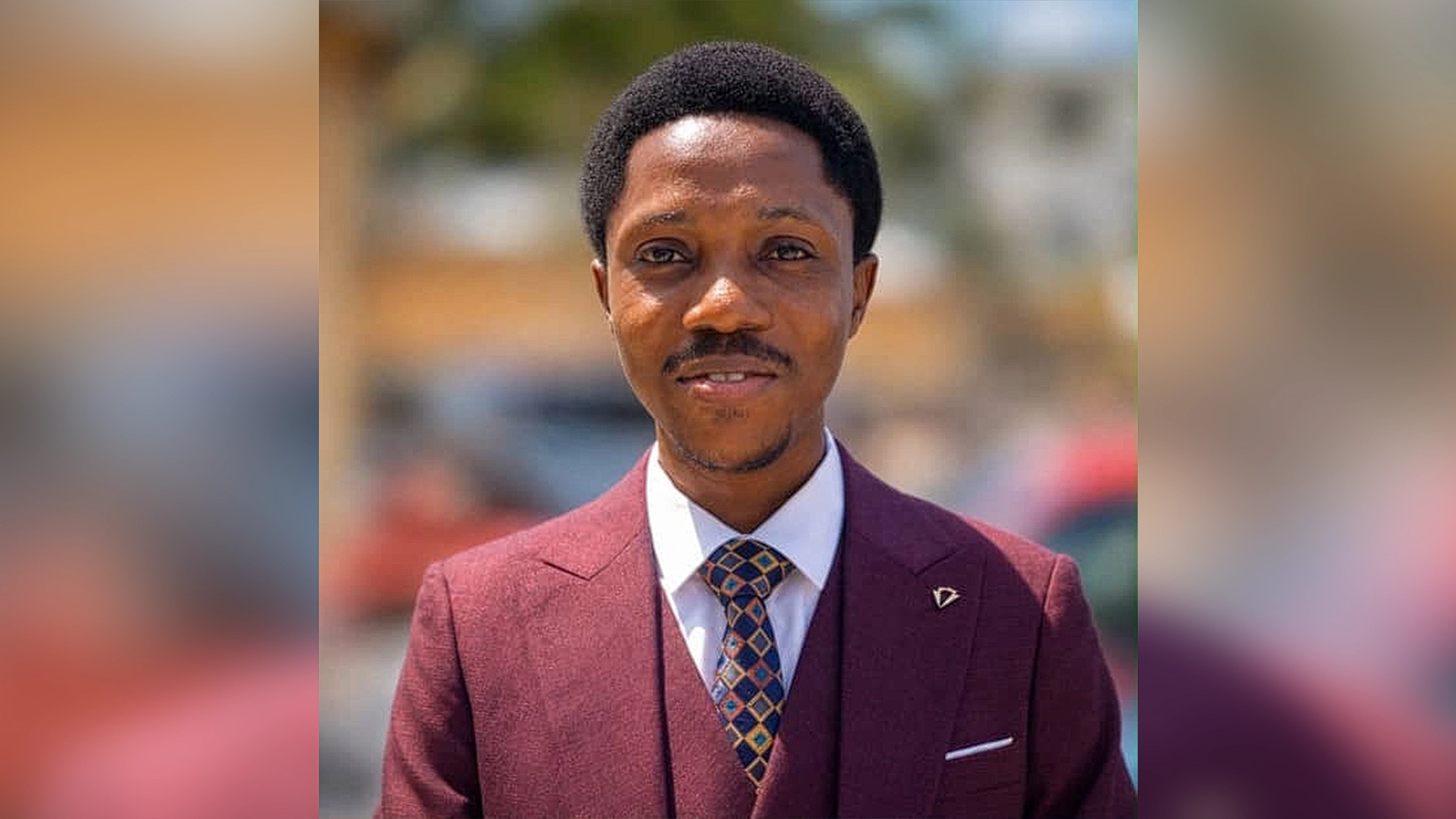
By: Leke Abiola
As schools close for the long vacation, millions of parents around the world are asking the same question:
How do I make this holiday count for my child?
For some, the answer is holiday coaching classes. Others choose coding boot camps, robotics workshops, swimming lessons, football academies, language schools or STEM programmes.
Increasingly, parents are looking beyond traditional classroom learning, searching for experiences that will prepare their children for a future shaped by rapid technological change, artificial intelligence and global competition.
The desire is understandable. Parents are not simply looking for ways to keep their children occupied during the holidays. They are looking for opportunities that will help them grow.

Yet amid this search for meaningful holiday experiences, one of the most powerful investments in a child’s future is often overlooked.
MUSIC For many families, music lessons are viewed as recreational—a pleasant extracurricular activity that children may enjoy if time and finances permit. It is often considered less essential than mathematics, coding or science because it is mistakenly associated primarily with performance and entertainment.
But what if we have misunderstood music all along?
What if music is not simply something children learn…but something that helps shape who they become?
That question is becoming increasingly relevant not only in Nigeria, but around the world.
In 2024, UNESCO’s Member States unanimously adopted the UNESCO Framework for Culture and Arts Education, recognizing culture and arts education as an essential component of quality education and lifelong learning. The framework encourages governments to strengthen arts education because it develops creativity, critical thinking, communication, collaboration, cultural understanding and responsible citizenship. These are qualities that every nation needs in an increasingly complex world and the conversation extends beyond education.
The World Health Organization has highlighted the important role of the arts, including music, in promoting mental wellbeing, strengthening social connection and supporting healthier communities.
Around the world, music is increasingly being integrated into healthcare settings, community wellbeing programmes and therapeutic interventions—not simply because it entertains, but because it contributes to healthier and more resilient lives.
The future of work tells the same story as artificial intelligence transforms industries and automates routine tasks, employers are placing greater value on capabilities that machines struggle to replicate. The World Economic Forum consistently identifies analytical thinking, creativity, resilience, collaboration, curiosity and lifelong learning among the defining skills for tomorrow’s workforce.
Remarkably, these are the very qualities that meaningful music education has cultivated for generations. Every piano lesson teaches more than notes. It teaches patience. Every choir rehearsal teaches more than harmony. It teaches listening, teamwork, shared responsibility. Every orchestra rehearsal teaches more than musical precision, it teaches discipline, leadership, excellence.
Every public performance teaches more than confidence, it teaches courage. The applause may last only a few moments but the character lasts a lifetime.
Scientific research increasingly reinforces what music educators have observed for decades. Studies published in Frontiers in Psychology suggest that structured music training can strengthen executive functions such as attention, working memory and cognitive flexibility—mental processes that influence learning, self-regulation and problem-solving throughout life.
Perhaps this explains why we have been asking the wrong question.
Parents often ask:
“Will my child become a musician?” It is a fair question.
But perhaps a better one is this:
Who will my child become because they learned music?
That single question changes the conversation.
Children who study music are not simply preparing for concerts.
They are learning perseverance through daily practice, humility through correction, confidence by performing before an audience.
They are learning leadership by working with others.
They are learning empathy by listening before responding.
Whether they eventually become doctors, engineers, entrepreneurs, teachers, lawyers, scientists or public servants, these qualities remain among their greatest strengths.
This is not an argument against coding, robotics or STEM education.
Nigeria needs more engineers. More scientists. More innovators. More entrepreneurs.
But technical knowledge alone has never been enough.
The future belongs to people who combine knowledge with creativity, competence with character and intelligence with empathy.
Music helps cultivate those qualities.
Nigeria is uniquely positioned to lead this conversation. Our music enjoys global recognition, while institutions such as the Musical Society of Nigeria (MUSON), Schools, churches, private academies and organizations like Wonderskill International continue to demonstrate that structured music education develops far more than artistic talent. Through examinations, competitions, performances, mentorship and professional training, they are helping young people build confidence, discipline, leadership and a lifelong love of learning.
After more than a decade as a music educator, performer and consultant, I have witnessed these transformations repeatedly. I have watched shy children become confident communicators. I have seen discipline emerge from consistent practice, resilience develops through perseverance and leadership grow through making music together.
Their greatest achievement was rarely musical excellence. It was personal growth.
As parents consider how best to invest in their children’s future this summer, perhaps the most important question is not:
“How do I keep my child busy?”
Perhaps it is:
“Who do I want my child to become?”
Because education is not only about preparing children to earn a living.
It is about preparing them to live with purpose, resilience, character and compassion.
Twenty years from now, very few parents will remember the scales their children practised or the songs they performed. They will remember the confidence with which they entered adulthood.
The discipline with which they approached work. The empathy with which they treated others.
The creativity with which they solved problems. Those qualities do not appear by accident.
They are cultivated. Sometimes, they are cultivated through music.
Perhaps that is music’s greatest performance. Not the applause it receives. But the human potential it unlocks.
Leke Abiola is a music consultant and writes on music, human development, education and the creative economy.

