 Follow Us on Google News


 Follow Us on Google Discover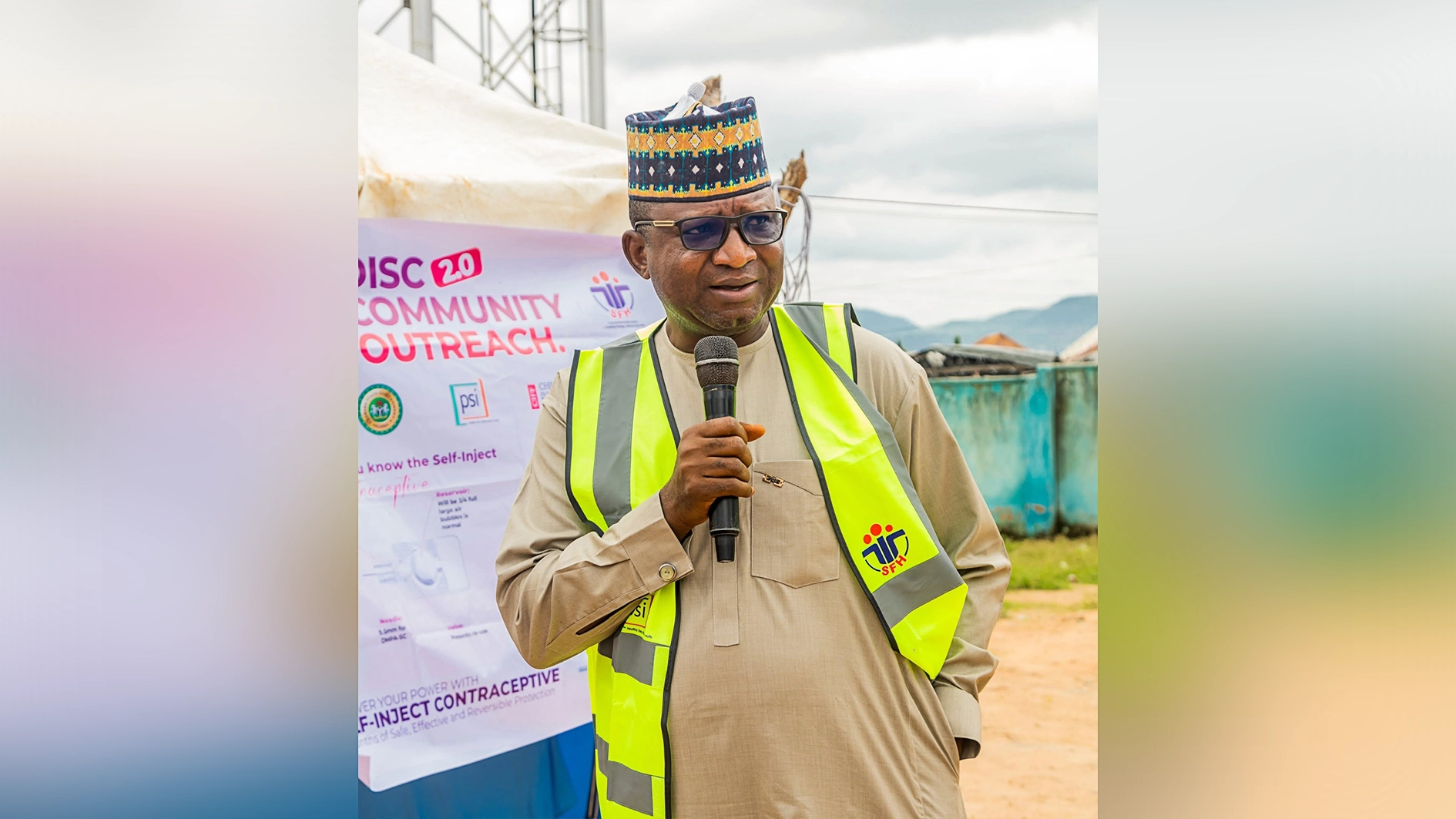
The Taraba State Primary Health Care Development Agency (TSPHCDA) has identified inadequate counterpart funding, lack of office accommodation and poor budget releases as some of the major challenges undermining the effective implementation of primary healthcare programmes across the state.
The agency also listed accumulated electricity bills, inadequate monthly imprest to run its activities and the cost of fuelling the state cold stores among the challenges affecting its operations.
The Executive Secretary of the agency, Dr. Tukura Nuhu, disclosed this on Thursday in Jalingo while briefing journalists on the achievements recorded by the agency under the administration of governor Agbu Kefas.
Nuhu said the agency had made significant progress in strengthening primary healthcare delivery in the state despite the challenges confronting its operations.
According to him, the state government, under the IMPACT project, has revitalised 113 primary healthcare centres, with one facility located in each ward across the state.
He added that three additional primary healthcare centres had been revitalised by the National Primary Health Care Development Agency (NPHCDA), with one facility located in each of the three senatorial zones.

He further disclosed that 13 primary healthcare facilities were currently being upgraded from Level One to Level Two under a Global Fund-supported programme implemented by UNICEF.
On manpower development, the executive secretary said the present administration had employed 450 personnel comprising community health extension workers, medical laboratory technicians, primary healthcare technicians, midwives and community nurses.
He said the government had also employed 336 staff for the state’s emergency medical ambulance services, while approval had been granted for the engagement of 480 community-based health workers.
Nuhu said the agency had also recorded progress in health planning, accountability and maternal and child healthcare through the development of an Annual Operational Plan (AOP) and quarterly reviews.
He listed other achievements to include the introduction of an accountability framework for the state and local government councils, the conduct of Maternal, Newborn and Child Health (MNCH) activities, and the training of 45 healthcare workers on Integrated Management of Acute Malnutrition.
According to him, the state has also increased its vaccine storage capacity and maintained cold-chain equipment across state and local government health facilities.
He said these interventions had contributed to a significant reduction in the number of zero-dose children in the state, from 24 per cent to four per cent.
He also disclosed that skilled birth attendance had increased from 54.7 per cent to 74.5 per cent, indicating an improvement in access to maternal healthcare services.
Nuhu further noted that Taraba emerged as the best-performing state in the country during the Human Papillomavirus (HPV) and Measles-Rubella vaccination exercises.
However, despite the achievements, he said the agency continued to face serious operational constraints that required urgent government attention.
He identified the non-payment of counterpart funding as one of the major challenges, stressing that the state needed to leverage such funding as a “low-hanging fruit” to attract more support from development partners and donor agencies.
He appealed to the state government to commence the immediate payment of counterpart funds to encourage donor agencies, non-governmental organisations and other development partners to invest more in the state’s healthcare sector.
The executive secretary also called for the construction of a permanent office complex for the agency, saying the project had already been captured in the 2026 state budget.
He explained that the lack of adequate office accommodation was hampering the agency’s operations and called for the immediate implementation of the provision in the budget.
Nuhu further urged the government to ensure timely approval and release of budgetary allocations to the agency, warning that delays were resulting in poor budget performance and creating an unfavourable impression of the state on the national health performance dashboard.
He also appealed to the government to take over the payment of accumulated electricity bills associated with the state’s cold stores.
According to him, regular electricity supply is critical to maintaining the cold chain and preserving vaccines and other temperature-sensitive health commodities.
He also called for the prompt payment of the agency’s monthly imprest, or running cost, to enable it to carry out its day-to-day activities effectively.
Nuhu stressed that timely funding was essential to sustaining the gains already recorded in the state’s primary healthcare system.
He said continued government support, particularly through counterpart funding, timely budget releases, adequate office accommodation and operational funding, would enable the agency to consolidate its achievements and attract more development partners to Taraba State.
The executive secretary expressed confidence that addressing the identified challenges would further improve healthcare delivery and enable the state to sustain its performance in national health programmes.

