 Follow Us on Google News


 Follow Us on Google Discover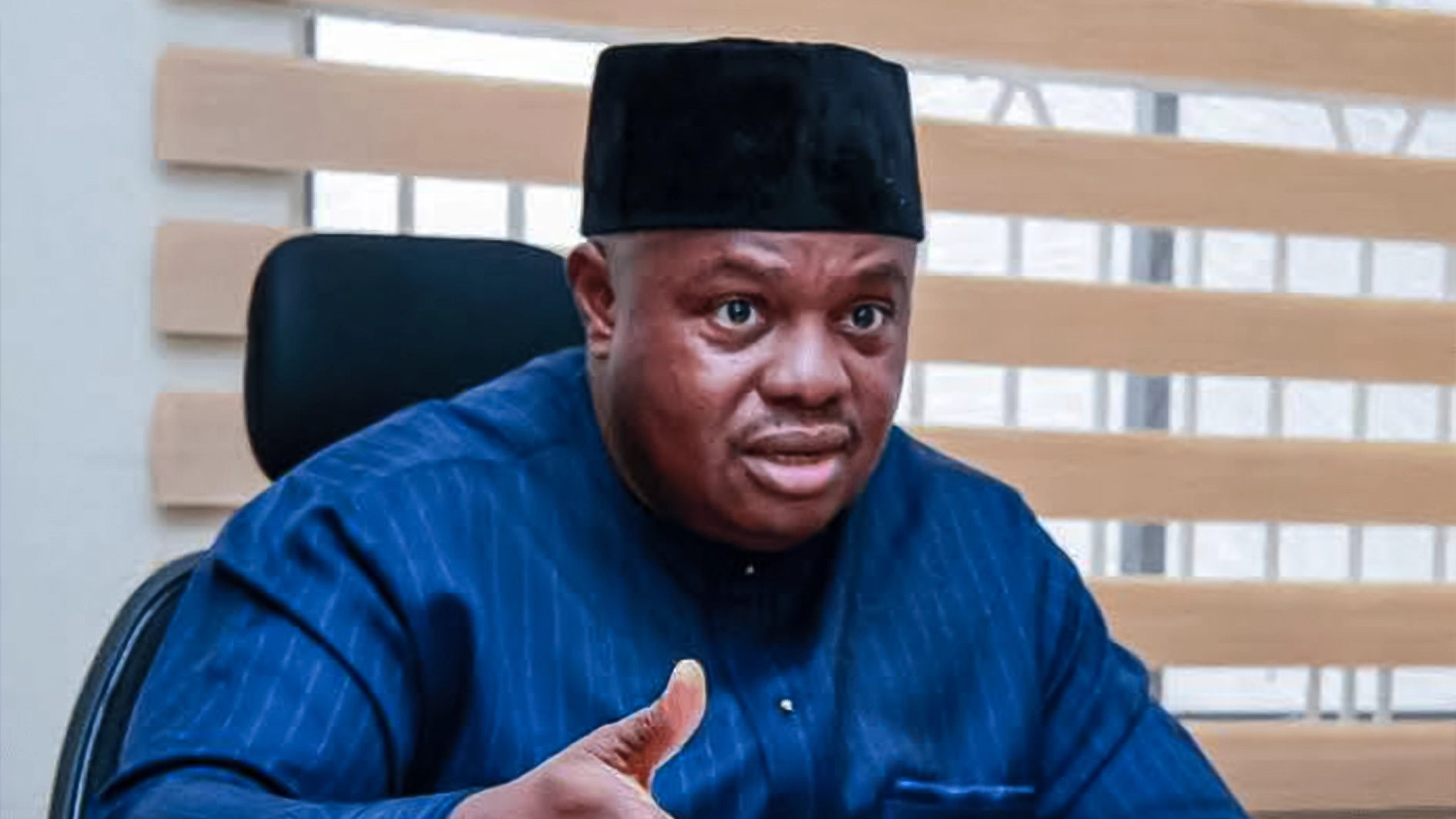
…Raises Concerns Over EU Election Mission
The Executive Director of FixPolitics Africa, Anthony Ubani, has raised concerns over Nigeria’s preparedness for the 2027 general elections, warning that the country risks entering another deeply contested electoral cycle amid declining public confidence in the electoral system.
Ubani expressed particular concern over what he described as growing confidence among supporters of the ruling All Progressives Congress (APC) that President Bola Tinubu is certain to win the 2027 presidential election, despite widespread concerns over economic hardship and governance.
His concerns also extend to the European Union’s planned participation in the election, following reports that the bloc would withdraw from election observation.
The EU, however, has clarified that it will participate through a smaller Electoral Expert Mission comprising between two and four experts, compared with the approximately 110 observers it deployed across Nigeria during the 2023 election.
According to Ubani, the reduced size of the EU mission should not be viewed in isolation, but as part of wider concerns about the credibility of Nigeria’s electoral process.
He said the EU’s 2027 mission would be significantly different from its 2023 deployment, when it fielded about 110 observers nationwide.

“The EU says the size and format of its missions depend on circumstances and available resources. Fair enough. But the bigger story is that Nigeria is walking into 2027 with the credibility of its electoral system still badly damaged. The ghost of 2023 still hangs over the Independent National Electoral Commission,” he said.
Ubani recalled that the 2023 election was expected to represent a major technological shift in Nigeria’s electoral process following the introduction of the Bimodal Voter Accreditation System (BVAS) and the INEC Result Viewing Portal (IReV).
However, he said the election was ultimately undermined by operational and systemic shortcomings that weakened public confidence in the Independent National Electoral Commission (INEC).
He cited the EU’s final report on the 2023 election, which identified systemic weaknesses, operational failures and other shortcomings that damaged trust in the electoral process.
According to him, the EU made 23 recommendations after the election, but only one had been fully implemented when the bloc returned in 2025 to assess Nigeria’s progress.
“Only one. That should embarrass a country preparing for another presidential election,” Ubani said.
He acknowledged that Nigeria has since enacted a new Electoral Act containing stronger provisions for electronic transmission of election results, but argued that legislation alone would not guarantee credible elections.
“Nigeria has never suffered mainly from a shortage of laws. We suffer from a shortage of obedience to laws,” he said, stressing that the critical issue in 2027 would be whether electoral authorities comply with the law when the political stakes are highest.
Ubani also identified the appointment structure of INEC as a continuing structural concern, noting that the President, who could be a candidate in the election, plays a central role in appointing the commission’s chairman.
He stressed that his comments were not directed at the current INEC chairman as an individual, but at the institutional structure.
“The issue is bigger than any individual,” he said.
The FixPolitics executive director further expressed concern over declining voter participation, noting that presidential election turnout had fallen from more than half of registered voters in 2011 to about 27 per cent in 2023.
He said the decline should worry anyone concerned about the health of Nigeria’s democracy, arguing that citizens increasingly disengage from elections because they believe their votes may not be respected.
Ubani linked the situation to recent warnings by activist and lawyer Dele Farotimi that the 2027 election could become a “procession to a coronation.”
He said the description reflected growing fears that the concentration of political power and the strength of incumbency could reduce the election to a mere formality.
He also criticised the use of “coronation” by some supporters of President Tinubu, describing the language as troubling in a democratic society.
“If Nigeria gets 2027 wrong, the damage will go beyond who occupies Aso Rock,” Ubani warned, saying another disputed election could further erode citizens’ confidence in democratic institutions.
He called on citizens, civil society organisations, electoral stakeholders and the media to become actively involved in the electoral process long before election day.
Ubani urged INEC to publicly test the reliability of BVAS and IReV, ensure that result-transmission procedures are clear and auditable, and support independent archiving of polling-unit results.
He also called for stronger monitoring of vote buying and security agencies, improved training for party agents and wider deployment of domestic election observers.
The media, he added, must avoid becoming either “government propaganda machines or opposition echo chambers.”
While acknowledging that international observers could witness electoral shortcomings, Ubani urged President Tinubu and other political actors to distinguish between winning an election and securing a legitimate mandate.
“A credible victory strengthens a president, while a disputed victory follows him everywhere,” he said.
He also urged INEC to recognise that public trust would have to be rebuilt through its conduct rather than statements.
“Nigerians owe it no automatic trust after 2023. Trust is not a press statement but earned through conduct,” he said.
Ubani maintained that Nigeria could still avoid another disputed election if stakeholders acted early and decisively.
“Nigeria is neither condemned to a bad election nor entitled to a good one. The next general election can still be rescued, only if citizens refuse to sleepwalk into it,” he said.
“When election day comes, Nigerians must be choosing a president, not attending a coronation.”

