 Follow Us on Google News


 Follow Us on Google Discover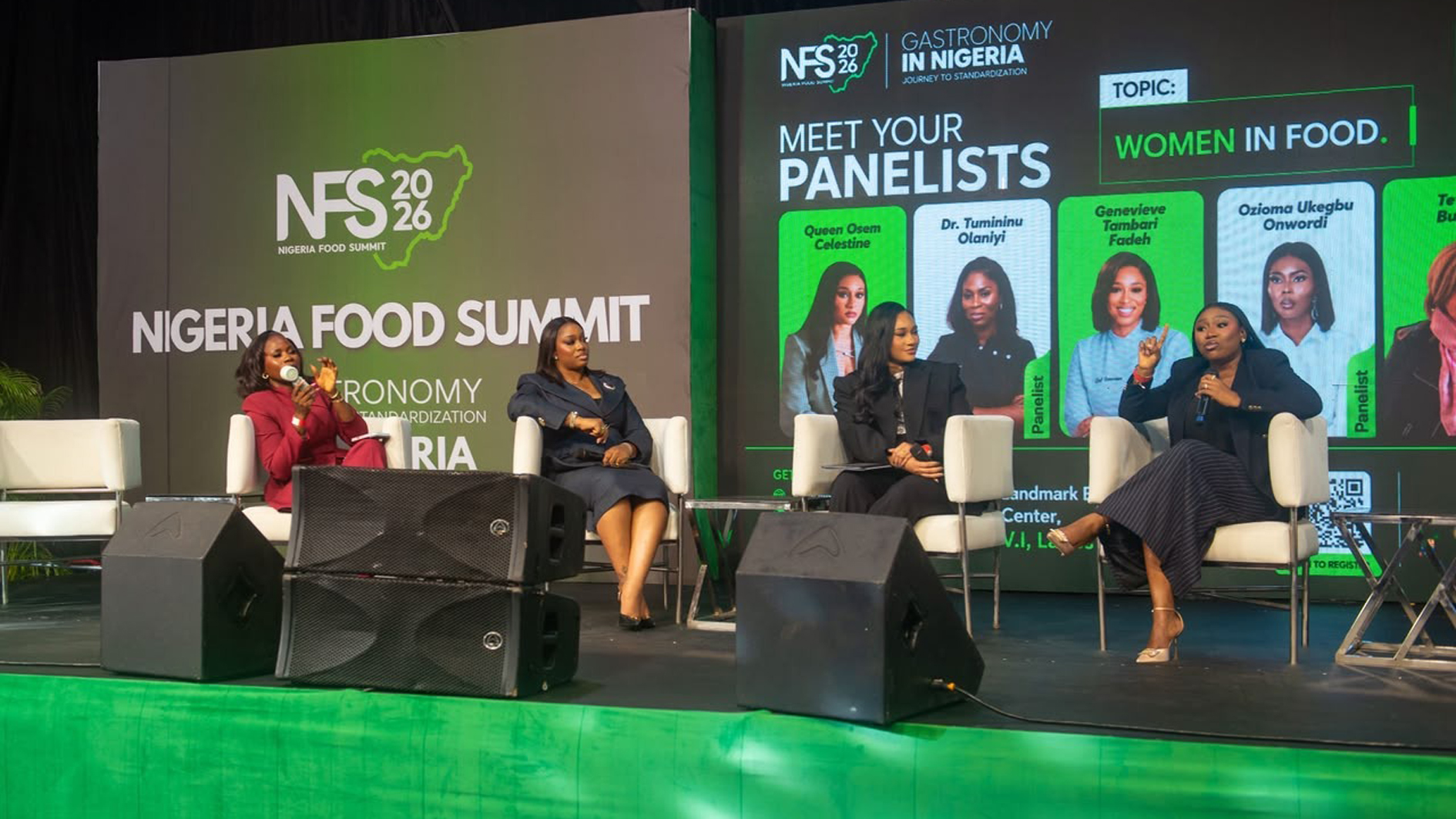
Stakeholders at the Nigeria Food Summit (NFS) has reinforced the urgent need for collaboration, innovation, quality assurance, policy alignment and industry-wide standards to promote culinary tourism and position Nigerian gastronomy as a globally competitive industry.
Rising from the NFS 2026 edition, held at the Landmark Event Centre, Victoria Island, Lagos, held under the theme: “Gastronomy in Nigeria: Journey to Standardisation,” the two-day summit encouraged greater collaboration between government, industry, academia, and the private sector.
Across the two-day programme, the summit served nearly 1,000 individuals and recorded close to 800 ticket sales. The gathering included over 300 programme participants – among them speakers, moderators and panelists, as well as approximately 200 VIP guests, about 30 sponsors and strategic partners, and nearly 20 exhibitors representing food, agriculture, hospitality, technology, and related sectors.
Delegates participated in keynote presentations, fireside conversations, panel discussions, master classes, live cooking competitions, culinary demonstrations, exhibitions, networking sessions, business engagements, and the Nigeria Food Summit Awards. Together, the sessions explored practical pathways for strengthening every segment of Nigeria’s food value chain, while encouraging greater collaboration between government, industry, academia, and the private sector.
Delivering the Summit Welcome Address, Chef and Convener of the summit, Captain Gbolabo Gibbs Adebakin, emphasised that the conversations initiated during the summit must now translate into measurable action.
He said: “The conversations we have had over these two days must now become commitments. Standardisation cannot remain an aspiration; it must become our collective practice. Building a globally respected Nigerian gastronomy industry requires collaboration across government, business, education, hospitality and every stakeholder in the food value chain. This summit is only the beginning.”

One of the summit’s defining moments was the keynote address delivered by the former Minister of Information and Culture, Special Adviser to the Secretary-General of UN Tourism, and Chairman of the Board of Trustees and Governing Council of the Eko Tourism Foundation, Alhaji Lai Mohammed, who spoke on the topic: “Building Nigeria’s Food System: Standardising Gastronomy for Power and Prosperity.”
He challenged stakeholders to view Nigerian cuisine not simply as cultural heritage, but as an economic asset capable of driving tourism, exports, investment and national development.
“Standardising Nigerian gastronomy is not a cosmetic exercise – it is nation-building work. Countries that succeed globally document, protect, regulate and intentionally promote their cuisine. Nigeria has every reason to stand alongside them. By building systems that protect quality, authenticity and our culinary heritage, we can transform Nigerian food into a powerful instrument of economic growth, cultural diplomacy and global competitiveness,” he said.
The summit welcomed an exceptional lineup of speakers, panelists, moderators, facilitators and special guests representing government, industry, academia, hospitality, tourism, agriculture and culinary innovation.
Beyond thought leadership, the summit created meaningful opportunities for collaboration through strategic networking, business matchmaking, stakeholder engagement, cross-sector dialogue and partnerships designed to strengthen Nigeria’s rapidly evolving food ecosystem.
A vibrant exhibition showcased innovative food brands, culinary businesses, agricultural enterprises, technology-driven solutions and hospitality service providers, connecting exhibitors directly with consumers, investors, policymakers and strategic partners while highlighting the diversity and commercial potential of Nigeria’s food economy.

