 Follow Us on Google News


 Follow Us on Google Discover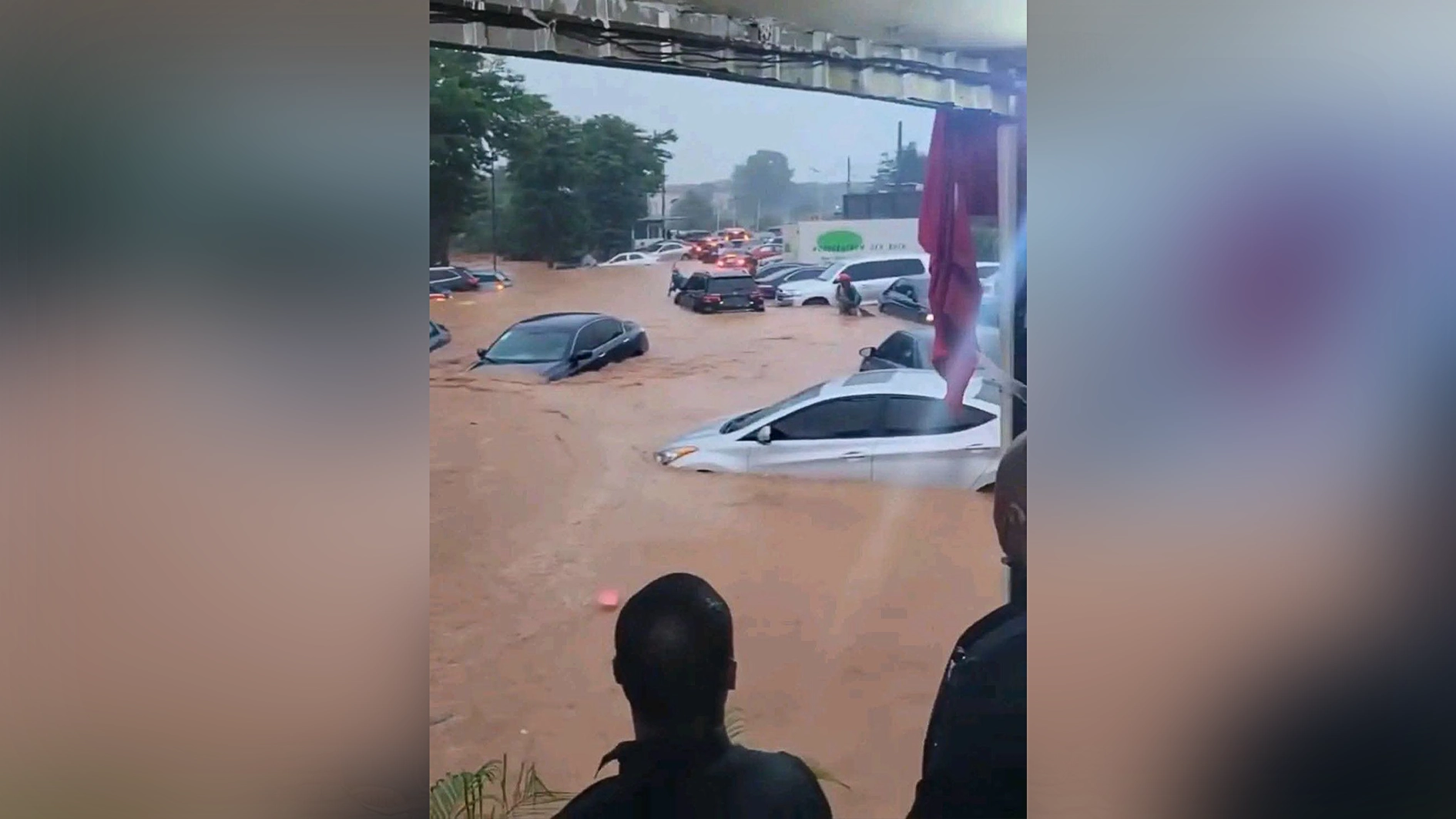
• Residents blame encroachment, poor waste management for flooding in Wuse 2, Gudu, Mabushi, Lugbe, others
• FCT agency warns against driving, walking through floodwater
For residents of several parts of Abuja, yesterday’s heavy rainfall brought more than the usual disruption associated with the rainy season.
Roads disappeared under floodwater, motorists were stranded and homes were inundated, renewing concerns about the Federal Capital Territory’s preparedness for increasingly intense rainfall.
Flooding was reported in Wuse 2, Katampe, Mabushi, Lugbe, Nyanya, Gwarinpa, Asokoro, Maitama, Utako, Wuye, Gudu and around the bridge linking Gaduwa and Durumi.
In Wuse 2, residents reported significant flooding on roads and surrounding areas after the downpour. Social media reports also showed vehicles caught in the flood, although there was no official assessment of the extent of damage at the time of filing this report.
At Gudu, the Delight Event Centre was reportedly heavily flooded, while the bridge linking Gaduwa and Durumi was inundated, leaving some motorists stranded.

The latest incidents have once again turned attention to Abuja’s drainage system, waste management practices and urban planning, particularly in areas where drainage channels are inadequate, poorly maintained or obstructed by refuse.
Although heavy rainfall was the immediate trigger, residents and environmental observers argue that the impact of flooding is worsened by human activities, including indiscriminate waste disposal, the conversion of green areas and the obstruction of natural waterways.
Plastic bottles, nylon bags, food waste, sand and other debris dumped around roads and drainage channels can restrict the flow of stormwater, causing water to accumulate rapidly when rainfall becomes intense.
Rapid urbanisation has also increased the amount of paved and built-up surfaces across the capital. With less exposed soil and vegetation available to absorb rainwater, more runoff is channelled into drainage systems, putting additional pressure on infrastructure.
There are also growing concerns over developments around designated green areas and waterways. Residents say the conversion of some of these spaces for residential and commercial purposes may be reducing the city’s natural capacity to absorb and channel stormwater.
Abraham Bello said the conversion of green areas could be contributing to the worsening flooding experienced in the FCT.
Similarly, Ahmad Rufai said, “We (residents) are now witnessing the consequences of allocating green areas and waterways for residential and commercial buildings in Abuja.”
Rufai also blamed poor public services, particularly waste management and sewage maintenance, for aggravating the situation.
The concerns have fuelled calls for the FCT authorities to strengthen enforcement of planning regulations, protect waterways and green areas, improve drainage infrastructure and intensify waste management before the peak of the rainy season.
The National Emergency Management Agency (NEMA) had earlier warned that prolonged rainfall and saturated soil conditions could increase the likelihood of rapid surface runoff, particularly in low-lying communities and urban centres with inadequate drainage systems.
The agency also advised residents to clear drainage channels and waterways and avoid indiscriminate disposal of refuse.
In the FCT, authorities said preparations have been underway based on early warnings from the Nigerian Meteorological Agency (NiMet) and the Nigeria Hydrological Services Agency (NIHSA).
Speaking with The Guardian, the Head of Public Affairs, FCT Emergency Management Department, Nkechi Isa, said the agency had intensified flood preparedness and public sensitisation across the territory.
She said the Seasonal Climate Prediction issued by NiMet and the Annual Flood Outlook released by NIHSA had served as early-warning documents guiding the FCT’s preparations.
According to Isa, the authorities convened a stakeholders’ meeting involving NEMA, the Engineering Services Department, the Department of Development Control, the FCT Fire Service, the Red Cross and the Satellite Towns Development Department.
She said the meeting reviewed previous flooding incidents and identified measures to reduce the impact of the rains.
Isa added that the agency had visited flood-prone communities, including Lugbe and Mabushi, where residents had previously experienced severe flooding. It also assessed locations identified by NIHSA as vulnerable.
She said the agency visited Gwagwalada and Kwali Area Councils, where residents were sensitised, traditional institutions engaged and flood-prone locations assessed. Abaji was also identified among the area councils considered at risk.
Isa said the FCT authorities had intensified awareness campaigns on radio and television, urging residents to clear their drainage channels, avoid construction along waterways and relocate from floodplains to safer, higher ground.
She also urged residents to report developments that obstruct the natural flow of water, noting that a case involving a developer allegedly blocking a water channel in Mabushi had already been reported to the relevant authorities.
“We have been going round, sensitising people and creating awareness. We have also been telling people to clear their drains and warning those who live along the floodplain to move to higher ground to avoid loss of lives and property,” she said.
Isa listed Mabushi, Lugbe, parts of Gwarinpa, Wuye, Nyanya and parts of Gwagwalada among areas where flooding had been reported.
She said the situation was particularly severe around a residential building on Anthony Kemp Street, Mabushi, where floodwater reportedly rose to window level and entered the building.
According to her, the owner had taken some mitigation measures, while residents occupying the ground floor had relocated to a safer location.
With more rainfall expected during the season, Isa urged residents to exercise extreme caution around flooded roads, warning that the depth of floodwater could be difficult to determine and that flash floods could sweep away people and vehicles.
“For your own safety, clear your drains and, if you live in a low-lying area or along a water channel, please relocate,” she said.

