 Follow Us on Google News


 Follow Us on Google Discover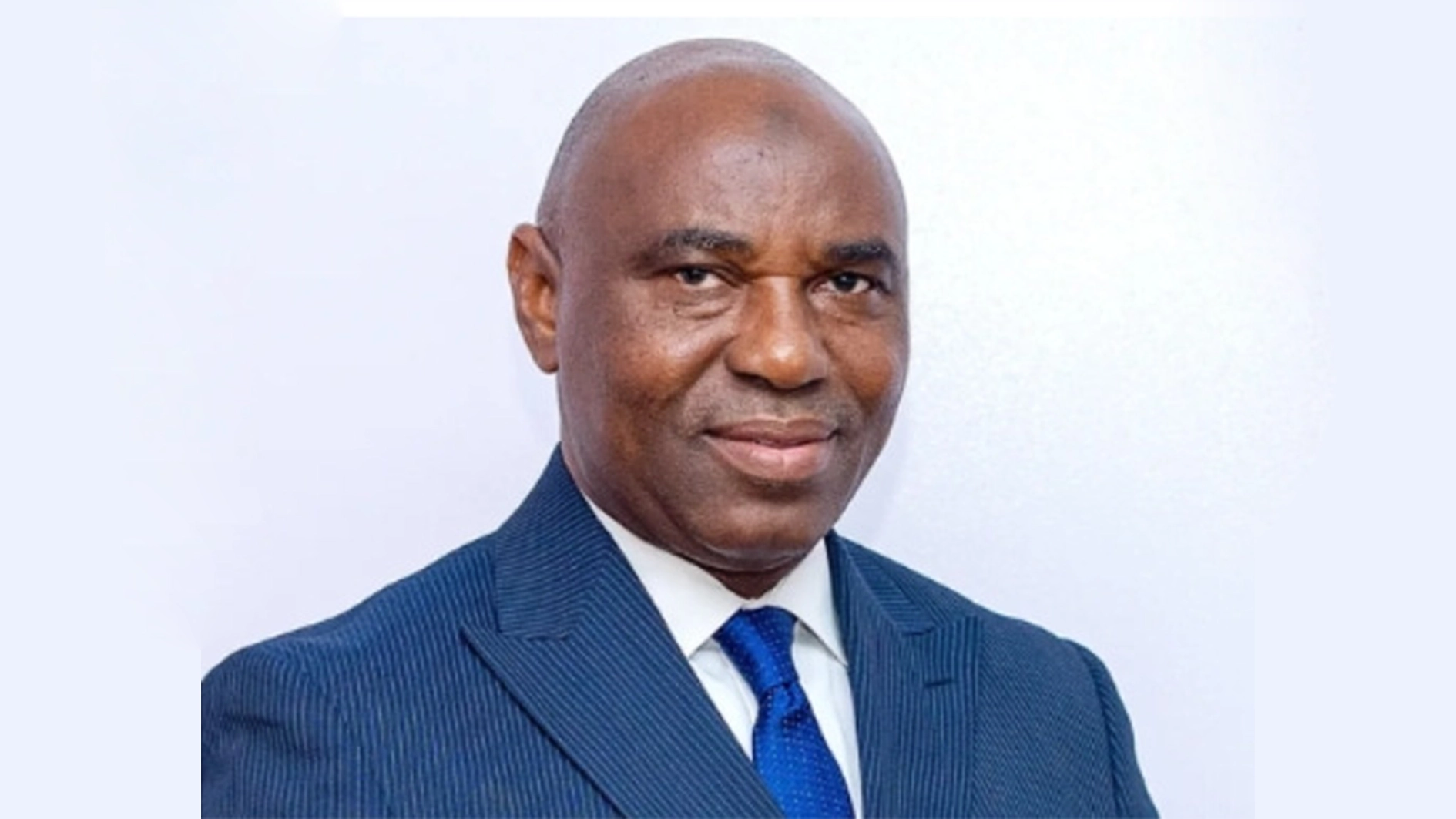
The Chartered Institute of Bankers of Nigeria (CIBN) has been called upon to introduce a standalone professional certification for fintech practitioners and elevate Artificial Intelligence (AI) to a core competency in banking education.
The Managing Director of TrustBanc Group Limited, Abubakar Aribidesi, made the call at this year’s CIBN Lagos Bankers’ Nite, with the theme, ‘Connecting Finance, Innovation and Opportunity for a Greater Lagos’.
Aribisesi, who chaired the event, argued that fintech, digital banking and AI have moved beyond the periphery of banking and are now central to the profession’s future.
He proposed that the institute create a qualification such as the CIBN Chartered Fintech Practitioner, with the same rigour, professional recognition and industry standing as its chartered banker designation.
According to him, the certification would provide a structured professional pathway for young Nigerians working in fintech while equipping traditional banks with professionals who understand both financial regulation and digital-first business models.
“These are no longer peripheral specialisations. They are, arguably, becoming the centre of gravity of the profession itself,” he said.

Aribidesi also urged CIBN to make AI a standalone, examined pillar of professional banking education rather than retaining it as a subtopic within fintech studies.
He said this would enable the institute to produce bankers capable not only of using AI but also of understanding how to deploy and govern the technology responsibly within the financial system.
He noted that CIBN had already laid a foundation for the transition through its professional examinations, which cover digital banking, fintech, blockchain, cryptocurrency, data analytics, artificial intelligence and machine learning, open banking and regulatory technology.
However, he argued that the rapid transformation of financial services meant these areas could no longer remain embedded within broader banking qualifications.
“If the future of banking will be shaped increasingly by fintech capabilities, then the body that has spent over 60 years setting the standard for who gets to call themselves a professional banker in this country should be the body that certifies who gets to call themselves a professional fintech practitioner too,” he said.
Aribidesi cited international examples, including the Chartered Banker Institute in the United Kingdom and the Hong Kong Institute of Bankers, which have developed dedicated qualifications around digital finance and emerging technologies.
“This is not an untested idea. Edinburgh and Hong Kong have already built the blueprint. I am asking CIBN to stand where they stand, and, frankly, to arrive there before the gap between us and them becomes difficult to close,” he said.
To support the proposed reform, Aribidesi announced that MangoMonie would provide financial support to help CIBN establish the certification and fund scholarships for the first 10 students.
He said the commitment reflected the company’s belief that institutions capable of shaping Nigeria’s financial future must invest in the skills and professional standards required to drive that future.
Aribidesi said the rapid expansion of Nigeria’s fintech ecosystem further underscored the need for a new professional framework, adding that Nigeria had become one of Africa’s leading fintech markets.
He called for greater collaboration between banks and fintech companies, arguing that banks’ advantages in licensing, balance sheets and institutional trust could be combined with the speed and digital reach of fintechs to deepen financial inclusion and expand access to productive finance.
The President and Chairman of Council, CIBN, Dr Dele Alabi, said bankers had a responsibility to connect capital and finance to developing a more competitive Lagos and a stronger Nigeria.
Alabi described the theme of the event as apt, noting that Lagos remained a critical economic centre that contributes about 30 per cent to businesses and 70 per cent to maritime activities in Nigeria.
He said the institute must remain relevant to the foreseeable future and continue to lead the profession, pointing to its IMPACT vision as a framework for strengthening its global relevance.
Alabi said the institute’s syllabus was currently being reviewed to meet international standards, adding that CIBN already had 16 certifications in place.
According to him, the ongoing review under the IMPACT vision would ensure that the chartered banker remained relevant, added value to the banking industry and contributed more effectively to the wider economy.
He said the transformation of the banking profession must ultimately be driven by the ability to connect finance, innovation and opportunity in ways that create inclusive and sustainable growth.
Speaking on the broader need to connect finance, innovation and opportunity, the Founder of LAPO Microfinance Bank Limited, Dr Godwin Ehigiamusoe, said that those who failed to innovate would be left behind.
Ehigiamusoe, the keynote speaker, said the government has an important role to play by providing infrastructure, investing in education and skills development, building citizens’ capacity, and supporting MSMEs through cluster hubs.
He said these interventions were necessary to create an environment where finance and innovation could translate into sustainable opportunities and inclusive growth.
The Chairman, Lagos State Branch of CIBN, Akinwunmi Lawal, said the future of Lagos should not merely be anticipated but collectively built.
He said this could be achieved by connecting finance to innovation, innovation to opportunity and opportunity to inclusive growth.
Lawal also called for deeper financial inclusion, stressing that no viable business or promising entrepreneur should be excluded because of limited access to finance.

