 Follow Us on Google News


 Follow Us on Google Discover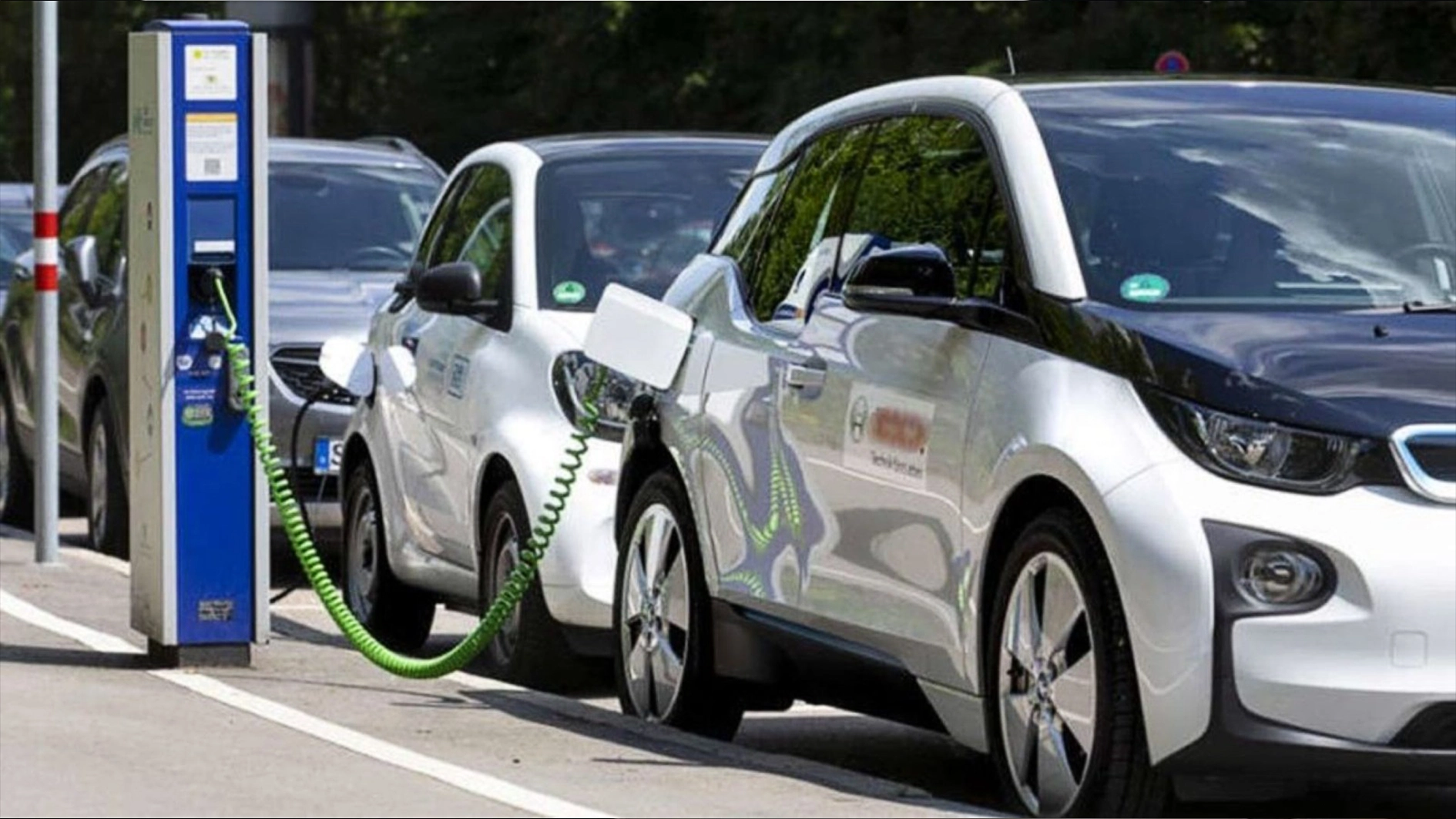
Global goods trade rose to about $13.7 trillion in H1 2026, representing a 12.5 per cent increase compared with the same period in 2025.
This is according to the recent United Nations Conference on Trade and Development’s (UNCTAD) report titled: ‘Global trade continues to expand amid rising price pressures.’
The body said the increase was supported in part by higher prices, while global services trade grew more slowly, rising 10.5 per cent compared with H1 2025.
The strong performance in goods trade was supported by robust activity in East Asia and strong demand for AI- and electric vehicle-related products, including critical minerals and semiconductors.
UNCTAD said global goods trade recorded strong growth in H1 2026, with developing economies in East Asia playing a major role in the expansion.
With global services trade increasing by 10.5 per cent over the same period; critical minerals recorded a 38 per cent growth in Q1, while semiconductors increased by 25 per cent.

Batteries grew by 15 per cent, ICT goods by 14 per cent and electric cars by 11 per cent.
UNCTAD said trade by developing economies and South-South trade recorded double-digit growth over the past 12 months when East Asian economies were included.
Trade growth in Q1 was primarily driven by developing economies in East Asia, which recorded double-digit quarterly growth, while other Asian subregions experienced negative quarterly growth.
Excluding East Asia, developing economies as a group recorded an overall contraction in trade in the quarter.
The contraction was largely linked to reduced imports and exports from the Middle East and South Asia just as developed economies maintained a similar pace of positive quarterly trade growth as in the previous quarter.
Intra-regional trade expanded in most regions, although it remained weak in South America.
Over the past 12 months, import growth was particularly strong in Africa, East Asia and Europe, with these regions also recording robust growth in intra-regional trade.
In May, the organisation raised concerns that least developed countries (LDCs) are losing about 10 per cent of their exports to G20 economies due to their inability to comply with increasingly complex non-tariff measures (NTMs).
According to UNCTAD, while global attention has largely focused on tariff-related tensions following the 2025 trade disruptions, non-tariff measures have now become the dominant driver of trade costs for most economies, particularly developing countries.
In April, the agency stated that global trade recorded a notable upswing last year, driven largely by strong manufacturing activity, which expanded by 11 per cent.

