 Follow Us on Google News
 Follow Us on Google Discover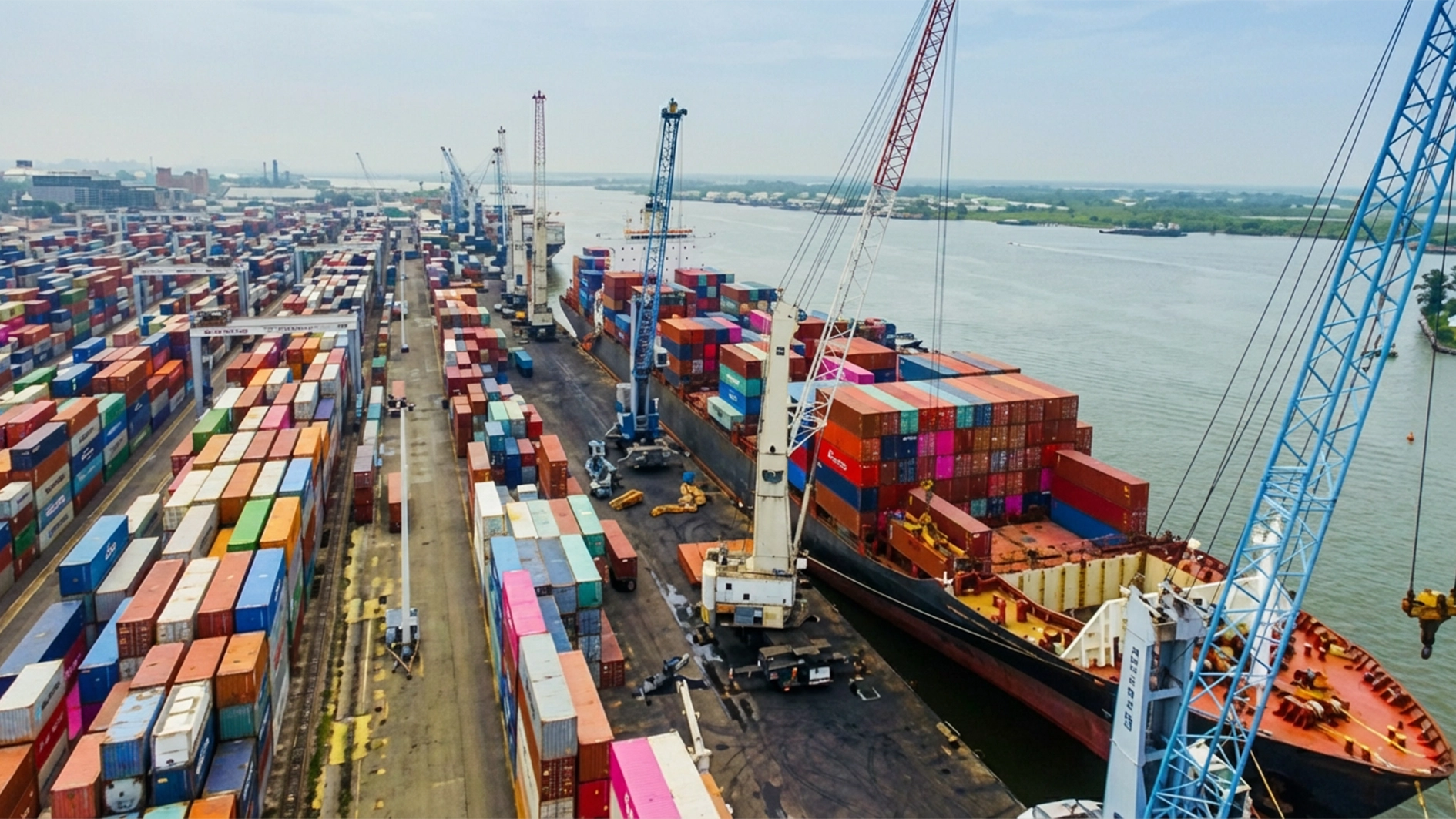
Industry operators have stressed the need to expose and equip young writers with adequate maritime knowledge and first-hand experience to enable them to produce authentic stories about the benefits of a sector that remains unfamiliar to many Nigerians.
According to them, rather than writing about ships, cargo, terminals and seafarers from a distance, writers must experience the environment in which Nigeria’s maritime trade takes place and observe the workforce and infrastructure that keep the country’s maritime gateway moving.
This was emphasised at the 2026 Maritime Writes Project (MWP) Creative Writing Bootcamp, where participants were immersed in different aspects of the country’s maritime ecosystem, including the Naval Dockyard for shipbuilding and repairs, commercial port operations at Apapa Port and naval activities aboard the Nigerian Navy Ship (NNS) Centenary.
The Port Manager, Lagos Ports Complex, Debo Lawal, led the participants on a tour of Apapa Port, providing context to the operations and activities they encountered within the complex.
Lawal urged the writers to portray the maritime sector as an industry capable of accommodating diverse talents and career paths, including the growing participation of women in operational and technical roles.
Project Coordinator, Ezinne Azunna, explained that MWP was created to bridge creative writing and maritime awareness by exposing young writers to maritime professionals, facilities and communities.

Azunna said the experiential visits form part of MWP’s distinctive approach to maritime storytelling, exposing writers to the people, infrastructure, processes and realities behind an industry they are expected to document.
She said the theme of the bootcamp, ‘Voyages Through Chokepoints: Power, Passage and Life at Sea’, challenged participants to look beyond conventional maritime narratives and explore the connections between global trade, economic power, human movement, communities and the waterways that link them.
The project coordinator added that the writers’ experience aboard the vessel broadened their understanding of the responsibilities associated with safeguarding Nigeria’s waters, exposing them to the Navy’s operational environment and the role of naval assets in maritime security, surveillance and the protection of the country’s territorial and economic interests.
Azunna said the sessions provided the technical and human context participants needed to interpret what they encountered during their field visits and translate those experiences into compelling narratives.

