 Follow Us on Google News
 Follow Us on Google Discover
The Nigerian-Canadian journalist and author speaks about ambition, migration, grief, the body and why survival does not have to end in completion
Most narratives of survival are written backwards: the ending reorganises the chaos, the lesson becomes visible, and the person who endured it appears before us resolved. Of Dreams and Quiet Wars: Whispers I Gathered in the Dark refuses that arrangement.
Written across eight years, Annabel Oromoni’s debut collection preserves the unevenness of a life still unfolding. An essay gives way to a poem; a letter ends where explanation fails; a fragment carries what a longer account might flatten. The collection does not turn pain into proof of transformation or insist that experience must become orderly before it can become meaningful. Instead, it asks what it means to keep becoming without disappearing into the versions of ourselves the world finds easiest to understand.
As a journalist, Oromoni has spent years examining the stories institutions tell about power, identity and public life. In the writing that became this collection, that attention turns inward, towards tensions official accounts rarely capture: ambition that offers freedom while teaching a person to override the body’s warnings; migration that creates possibility while complicating home; love that can be sincere without becoming understanding; and grief that alters a life without becoming its final meaning.
Across the collection, the body is both intimate and political: a keeper of memory and a site of pain, shaped by workplaces, families, lovers and institutions. Oromoni writes from inside these tensions rather than from the safety of having resolved them.
A Nigerian-Canadian journalist, writer and founder of Axium Narrative, Oromoni moves between the artist and the strategist, the private person and the public writer. Making Of Dreams and Quiet Wars Axium Narrative’s inaugural title turns the collection into both a literary debut and an act of authorship on her own terms.
Ahead of the book’s August 21 publication, Oromoni speaks with Guardian Life about success, the body, migration and belonging, love, grief, form and what it means to remain unfinished. The conversation seeks recognition rather than resolution: how do we tell the truth about a life without pretending it has reached its final form?
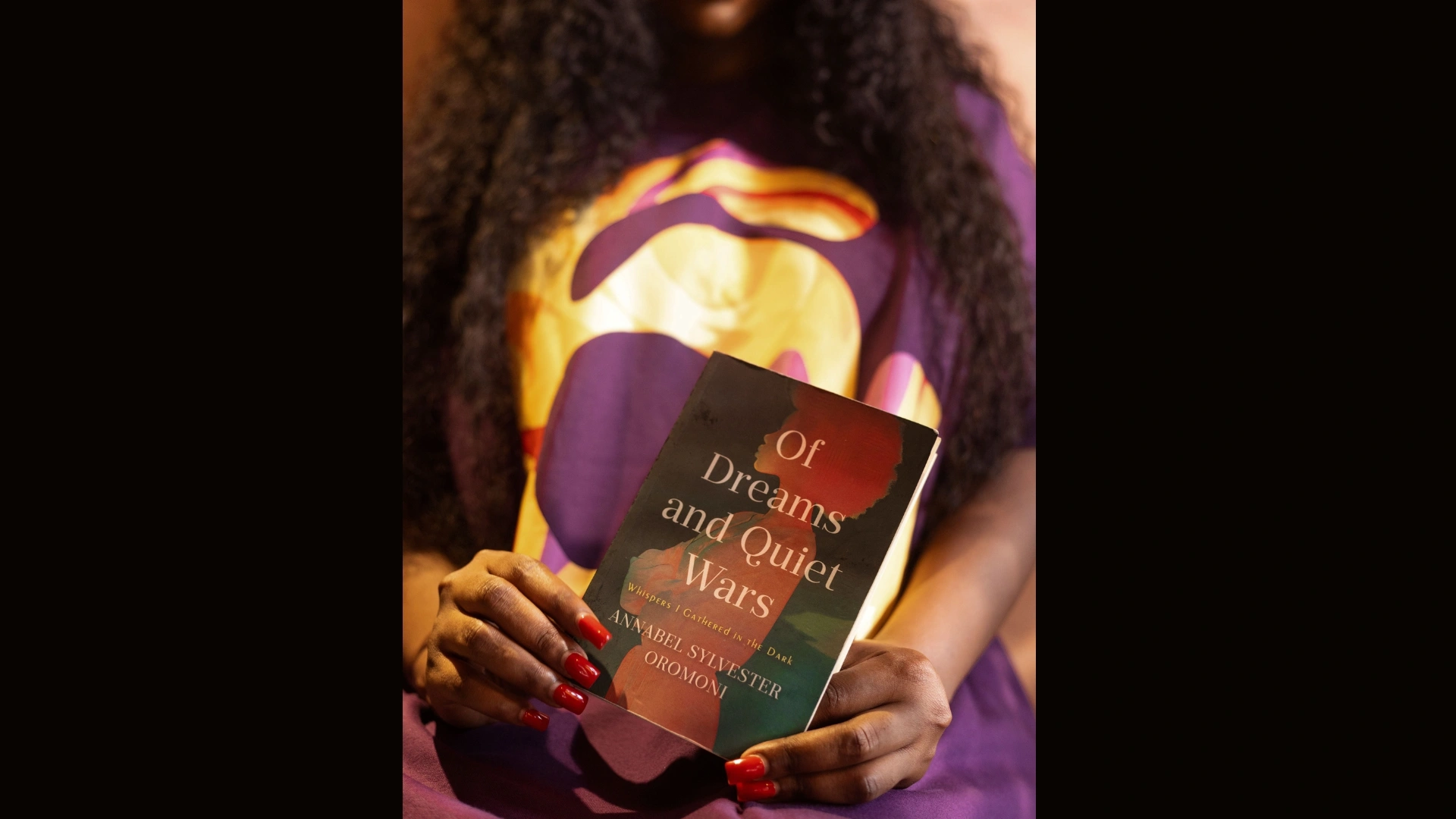
The book began as private writing rather than a publishing project. What were you trying to make legible to yourself in those earliest pages, and when did you realise the writing had become something more than a means of survival?
I think I was trying to make my inner life legible to myself. Not the facts of what was happening, but what those experiences were asking of me. Writing became a way of paying attention before it became a way of telling stories. It gave me somewhere to stay with questions rather than rush towards answers.
Those early pages weren’t written with an audience in mind. They were where contradiction could exist without immediately needing to be resolved. I could hold ambition beside exhaustion, love beside disappointment, certainty beside doubt, without forcing one feeling to cancel out another.
I don’t think there was a single moment when the writing became literature. It happened gradually, as pieces written years apart began returning to the same questions from different angles. I was no longer simply keeping a private record; I was building a language for questions I suspected weren’t mine alone. That was when I understood there was a book.
In parts of the book, ambition is a lifeline: education, stability and professional success represent freedom. Later, “enough” becomes a rebellion against endless expansion. Did writing the collection change your definition of success, or reveal the cost of the one you inherited?
Writing the collection did both: it revealed the cost of the definition of success I had inherited, then forced me to decide whether I still wanted to live by it.
For a long time, success represented freedom. Education, stability and professional achievement offered a way out of uncertainty, so ambition felt less like vanity than survival. The problem was that a definition built around escape did not know when to stop. Each achievement became evidence that I should be capable of more. Rest began to feel like carelessness; satisfaction, like a failure of imagination.
The writing made that pattern harder to ignore. I had treated my body as something that carried my ambitions rather than as part of the life those ambitions were supposed to make possible. At some point, the body starts paying for a definition of success it never agreed to. The question became not simply, What else can I become? but, What kind of life is all of this in service of?
The collection did not make me less ambitious. It made me more suspicious of ambition that requires permanent dissatisfaction. “Enough” stopped sounding like resignation and started sounding like discernment: a refusal to build a life in which my worth depends on constant expansion.
I still care deeply about excellence. But I now measure success partly by whether what I am building leaves room for health, faith, relationships, attention and a life I can actually inhabit.
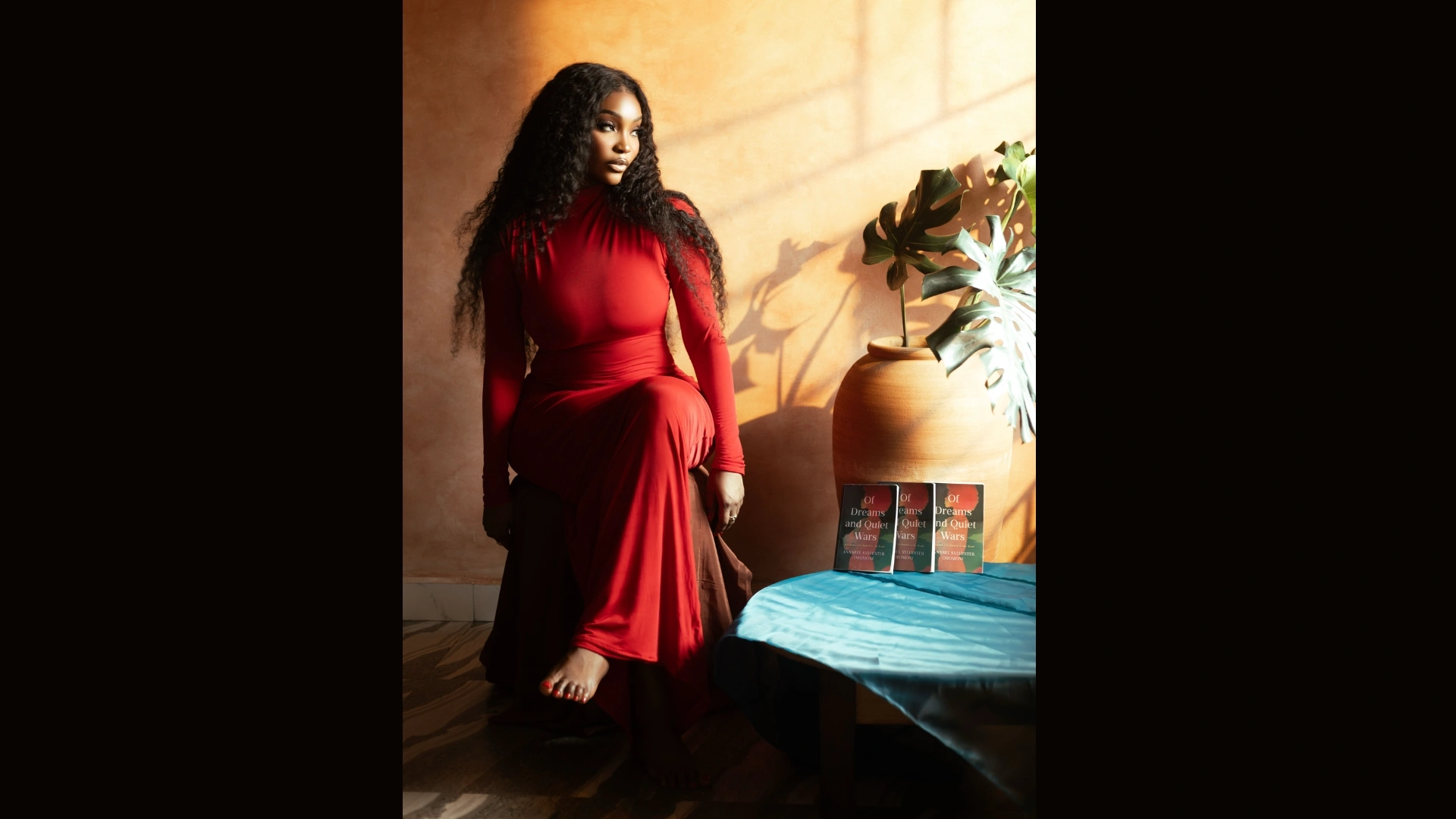
The collection returns to home as family, language, rest, memory and the experience of being known. How has migration changed your definition of home, and what do Nigeria, Lagos and Toronto each hold within it?
Migration has made home less stable as a location and more demanding as a practice. I still think place matters, but I no longer think home is something you either have or lose. It is something you keep negotiating.
Nigeria is inheritance for me. It is family, language, faith, memory, obligation and the first set of meanings through which I understood the world. Lagos makes that inheritance immediate. It is a place that can exhaust you and still feel like part of your emotional vocabulary. It also feels like a city that understands both my ambition and my contradictions, which is probably why my relationship with it remains so strong.
Toronto has shaped me differently. It is where I grew into adulthood, learned independence, built relationships and became more deliberate about the person I wanted to be. It gave me distance from some of the expectations I had inherited, but it also made me more conscious of what I had carried with me.
Home, then, is no longer a matter of choosing one place over another. I find it in the people, languages, rituals and relationships that allow me to feel connected to myself. It can be inherited, but it also has to be made and remade.
I know I belong when the labour of constantly translating or defending myself begins to fall away—when I can arrive as a whole person rather than as the version of myself a place finds easiest to accept.
The book moves from intimate reflection into critiques of capitalism, anti-Blackness, professional power and Nigeria’s political failures. Do you see the personal and political as separate modes of writing, or different scales of the same story?
I experience them as different scales of the same story. The political often enters our lives before we have the language to recognise it as political. One of the poems in the book was written in response to a massacre. Something that enters public life as news can enter private life as fear, grief, memory and anger.
Capitalism can appear as an inability to rest. Anti-Blackness can shape how a person enters a room or learns to make themselves acceptable. Professional power can determine whose pain is taken seriously, who is allowed to make mistakes and who must remain exceptional simply to be considered competent. Political failure can sound abstract until it enters a household and changes what a family is forced to carry.
The personal is usually my point of entry, not the limit of the inquiry. I follow a feeling or experience outward and ask: What helped produce this? What made it possible? Who benefits when we treat it as private?
Writing only at the personal scale can make structural harm look like individual failure, while writing only at the political scale can make people disappear inside arguments. Journalism asks what happened, who is responsible and what can be verified; literary writing asks what it felt like to live through those realities and what remains once the facts have been established. I need both ways of seeing.
Across the collection, pain is never entirely private: the body is also negotiating workplaces, expectations and systems that reward productivity. When did you realise the conflict was not simply between you and your body, but between your body and the world around it?
I came to it gradually, as I began to notice how often pain was measured against productivity and treated as an inconvenience rather than information.
For a long time, pain felt like a private problem. If I was exhausted, unwell or unable to keep pace with my ambitions, my instinct was to ask what I needed to fix. I thought exhaustion meant I needed more discipline and pain meant I needed more resilience. It took longer to consider that my body might be responding rationally to unreasonable demands.
The world around me had very little patience for a body that needed interruption, adjustment or rest. Work still had deadlines. Ambition still had expectations. Endurance was admired, while the ability to ignore the body was often mistaken for strength. Writing helped me see that the conflict was also between a changing body and a world built around the fantasy of uninterrupted capacity.
I stopped seeing the body only as a medical object. It became the place where those expectations collide. It remembers what we ask it to forget. Sometimes what we describe as personal failure is simply the body declining to participate in a definition of success that has become unliveable.
Writing also made me see how often bodies become public projects: corrected, admired, desired, judged, medicalised, racialised and interpreted before they are simply allowed to belong to the person living inside them. Reclaiming authority did not mean controlling my body. It meant trusting its knowledge and believing my own experience of it. That felt less like mastering the body than finally listening to it.
The collection often portrays love through translation: food, saved seats, hair braided by a friend, gifts that miss the point, unsent messages and silences that still communicate. What distinction does the book make between being loved, desired and understood?
The book treats being loved, desired and understood as connected, but not the same.
Desire can make you feel visible, though sometimes only as the version someone is drawn to. Love can be sincere and still misread you. Someone can care deeply and offer what they believe love should look like while missing what actually makes you feel safe, supported or known.
That is why love in the collection often appears through translation. A meal, a saved seat, braided hair, a gift or even a silence can carry affection. But translation can fail. People can love one another and still speak in ways the other person cannot receive. Sometimes gestures reveal as much distance as they do care.
Understanding asks for a different kind of attention. It is not necessarily being agreed with or perfectly known; it is feeling that someone can see you beyond their need for you.
Desire asks, What do I want from this person? Love asks, How do I care for them? Understanding asks, Who are they now, and am I still willing to keep learning them?
Because people change, understanding means meeting who they become rather than insisting they remain the person we first learned to love. That may be why it is so rare for all three to arrive together: to be wanted, cared for and accurately known.
Grief in the collection is not treated as a wound that closes or a stage a person completes. What did you want the grief section to make visible about living alongside loss?
I wanted the grief section to make visible that grief is not the opposite of living. It becomes part of how a person lives.
It alters time, memory and the body, but it also changes love. A relationship does not simply end; it takes another form through remembrance, ritual, language and the habits a person leaves behind.
That is why the language of moving on or finding closure has never felt true to me. Love does not end simply because a life does. Grief is not a single emotional event but an ongoing relationship. It reshapes the way you remember and imagine the future. I wanted to make room for people continuing while carrying something that cannot be repaired or replaced. A life can expand around loss without leaving it behind.
That is also why ritual matters in the collection. Explanation helps me understand what has happened; ritual helps me live with it. Prayer reminds me that I am not self-sufficient. Music can reach places language cannot. Laughter interrupts despair without denying it. Sisterhood reminds me that difficult lives are easier to inhabit when they are shared.
I wanted to resist the idea that healing always arrives through insight. Sometimes it comes through repetition: showing up again tomorrow, making tea, singing a familiar song or calling my sisters. Those acts do not remove suffering, but they keep it from becoming the whole story.
The book resists a single category: essays sit beside poems, reflections beside letters, and fragments sometimes open into philosophy. How did you learn to recognise the form an experience was asking for, and did form ever change what you understood about the memory itself?
I learned to recognise form by paying attention to what the material resisted. Some experiences needed context, argument and time, so they became essays. Others were addressed to a particular person, even if that person would never read them, so they became letters. Some arrived first as an image, a rhythm or a single line. When prose made them feel over-explained, they became poems or fragments.
At first, I thought form was simply the container I chose once I understood what I wanted to say. Over time, I realised that form also produces understanding. An essay asks me to trace patterns and consequences. A letter makes me confront who I am speaking to and what I still want from them. A fragment preserves the incompleteness of a memory rather than pretending it has become whole.
Changing the form often changed what I understood. Prose’s instinct towards sequence, this happened, then this, therefore this, could make a memory appear more settled than it was. Poetry allowed images, silences and conflicting feelings to remain beside one another without being forced into a conclusion. Sometimes meaning became clearer when I stopped asking a piece to explain itself and allowed it to remain partial.
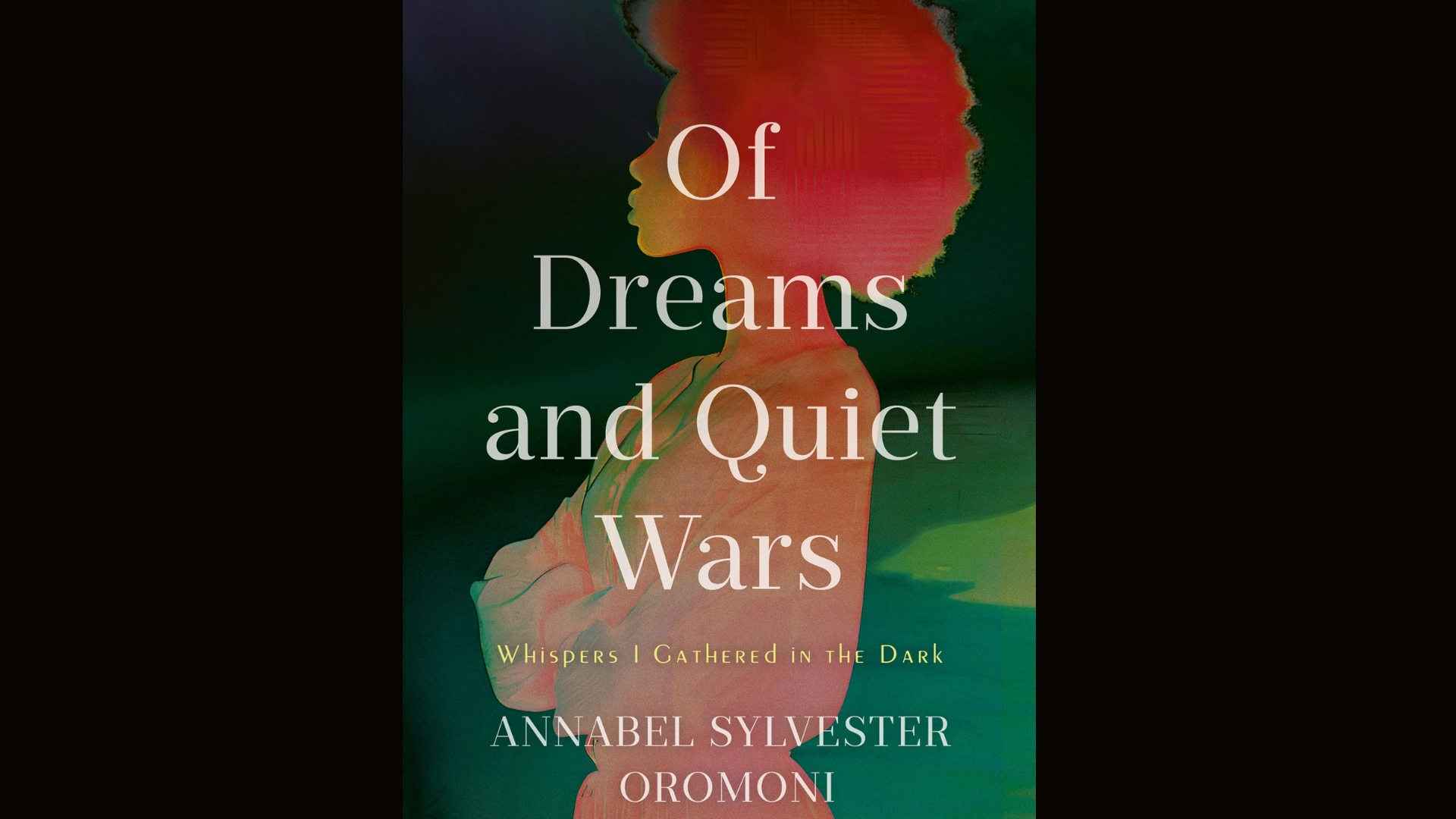
Publishing the collection as Axium Narrative’s first title made you both writer and publisher. How did you keep the publisher from silencing the writer?
I had to learn not to let both roles speak at the same time.
While writing, I could not allow the imagined market into every sentence. If I started asking how something would be positioned before I understood what I was trying to say, the writing became safer and less alive. The publisher entered later to ask about structure, repetition, privacy, pacing and how a reader might enter the work.
The writer also could not treat intimacy as protection from editorial judgement. Something being emotionally significant to me did not automatically mean it belonged in the book.
Making it Axium Narrative’s first title intensified the tension because the book was also introducing the company. The balance came when I stopped seeing the publisher as the part of me responsible for containing the writer. The publisher’s role was to help the work reach readers without flattening it; the writer’s was to accept discipline without surrendering complexity.
The book moves through Roots and Identity, Love and Longing, Breaking and Mending, and Iron and Silk, but ends with “The Unfinished Self.” Were you consciously resisting the expectation that a book shaped by survival must end in completion, closure or cure?
Yes. I wanted to resist the expectation that a book shaped by survival must reward the reader with a cured or completed person.
A completed arc can be satisfying on the page, but it can also make a life appear more orderly than it was. It suggests that suffering has done its work, the lesson has been learned and the self who endured it has arrived somewhere permanent. That was not true of my experience.
“The Unfinished Self” became a way of distinguishing an ending from a conclusion. The collection ends, but the person inside it continues. Some things have healed. Some remain difficult. Others are still changing meaning. There is growth, but no final state.
I did not want unfinishedness to feel like a lack. To be unfinished is to remain capable of surprise, revision and possibility. It means the past has shaped you without acquiring the authority to determine every version of you that comes next.
The final pages address the reader almost as someone who has walked beside you through the book. When they close it, what do you hope becomes possible in their own life, beyond simply understanding yours?
I hope they feel accompanied back into their own lives.
The details of our lives may differ, but I hope readers recognise the feeling of trying to become while carrying grief, ambition, faith, uncertainty or the desire to belong. I hope that recognition makes something in their own experience feel less strange or solitary.
Beyond that, I hope the book leaves them with more permission than certainty: permission to reconsider what they have been taught to call strength, to take their body seriously, to accept that contradictory truths can coexist and to stop treating unfinishedness as failure.
I do not expect a book to tell someone how to live. But I do think it can help them hear what their own life has been saying more clearly.

