 Follow Us on Google News


 Follow Us on Google Discover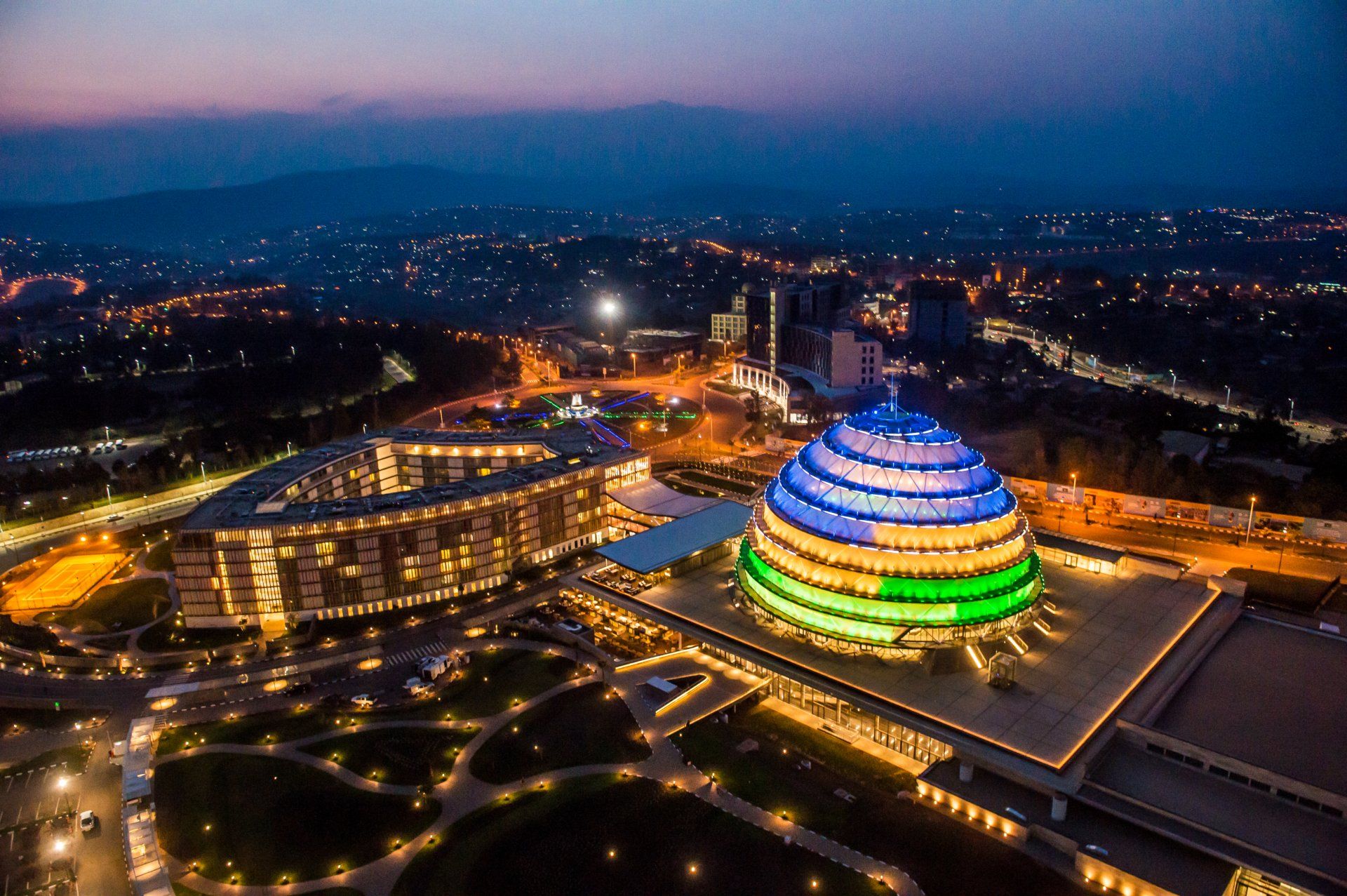
By Tayo Ogunbiyi
From the scars of genocide to clean streets, orderly citizens, seamless mobility, and a booming tourism culture, a few days in Kigali, Rwanda’s capital, offered me an unforgettable lesson in urban transformation.
There are cities you visit. There are cities you experience. And then some cities make you pause, look around, and ask yourself a simple but unsettling question: How did they do it?
For me, Kigali was that kind of city. By the time I arrived in Rwanda’s capital, I had heard about its cleanliness. I had read about its remarkable recovery from the 1994 Genocide against the Tutsi. I knew it was emerging as one of Africa’s increasingly important business, conference and tourism destinations.
But knowing is one thing. Seeing is another. Within a short while of moving through Kigali, I found myself looking out of the window repeatedly. The streets were clean. Not clean by African standards. Just clean.
The roads were remarkably orderly. Traffic moved with a sense of discipline. Public spaces appeared cared for. Buildings, streets and neighbourhoods seemed to exist within a larger urban rhythm. There was little of the chaotic spectacle that often accompanies life in many rapidly expanding African cities.

And perhaps most striking of all was the attitude of the people. There was an unmistakable sense of order. People were friendly, polite and accommodating, yet there was also a quiet discipline in the way they conducted themselves. The city did not feel as though it was constantly struggling against itself.
It felt organised. It felt intentional. It felt like a city that had decided what it wanted to become — and was steadily becoming it.
The cleanliness of Kigali did not appear to have been created solely for tourists. It seemed woven into the everyday life of the city. And that is important. Because a clean city is ultimately not created by government alone. Government can provide waste collection systems, enforce environmental regulations, build infrastructure, and maintain public spaces. But citizens must also embrace it.
Kigali appeared to understand that equation. The city seemed to have turned cleanliness from an occasional campaign into a civic expectation.
Yet beneath Kigali’s polished appearance lies a history that is impossible to ignore. This is a city that carries the memory of one of the most horrific chapters in modern African history.
In 1994, Rwanda was devastated by genocide. In approximately 100 days, an estimated 800,000 people were killed, most of them Tutsi, alongside moderate Hutu who were also targeted.
The physical Kigali of today can make it easy for a first-time visitor to forget how profoundly broken the country was once.
But Rwanda has not forgotten. That, perhaps, is one of the most remarkable things about the country.
The past has not been erased. It has been confronted.
The famous motorcycle taxis — motos — are not simply a means of getting around. They are part of the city’s urban identity. Helmets are expected. Passengers wear helmets.
There is a sense that transportation is not merely about getting from Point A to Point B; it is also about creating a system in which safety, discipline and convenience matter.
No wonder Kigali is now becoming increasingly visible on the global tourism map.
Visitors come not only because Rwanda is beautiful, but because the country has successfully positioned itself as a destination for several different experiences — nature, wildlife, culture, conferences, business and leisure.
And Kigali is the gateway. The city has hotels, restaurants, cultural spaces, conference facilities and an increasingly sophisticated hospitality industry.
Kigali is not perfect. No city is. But Kigali is proof that cities can change. Countries can recover. Citizens can rebuild trust. And nations can move from the darkest chapters of their history towards a new narrative.
As my stay drew to an end, I found myself thinking less about Kigali’s roads and more about its story. A city associated with tragedy has become associated with tourism.
A country associated with genocide has become associated with recovery. A people who experienced extraordinary violence have built a society increasingly identified with order and stability. That transformation deserves attention.
It also deserves humility. Again, no country is perfect. No city has solved every problem. Rwanda has its own debates, challenges, and contradictions. But none of that diminishes what a visitor can learn from the country’s remarkable journey. Kigali’s greatest attraction may not be its hills. It may not be its roads. It may not even be its cleanliness. It may be its refusal to surrender to history.
The city seems to say, quietly but firmly: We know what happened to us. We remember. But we are not going to die there. And perhaps that is the real story of Kigali. Not a story about a spotless African capital. Not simply a story about efficient transportation. Not merely a story about tourism.
It is a story about resilience. About rebuilding. About civic responsibility. About leadership. About collective will. About people who looked at the ruins of their past and decided to construct a different future.
When I finally left Kigali, I realised that I had not merely visited another country. I had an idea. The idea that cities can reinvent themselves. That nations can rise from unimaginable devastation. That order can become culture. That cleanliness can become identity. That tourism can become an instrument of economic transformation.
That memory and progress do not have to be enemies. And that Africa’s future may be brighter when its cities learn from one another. Perhaps the greatest competition among African cities should not be about which is the biggest or richest, but about which can offer its people the best quality of urban life. That is a competition Africa should welcome. And Kigali has certainly entered it.
As my brief Kigali sojourn came to an end, I found myself taking one last look at the streets, the people, and the orderly movement around me. I thought about the Rwanda of 1994. Then I looked at the Rwanda of today. The distance between the two is enormous.
And perhaps the greatest story Kigali tells is not about how clean its streets are. It is about what happens when a people decide that their past may explain them, but it will not define them.
Kigali is still rising. Quietly. Confidently. And unmistakably.
*Ogunbiyi wrote in from Alausa, Ikeja, Lagos*

