 Follow Us on Google News


 Follow Us on Google Discover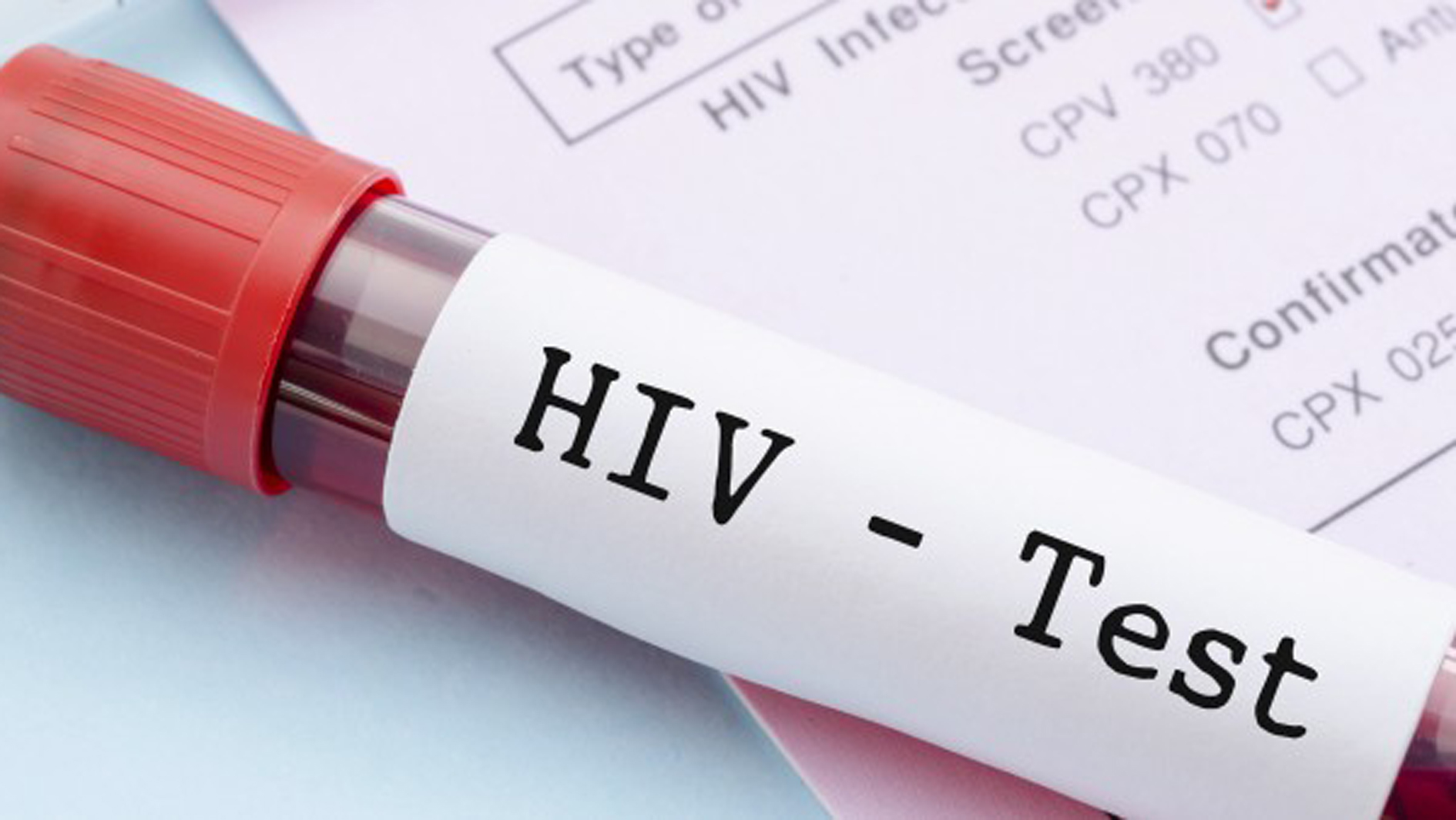
The Federal Government has commenced the 2026 Integrated Biological and Behavioural Surveillance Survey (IBBSS), targeting fresh data to strengthen HIV prevention and response among key populations across the country.
The survey, being implemented simultaneously in 12 states, is expected to generate current behavioural and biological data on HIV, including information on risk behaviours, access to prevention and care services, HIV status awareness and treatment uptake.
The exercise was disclosed in Ibadan during the training of stakeholders for the Oyo State component of the survey, held at the Development Support Centre (DSC), Iyaganku.
Representing the Director-General of the National Agency for the Control of AIDS (NACA), Dr. Temitope Ilori, Mr. Joseph Terry described the IBBSS as a national government survey whose protocol had been reviewed by the IBBSS Technical Working Group and approved by the Federal Ministry of Health.
He urged implementing teams to strictly adhere to the approved protocol and ensure proper documentation of all activities.
Terry noted that the exercise, supported by the Global Fund, was subject to strict financial and accountability requirements, stressing that comprehensive documentation would be critical to the release of funds tied to implementation milestones.

He also called for close collaboration among the Oyo State Agency for the Control of AIDS (OYSACA), the West Africa Centre for Public Health and Development (WACPHD) and other stakeholders to ensure credible findings capable of supporting health policy and decision-making.
The Chairman of OYSACA, Dr. Gbola Adetunji, said the survey would provide evidence required to understand emerging HIV trends, identify service gaps and guide resource allocation.
According to him, the 2026 IBBSS would focus on key populations, including female sex workers (FSW), men who have sex with men (MSM) and people who inject drugs (PWID).
He said findings from previous rounds had shown a significant HIV burden among key populations, making updated data essential for assessing the impact of interventions and shaping future programmes.
Adetunji stressed the need for stronger community participation, saying key population communities should be treated as partners in the HIV response rather than merely respondents.
He urged field and technical teams to conduct a credible, ethical and high-quality exercise while calling on community representatives to create an environment where participants could provide accurate information without fear, discrimination or stigma.
The WACPHD representative, Mr Chukwebuka Ejeckam, said the organisation was providing technical support for the 2026 IBBSS.
He noted that the 2020 survey recorded HIV prevalence of 15.5 per cent among female sex workers and 10.9 per cent among people who inject drugs, underscoring the need for fresh data to assess progress and determine whether investments in HIV interventions were yielding desired results.
Ejeckam disclosed that about 40 field personnel had been recruited and were undergoing training in Oyo State, comprising 31 personnel for the behavioural component and nine for the biological and serological component, including laboratory personnel and counsellors.
He said the training would be followed by hotspot validation and field activities expected to run for about two months, covering September and October, after which data analysis, report writing and dissemination would commence.
The Oyo State implementation coordinator, Mr. Aduluju Ayodeji, said field teams would cover the three selected key population groups and appealed for the cooperation of community members and eligible participants.
He assured participants that confidentiality would be strictly maintained and that the information collected would be handled responsibly and securely.
The Acting Coordinating Director of OYSACA, Mrs. Fausat Okanlawon, described the IBBSS as more than a routine survey, saying that its findings would serve as a critical guide for Nigeria’s HIV response among key populations.
Also speaking, the representative of the Key Population Secretariat, Mr. Ajani Kayode, commended OYSACA for its support and expressed confidence in the capacity of personnel selected for the exercise.
He pledged the Secretariat’s support for the successful implementation of the survey.

