 Follow Us on Google News
 Follow Us on Google Discover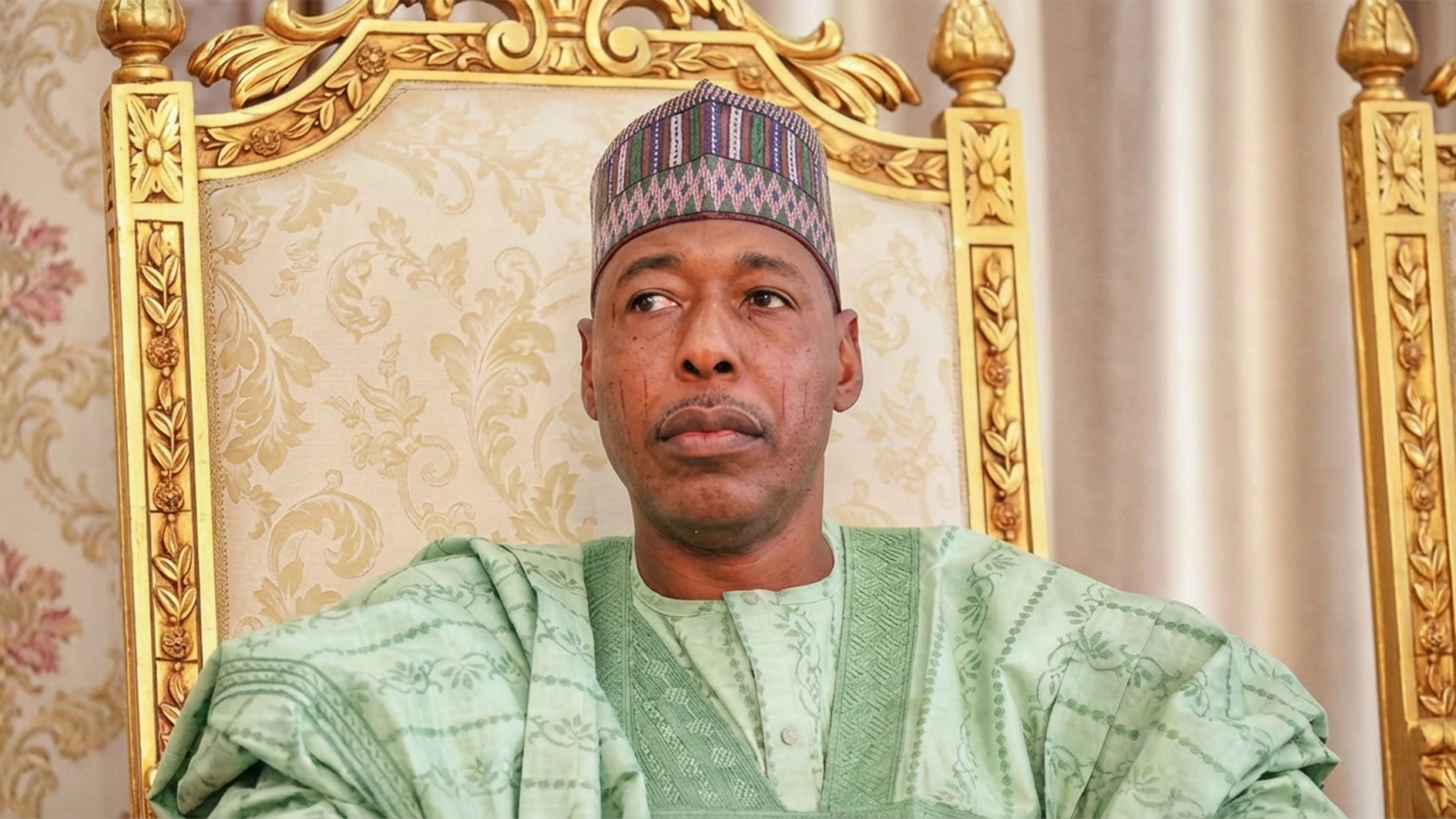
• Ndume urges rescue of 79 abducted schoolchildren
Governor of Borno State, Babagana Zulum, has called for stronger collaboration and co-investment to accelerate the state’s economic recovery and sustainable development, stating that the state spent 70 per cent of its yearly budget in the past seven years on Internally Displaced Persons (IDPs), refugees, reconstruction and livelihood support due to insecurity.
Consequently, he called for support from federal and state governments, the United Nations (UN), development partners, international financial institutions, and the private sector.
Zulum spoke yesterday in Maiduguri at the fourth Board Meeting of the UN Offer Support to the Borno Model (UN Offer) and steering committee meeting of the Peace Building Fund (PBF) of the UN Response to Mass Exits from Insurgency in North-east Nigeria.
In another development, the senator representing Borno South District, Ali Ndume, has tasked the Nigerian military to intensify efforts to rescue the 79 school children and a teacher abducted by insurgents from two communities in Southern Borno.
Ndume spoke during his visit to the Theatre Command, North East Operation Hadin Kai, where he met with the Theatre Commander, Maj.-Gen. Abdulsalam Abubakar.
It will be recalled that 42 pupils were abducted from Mussa Primary and Junior Secondary School in Mussa in May; 36 other students and a teacher were also abducted from Government Day Secondary School, Lassa, in Askira/Uba Local Council Area in another attack in June.
However, Zulum said the expenditure reflected the enormous burden imposed on the state by the Boko Haram insurgency and the need to rebuild affected communities and restore livelihoods.
Zulum expressed appreciation to UN development partners and donors, saying that their support had improved the lives of vulnerable people and communities affected by over a decade of insurgency, moving beyond immediate humanitarian relief to critical areas such as reconciliation, reintegration, livelihood support, social cohesion and institutional strengthening, among others.
Nevertheless, he said priority areas now include rebuilding conflict-affected communities, restoring basic services, expanding education and skills development, creating jobs, supporting women and young people, strengthening local institutions, and enabling displaced and returning residents to rebuild their lives in dignity.
Also speaking, the Minister of Budget and National Planning, Senator Abubakar Bagudu, said Nigeria’s humanitarian and development challenges required sustained international partnership, adding that assistance should align with Nigeria’s national priorities, particularly in education, healthcare, human capital development, climate resilience and economic growth.
Earlier, the UNDP Representative, Elsie Attarfuah, said the Borno Model was increasingly moving from an ambitious shared idea into systems, institutions and tangible results, noting that the emerging legal framework would help institutionalise the initiative.
Also, the UN Resident and Humanitarian Coordinator, Mohamed Fall, explained that the shrinking humanitarian presence and a difficult international financing environment had increased pressure on the affected communities in the Lake Chad Basin and Sahel, listing climate, development and security as key priorities in the transition process.
Meanwhile, in a statement yesterday by his media office, Ndume commended the military for the relative improvement in security across the state and urged the security forces to sustain the momentum and intensify efforts to locate and secure the abductees’ safe return to their families.
Responding, Abubakar assured that the concerns raised over the abducted victims had been noted. He reiterated the commitment of the military and other security agencies to the ongoing operations aimed at protecting communities, stabilising affected areas and facilitating the safe return of persons displaced by years of insurgency.

