 Follow Us on Google News


 Follow Us on Google Discover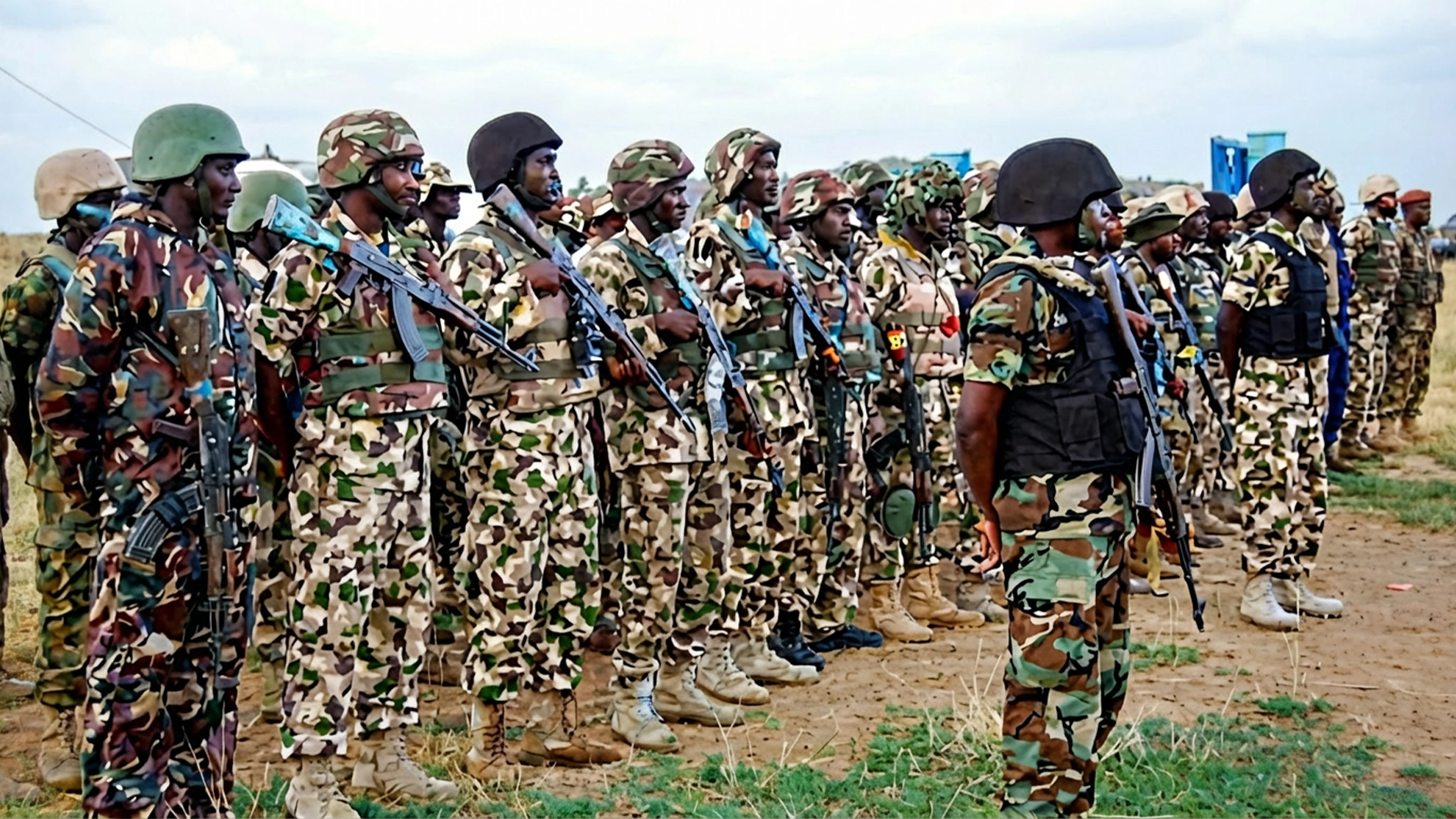
• Sowore clarifies comment on Babangida
A Professor of Political Science at the University of Ibadan, Dr Dhikru Yagboyaju, has warned that Nigeria’s return to democratic rule has not ended the influence of military rule, which he said remains deeply embedded in the country’s political culture, institutions and governance.
He noted that having ruled for 27 out of Nigeria’s 39 years from independence till the return to civilian rule in 1999, its influence on the country’s political development has become difficult to erase.
Presenting the outcome of a study on the military and Nigeria’s democratisation process, Yagboyaju noted that though the military had not held direct political governance since 1999, its influence had continued to shape political developments, including the emergence of political leaders and the conduct of elections.
In another development, the presidential candidate of the African Action Congress (AAC), Omoyele Sowore, has clarified that his comments on the former military president, Gen. Ibrahim Babangida (rtd), were about his record in office and not his age.
Sowore, who was responding to the reproaches by the Labour Party’s 2027 presidential candidate, Yusuf Datti Baba-Ahmed, over his criticism of the former ruler, who recently turned 85, explained in a statement that his criticism was based on issues surrounding Babangida’s years in power.

He argued that Babangida’s advancing age should not prevent Nigerians from examining his records, adding that compassion for an elderly person should not require the public to ignore the consequences of decisions taken while the individual held public office.
He also rejected Baba-Ahmed’s suggestions that his criticism amounted to wishing Babangida ill-health, saying that he wished the former ruler well but would not support what he described as an attempt to rewrite history.
Meanwhile, Yagboyaju said the enduring influence of military culture in the country’s civilian civilisation could be seen not only in politics but also in everyday life, such as the proliferation of “military zone” signs, stickers, camouflage, caps and other military symbols in civilian spaces.
However, he stressed that the military remains a noble profession with the primary responsibility of defending the country’s sovereignty and territorial integrity, and no political mandate to govern.
According to him, the January 1966 coup marked the beginning of a costly experiment that fundamentally altered Nigeria’s political trajectory, particularly when the military administration replaced the country’s federal structure with a unitary system.
He described the decision as evidence of the military’s poor understanding of Nigeria’s diversity, arguing that the country’s complex ethnic and regional composition made centralised governance particularly unsuitable.
Yagboyaju said that, among other things, the military’s intervention also came at a huge cost to its own professional standing, as an institution associated with discipline, precision and professionalism was exposed to corruption, opportunism and incompetence.

