 Follow Us on Google News


 Follow Us on Google Discover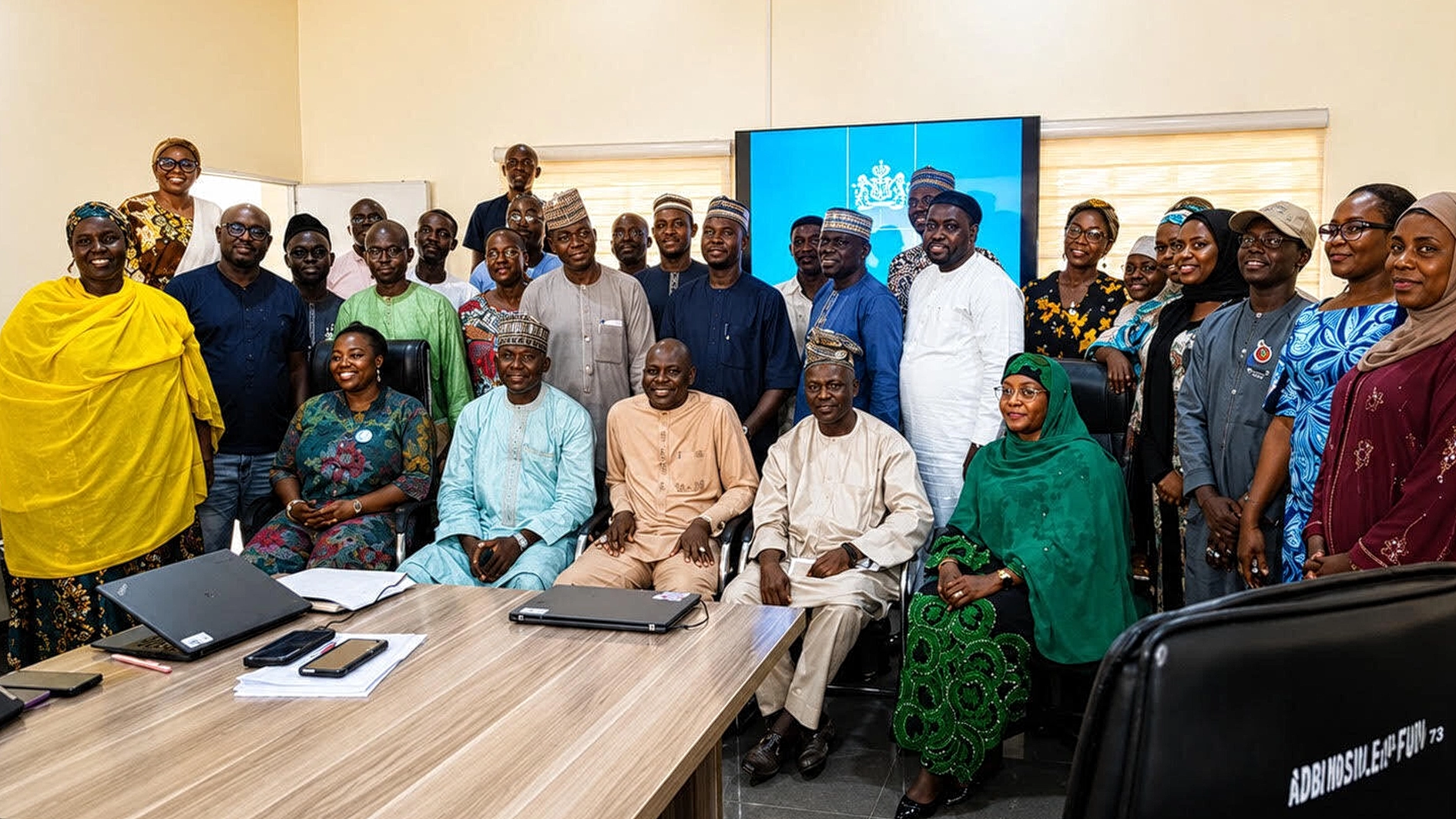
The United Nations Children’s Fund (UNICEF), in partnership with the Adamawa State Government, has called for improved water, sanitation and hygiene (WASH) facilities and increased tree planting to help protect communities from the effects of climate change.
The call was made during a climate change sensitisation session in Yola on Tuesday, where participants stressed the need for water and sanitation facilities capable of remaining functional during floods, droughts and extreme heat.
The General Manager of the Adamawa State Rural Water Supply and Sanitation Agency (ADRUWASSA), Esly Emmanuel, attributed flooding and drought in parts of the state partly to deforestation. He said the government had banned indiscriminate tree felling and invested millions of naira in water supply projects.
UNICEF WASH Officer, Bauchi Field Office, Nambam Dawap, warned that poor water handling could contaminate otherwise safe water through dirty containers, uncovered storage tanks and unsafe transportation.
She urged communities to use clean toilets, end open defecation and practise regular handwashing to prevent diseases.
Dawap also called for water, sanitation and hygiene facilities in schools, communities and health centres to be designed to remain accessible during climate-related emergencies. She advocated the involvement of young people and persons with disabilities in planning such projects.
Professor Abel A. Adebayo of the Department of Geography, Modibbo Adama University, Yola, said changing rainfall patterns and drying vegetation could worsen farmer-herder conflicts and displace communities, leaving children vulnerable to disruptions in education, immunisation, nutrition, water and sanitation services.
Participants urged the government, development partners, communities and the media to strengthen collaboration on climate adaptation, environmental protection, sustainable sanitation and energy solutions.

They also called for climate-resilient seedlings and agricultural practices to help reduce food insecurity and protect communities from the effects of changing weather conditions.
From Joy Dennis, Yola

