 Follow Us on Google News


 Follow Us on Google Discover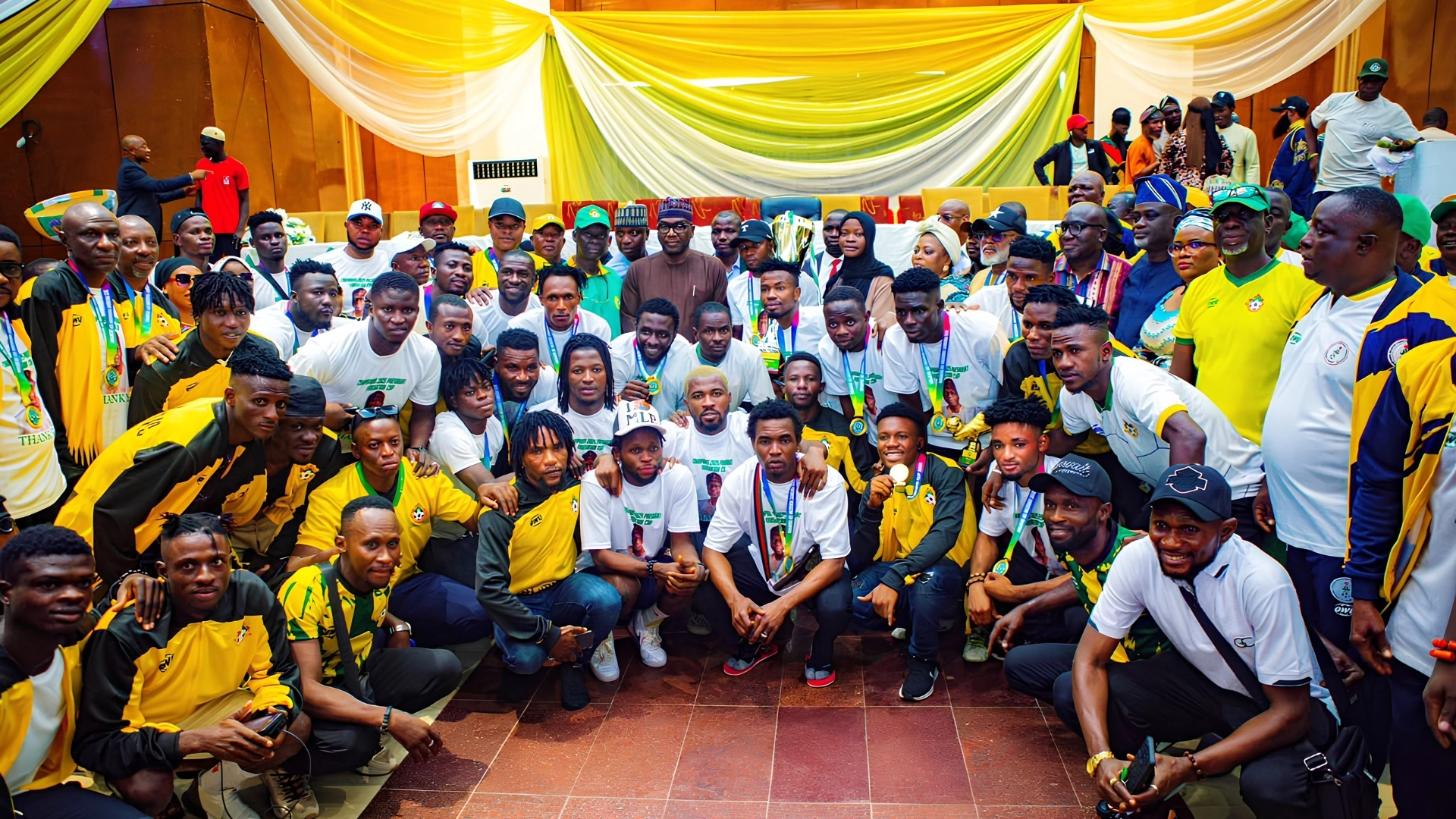
By Kabir Olayinka
There are governors who talk about sports development, and there are governors whose stadiums, trophies and pay slips do the talking for them. Seven years into his administration, Kwara State Governor AbdulRahman AbdulRazaq belongs firmly to the second category.
When AbdulRazaq took office in May 2019, Kwara’s sports sector was a relic. Kwara United limped along as a shadow of itself. The George Agbazika Innih Stadium Complex in Ilorin, once a source of civic pride, had decayed into abandonment. The State Sports Festival had not been held in fifteen years, and Kwara, a state with genuine football pedigree, had been reduced to importing athletes to represent it because it had stopped developing its own.
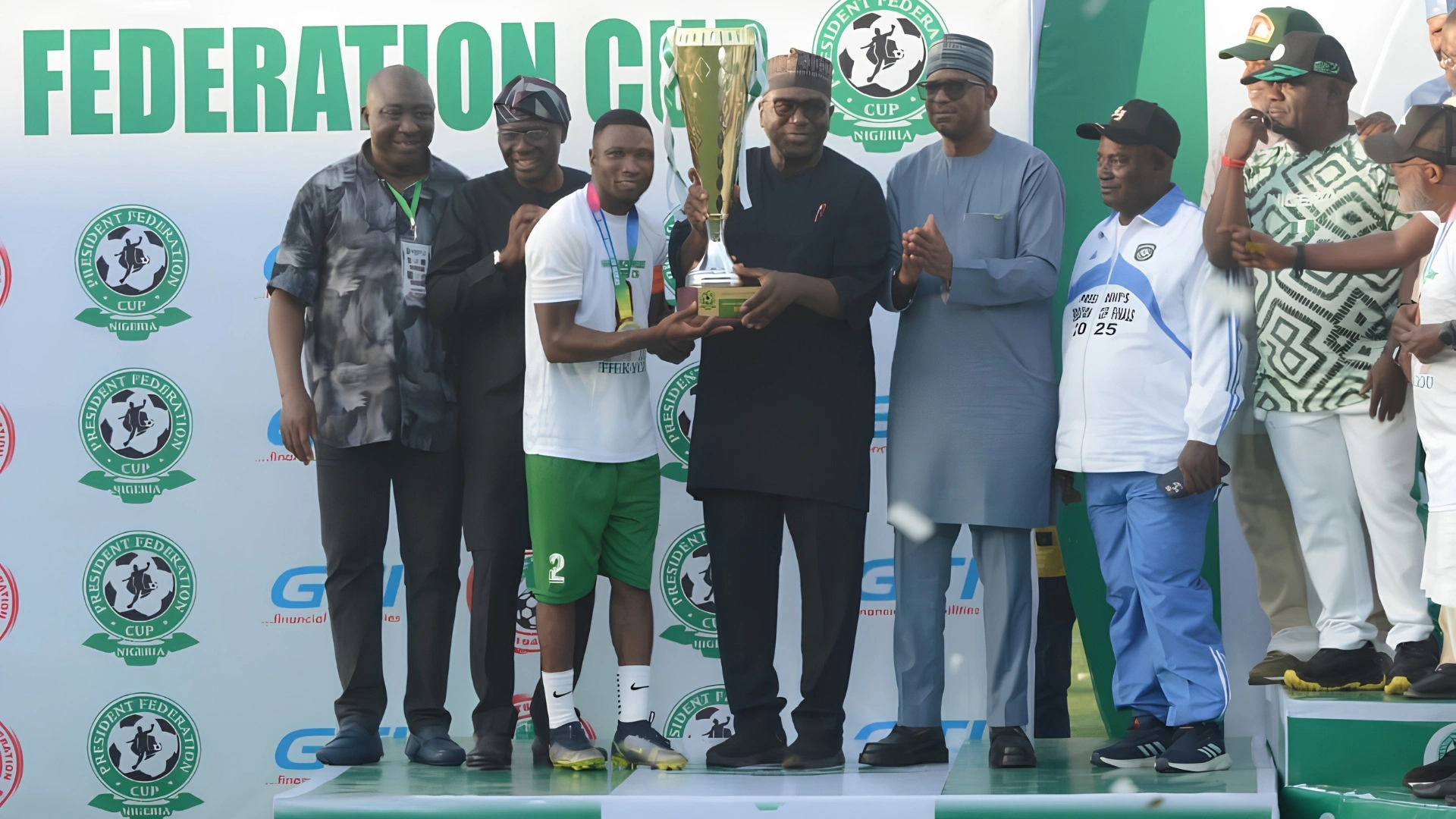
The clearest marker came on 28 June 2025, when Kwara United defeated Abakaliki FC on penalties to lift the President Federation Cup, the club’s first major national trophy since the state’s creation in 1967. It also earned a continental ticket to the CAF Confederation Cup. AbdulRazaq rewarded every senior player with ₦5 million and a plot of land in the Kwara Smart City, and separately received the club’s U-19 side, winners of the inaugural National Youth League, a sign that this was the visible tip of a pipeline running from schoolboy football to continental competition.
Just as significant was the governor clearing a ₦201 million debt in sign-on fees owed to Kwara United players and coaches, a liability that had lingered for sixteen years. In a country where footballers routinely go unpaid for months, settling a debt inherited from predecessors was a quiet but powerful statement about institutional integrity.
That integrity extends to grassroots development. In 2019, the government supplied Kwara United with a new coaster bus, a small but symbolic first act of revival. A year later, it secured federal backing to reposition the long-dormant Kwara Football Academy as a national talent hub. In 2021, the Kwara School Football Challenge brought secondary schools into football, while a partnership with Sportico Africa introduced scouting for talent otherwise invisible to national selectors.

The 2020 revival of the Kwara State Sports Festival, after fifteen years of dormancy, was the centrepiece of this push. Athletes from all sixteen local government areas competed across roughly 26 sports, united by a Torch of Unity carried through every LGA. The governor was explicit about the philosophy: Kwara had been paying to import athletes, and it was time to grow its own instead.
The Pa Gabriel Ladipo Indoor Sports Hall, neglected since the 1970s, has been rehabilitated and handed over to the Kwara State Sports Commission in March 2026, now equipped for basketball, badminton, judo and taekwondo. An eight-winged squash complex, reputed to be among the finest in West Africa, sits alongside a rebuilt Olympic-size swimming pool, a modern table tennis arena and a main bowl renamed for Nigerian football legend Rashidi Yekini, with other sections named for sports pioneers who shaped Kwara’s history.
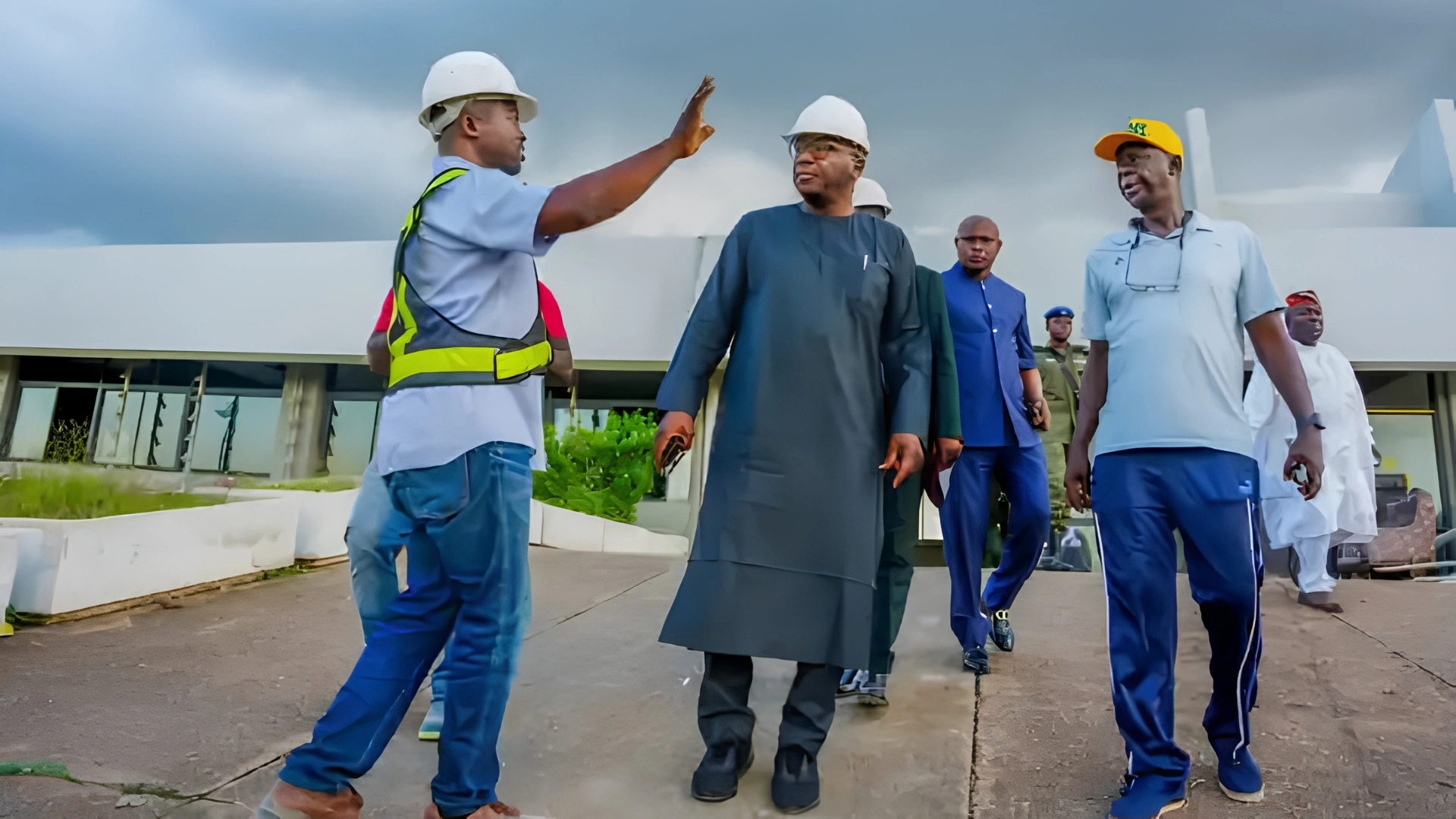
Also, Offa and Lafiagi stadiums have been rehabilitated, and mini-stadiums are rising in Patigi, Tsaragi, Kosobosu, Baruten and Omu-Aran. Kwara has also hosted the 40th Federal Public Service Games, and its upgraded facilities are drawing national events and athletes from outside the state.
The creation of the Kwara State Sports Commission in 2021, under Coach Bola Magaji, replaced bureaucratic drift with structured administration. The results show in the numbers: Kwara rose from 23rd position at the 2018 National Sports Festival to 15th at Edo 2020, and has since climbed further, winning six gold, eleven silver and twelve bronze medals at the 2024 Games in Abeokuta, its best outing in years. Medallists earned cash prizes and, for standout athletes, brand-new cars, an incentive now pulling talent back into the state.
The administration has also resisted treating sports as a football-only affair.
Forty-five Kwara athletes competed at the inaugural Para National Sports Festival in 2022 across nine disciplines. Chess has been earmarked for a dedicated hall promised within the year, and school sports, long abandoned, have been revived with kits distributed to public schools.
As the 8th Kwara State Sports Festival unfolds this August, drawing roughly 700 athletes from all sixteen local government areas, it stands as fitting punctuation to seven years of deliberate investment. AbdulRazaq has built not merely trophies and stadiums, but a pipeline from schoolyard to national stage to continental competition, one other states seeking genuine sports revival would do well to study.
Kabir Olayinka, a public’s affairs commentator, wrote from Ilorin, the Kwara State capital.

