 Follow Us on Google News


 Follow Us on Google Discover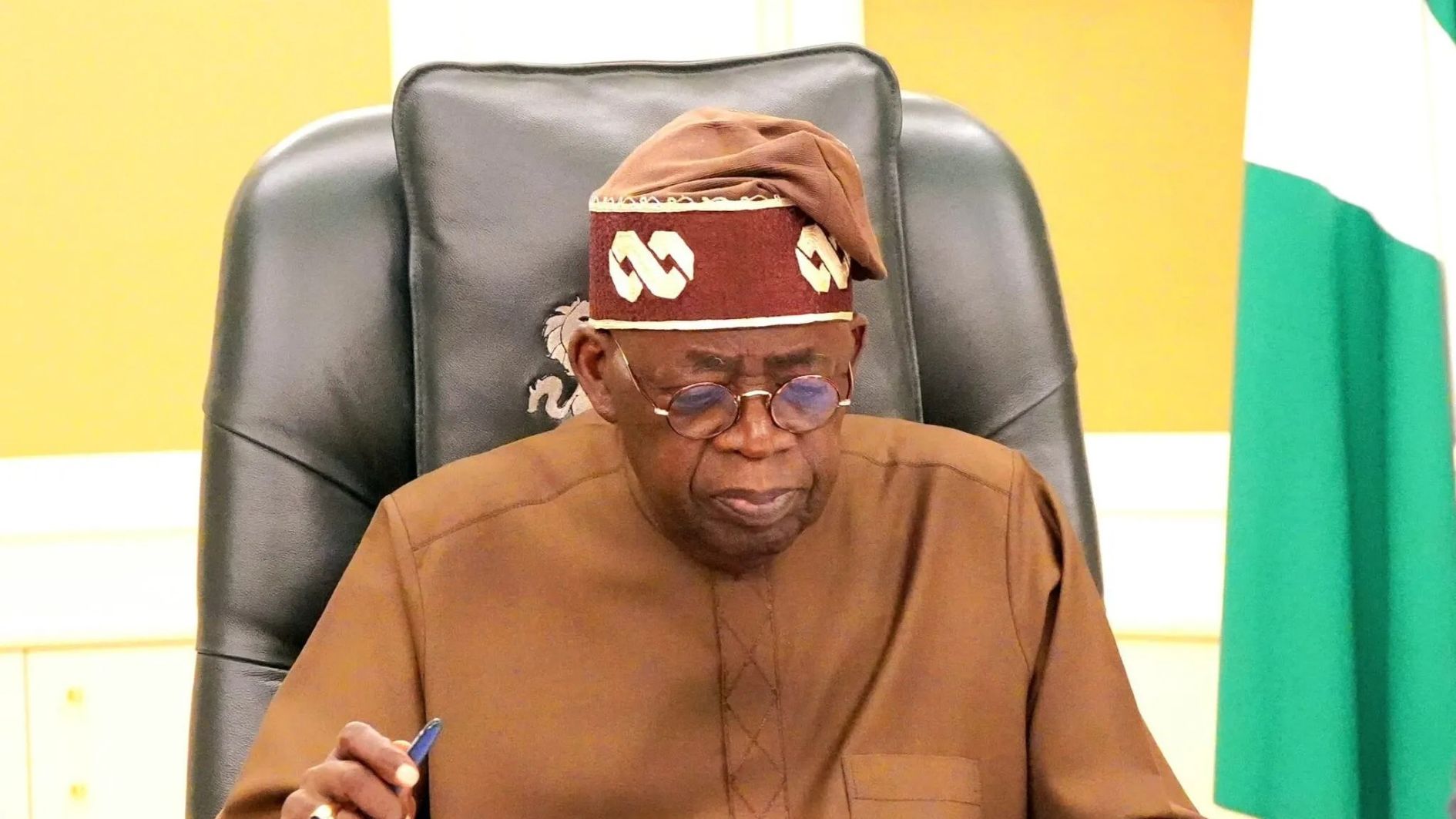
Olaopa seeks knowledge-driven reform in civil service
President Bola Tinubu, former President Goodluck Jonathan, Bayelsa State Governor Douye Diri, former Bayelsa Governor Seriake Dickson, and public administration expert, Joe Abba, have highlighted merit, integrity, competence and perseverance as essential to building strong public institutions and advancing Nigeria’s development.
On his part, the Chairman, Federal Civil Service Commission (FCSC), Prof.Tunji Olaopa, canvassed knowledge-driven reform in the civil service.
The speakers made the remarks at the retirement and book presentation ceremony of the Head of the Civil Service of the Federation (HCSF), Didi Esther Walson-Jack, whose 34-year career they described as an example of purposeful public service and institutional leadership.
At the centre of the tributes was Walson-Jack’s journey from the Niger Delta civil service to the highest administrative position in the country, with speakers linking her rise to competence, integrity, resilience and commitment to duty.
Jonathan used Walson-Jack’s career to make a broader case for merit-based appointments, saying “Nigeria cannot develop when competence and integrity are compromised” in choosing people for public offices.

He commended Tinubu for appointing Walson-Jack as HCSF, describing the appointment as one that required merit. He noted that Walson-Jack became the first Bayelsan to occupy the position.
Citing former Singaporean leader, Lee Kuan Yew, Jonathan said integrity and meritocracy were among the principles that helped transform Singapore.
President Tinubu, represented by the Minister of Innovation, Science and Technology, Dr Kingsley Udeh, praised Walson-Jack as a reform-minded public servant who understood the need for the civil service to evolve.
Tinubu said Nigeria needed a professional, competent, ethical, innovative and citizen-centred public service capable of translating government policies into measurable results.
“At the centre of our effort to translate that vision into tangible results is a professional, competent, ethical, innovative and citizen-centred public service,” he said.
The President said political leadership might change, and policies might evolve, but the civil service must retain the institutional memory, technical competence and professional discipline required to sustain the Nigerian state.
While crediting Walson-Jack with helping to strengthen institutional continuity, technical expertise, and administrative systems required to implement government policies, Tinubu highlighted digital transformation within the Federal Civil Service and the shift from activity-based administration to outcome-based governance.
Diri said the outgoing HCSF’s career showed that hardship in public service could form a leader rather than destroy one.
“Mrs Walson-Jack, the hardship of service in the Niger Delta, in the state civil service, and at the pinnacle of the federal civil service, did not actually break her. It actually formed her, and today we celebrate her,” Diri said.
He said her journey through Rivers State, Bayelsa and the Federal Civil Service reflected perseverance, discipline, patience and commitment to duty.
The governor joined Jonathan and other Bayelsa leaders in thanking Tinubu for appointing Walson-Jack to the federal position.
Dickson also praised Walson-Jack’s rise through the public service, describing it as a significant achievement for Bayelsa and Nigeria.
Highlighting her transition from the state to the federal system and her eventual emergence as HCSF, Dickson said her career demonstrated the value of accepting difficult assignments, remaining committed to duty and allowing competence to speak over time.
The book reviewer, Abba, said Walson-Jack’s two books, I Planted and Beyond the Mandate, offered valuable lessons on integrity, leadership and institutional reform.
Abba said the books went beyond autobiography by showing how public institutions could be built, strengthened and reformed despite the challenges of governance.
He highlighted Walson-Jack’s response to setbacks early in her career, including an incident in which her work was rejected and trashed. Rather than becoming angry, Abba said she examined her shortcomings and sought improvement.
He described Beyond the Mandate as a book about stewardship, arguing that public officials should leave institutions stronger than they found them.
For Abba, the two books demonstrated that government’s success depended not only on political decisions but also on the daily work of public servants who translate policies into action.
Olaopa, in his goodwill message, said the public presentation of Beyond the Mandate – A Memoir on Leadership and I Planted – A Memoir of Purposeful Service was not just the unveiling of two seminal contributions to administrative history, as it was yet another opportunity for public administrators to pause and reflect on the state of the profession in Nigeria and its reform.
According to him, Walson-Jack has chosen not merely to document her work as a career bureaucrat and her experience and contribution as Head of Service; she has performed an important public service.
Stressing that civil service reform should be driven by knowledge and a constant desire to learn, he cited the late Prof. Chinua Achebe, who once asked what African intellectuals read.
He said: “I like to tweak the question by asking, what do Nigerian civil servants read? This is not meant to be a rhetorical question; it is one that goes to the heart of the civil servant’s professionalism as a reform imperative. And I dare pose a related question: can we reform a bureaucracy that does not recognise its knowledge and intellectual deficit, and is therefore seen as one that does not read? This is why reflections by an administrative leader like Mrs Walson-Jack invite the civil servant, as thought-leader, to look beyond the immediate demands of the office and to appreciate the larger meaning of public service.”

