 Follow Us on Google News


 Follow Us on Google Discover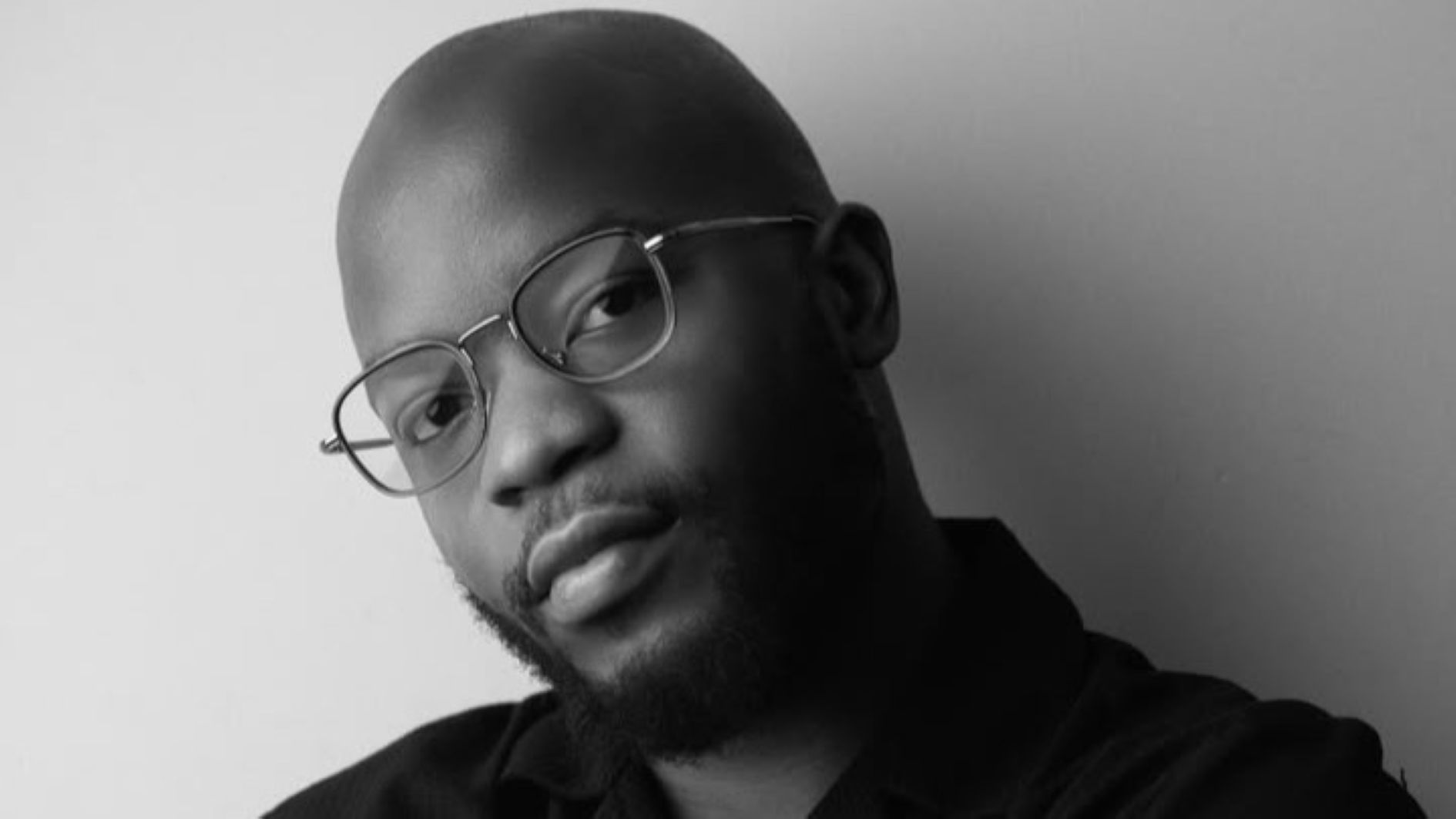
Photography can go beyond capturing images to create opportunities for self-expression, reflection, confidence-building and human connection, professional photographer, Seun Oderinde, has said.
Seun, of Seun Oderinde Studios, made the observation while discussing the emotional and psychological dimensions of photography and the relationship that develops between photographers and clients during portrait sessions.
His comments come amid growing interest in creative practices that can complement established approaches to mental health and emotional well-being.
According to the World Health Organisation (WHO), more than one billion people globally are living with a mental disorder, with anxiety and depressive disorders among the most common. The organisation has also highlighted the significant social and economic consequences associated with mental health conditions.
Speaking on the responsibility of photographers when clients become emotionally vulnerable in front of the camera, Oderinde said photographers must remain emotionally grounded while preserving genuine moments.
He said, “The responsibility that you have is to capture that moment, to freeze that moment. Most times, while on set, you can easily become distracted or emotionally moved by what is happening. But as a photographer, you have to remain emotionally grounded so you can preserve that raw emotion.”

According to him, moments of vulnerability often reveal genuine emotions, making it important for photographers to recognise and document them respectfully.
“Your job is to anticipate them, recognize them, and capture them. When the client looks back at those photographs years later, they should appreciate that you were able to preserve something real,” he added.
Seun said photographers also interact with clients carrying different emotional burdens, including family challenges, work-related stress and personal struggles.
He explained that creating a positive environment in the studio could help clients relax and reconnect with themselves during the photographic experience.
“I believe photography is about creating experiences, and experiences are built on energy. There is the photographer’s energy and the client’s energy. In my studio, I intentionally create a positive atmosphere,” he said.
“If someone walks in carrying negative emotions, I try to create an environment that helps them feel more relaxed and comfortable,” he added.
According to him, the photographer’s role goes beyond operating the camera, as communication, reassurance and emotional sensitivity can influence the quality of the experience and ultimately the images produced.
He said, “Before taking great photographs, your first responsibility is to guide your client into that emotional space. Calm them. Comfort them. Help shift the atmosphere from negative to positive.”
Seun also spoke about clients who initially arrive at photography sessions feeling insecure or uncertain, saying that building confidence should begin before the actual shoot.
He explained that consultations provide an opportunity for photographers and clients to become familiar with each other and establish trust.
“Many clients, especially first-time clients, arrive unsure of what to expect. That’s completely normal whenever someone enters a new environment. That’s why making people feel comfortable begins long before the shoot itself,” he said.
The photographer said simple encouragement, including compliments about a client’s appearance, outfit or makeup, could significantly improve their confidence.
“Confidence starts from within, but simple encouragement helps. Compliment their makeup. Tell them they look beautiful. Tell them you love their outfit. Those little words can make a tremendous difference,” Seun said.
He added that photographers should maintain communication throughout a session rather than simply standing behind the camera.
“Keep talking. Keep reassuring them. Let them know they’re doing well, even while they’re still warming up. Your role is to guide them through the process until they become comfortable enough to truly express themselves,” he said.
Research into participatory and therapeutic uses of photography has identified potential benefits including creative expression, empowerment and greater self-knowledge. However, researchers have also cautioned that evidence in the area remains limited and that photography should not be regarded as a substitute for professional psychological or psychiatric care.
The distinction is particularly important when clients disclose serious emotional difficulties, trauma or psychological distress.
While photographers can listen empathetically and create respectful environments, they are not substitutes for trained mental health professionals and should not attempt to diagnose or treat psychological conditions.
The broader discussion around photography and emotional well-being also places emphasis on consent, confidentiality, dignity and personal agency, particularly when sensitive images or personal stories are involved.
For Seun, the experience behind the camera demonstrates that portrait photography can sometimes become more than an exercise in creating attractive images.
The interaction between photographer and client can provide an opportunity for people to communicate, reflect, remember and see themselves from a different perspective.
Photography, in this sense, offers another language for experiences that may sometimes be difficult to express through words, including grief, joy, fear, resilience and hope.
The conversation also highlights the importance of empathy alongside technical expertise in professional photography.
While photography-based approaches should not be presented as established mental health treatment, a supportive and respectful photographic experience may provide individuals with opportunities for creativity, reflection, confidence and connection.
As Seun’s experiences suggest, the significance of a photograph may therefore extend beyond its composition, lighting or technical quality.
At its most human, photography can preserve not only how a person looked at a particular moment, but something of what they felt; offering a lasting reminder of being heard, valued and, perhaps most importantly, seen.

