GDN SIDEBAR
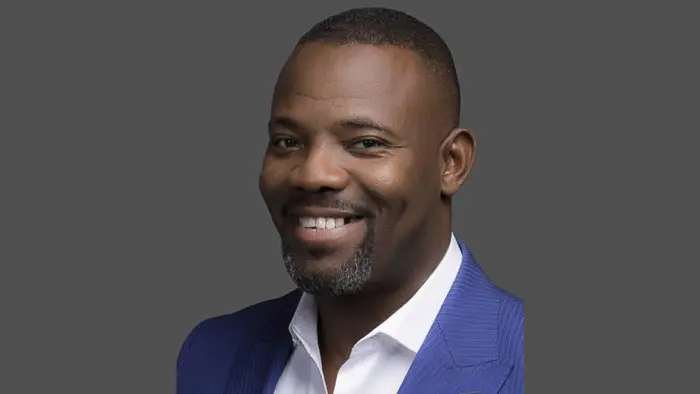
Afrogospel artiste and culture architect, Akinade Ibuoye, popularly known as Gaise Baba, has bemoaned the cold treatment dished out to inspirational artistes by Headies.
In an open letter titled “An Open Letter To The Headies,” Gaise Baba questioned why songs that explore sexual desire and the objectification of a woman’s body are celebrated for their artistic value while those on faith are belittled.
For the first time, The Headies was created in 2006; it introduced the Inspirational category in 2022, and like many others, Gaise Baba applauded the move.
He said that it was a good step to formally nominate and recognize faith-based records.
Then in 2025, he was nominated at The Headies alongside Anendlessocean, Mercy Chinwo, Dunsin Oyekan and Limoblaze, but the award wasn’t presented on the night, an action he described as disregarding the creatives involved.
Gaise Baba said that the letter is aimed at seeing Headies function better and not just a complaint.
Taking to memory lane of his involvement with Headies, he said that he attended The Headies for the first time on October 20, 2012, two years after he came into the industry with his release “Follow Follow” and that he performed at the nominees’ party alongside Rayce.
He said that he hopes the Headies Organizing Committee and its founder, Ayo Animashaun, will look into points raised in good faith.
Gaise said in the letter that Animashaun’s vision has built something that did not exist before and that the industry still leans on today, but as a faith-based artiste, as it is more commonly called, he always had an outlook of not being limited in expression or restricted to only religious gatherings, but engage across the length and breadth of the music industry, which has informed how he has moved, the stages he has performed, and the wide spectrum of creatives he has come across and related with.
“It is also for this reason that I have for long been a proponent for faith-based music to be in the conversation at mainstream platforms and awards, not just in an isolated category like some form of tokenization, but considered on its merit; art for art.
A rap record is a rap record. It does not stop being rap because of what the artiste chooses to rap about. Whether the record is about money, fame, sex, debauchery, or faith, the craft, pen game, cadence, delivery, and the flow are what make it a rap record, not the subject matter.”
“A rap song with gospel content, considered only within gospel or inspirational categories and never as rap, is being quietly removed from a conversation it has every right to be part of. The same logic should hold across genres. If we’re appreciating and honoring music for music, then let’s do that for what it is, before filtering by what it is about.”
He said: “If a song that explores sexual desire and the objectification of a woman’s body is celebrated for its artistic value and allowed full sway in the industry’s ocean, why should the one on faith be restricted to an aquarium? Especially if the song on faith arguably had a bigger impact on culture than the other.”
“How many records released in the current year under review have had a greater cultural impact, across the length and breadth of this country and maybe even beyond, than Favour or No Turning Back II? Shall we count?”