 Follow Us on Google News
 Follow Us on Google Discover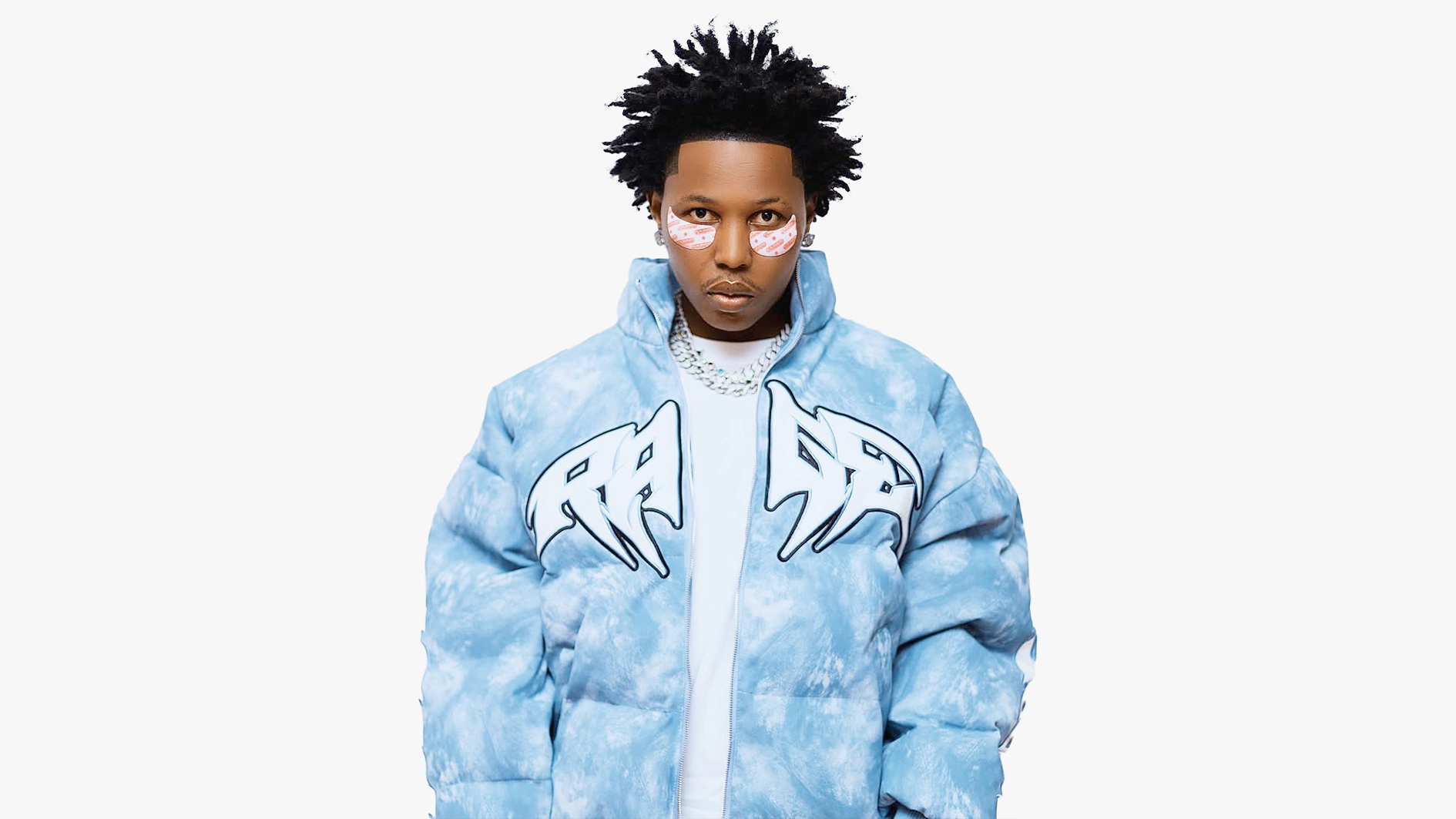
The journey to true success is rarely a straight line. It often winds through unexpected detours and moments of reinvention. For Nigerian singer and songwriter Shoday, the path from making viral social media skits to a major deal with 5K Records and Sony Music UK is a study in timing, perseverance, and undeniable talent.
Long before his melodies filled streaming playlists across Africa, Shoday was part of the wave of digital creators experimenting with comedy skits online. While many treated skit-making as an endpoint, he saw it differently — an audition stage to build an audience and sharpen his creative instincts.

The leap from content creator to serious recording artiste is a tightrope walk; critics’ box creatives in, and breaking past the “skit maker turned singer” label demands sonic excellence. Shoday let the music answer for him, blending soulful Afrobeats with an infectious street-pop cadence that resonated with listeners and proved his artistry was no fleeting stunt.
That grind culminated in a deal with 5K Records and Sony Music UK — a seal of approval placing him alongside some of the industry’s most exciting global talents and offering a bridge for the homegrown Afrobeats sound onto world stages.
Before Paparazzi launched his breakout, before his first number one, before Davido began following him off a TikTok clip, there was Kolorado — a record he wrote at his lowest and released almost as an afterthought.
“I wrote that song when I was down. I was just pouring my heart out, about life, about people, about everything,” he told Joey Akan on the Afrobeats Intelligence Podcast. “I dropped it as a song, but it did not blow up, and I’m glad, because the song will touch people that I wanted to touch.”
Born Shodade Solomon Segun and now 25, Shoday began as a digital content creator before breaking out musically with his 2022 single Caution and the project Hybrid. He was recently nominated in the “Next Rated” category at the Headies.
Unlike a medical degree, he says, music has no fixed finish line: “You can spend 10 years, then after 10 years you have your first song. And all of that 10 years before it doesn’t really count” — pointing to Davido as proof the world only starts counting from the breakout hit.
Long before that hit, Shoday worked as a stand-up comedian — by his own account, a genuinely good one — performing night vigils and church gigs for ₦1,000 a session, emceeing weddings, doing whatever kept money moving. But he drew a hard line at the identity: “I don’t want to be a comedian. I don’t want people to see me and laugh. I don’t want to be a joke, man.”
Every naira had one purpose — a phone good enough to create content on, after years of borrowing iPhones from friends and a punishing stint selling knockoff noodles door-to-door in Agbado, work that broke him physically before he quit.
He’d watched the industry’s brutality up close through his brother, an artiste named Andy, treated as “a stranger with no leverage,” sometimes pelted with bottles by hostile crowds. That fear kept him circling music for years — until a comic cover of an Olamide record, and the artiste’s own laughing reaction to it, convinced him music was where he belonged.
Even now, signed and rising, Shoday refuses the unwritten rules of artiste mystique, insisting on staying visible and unfiltered — having watched peers build personas so far from themselves that they pay for it later. “I know a couple of these things, man,” he says.

