 Follow Us on Google News


 Follow Us on Google Discover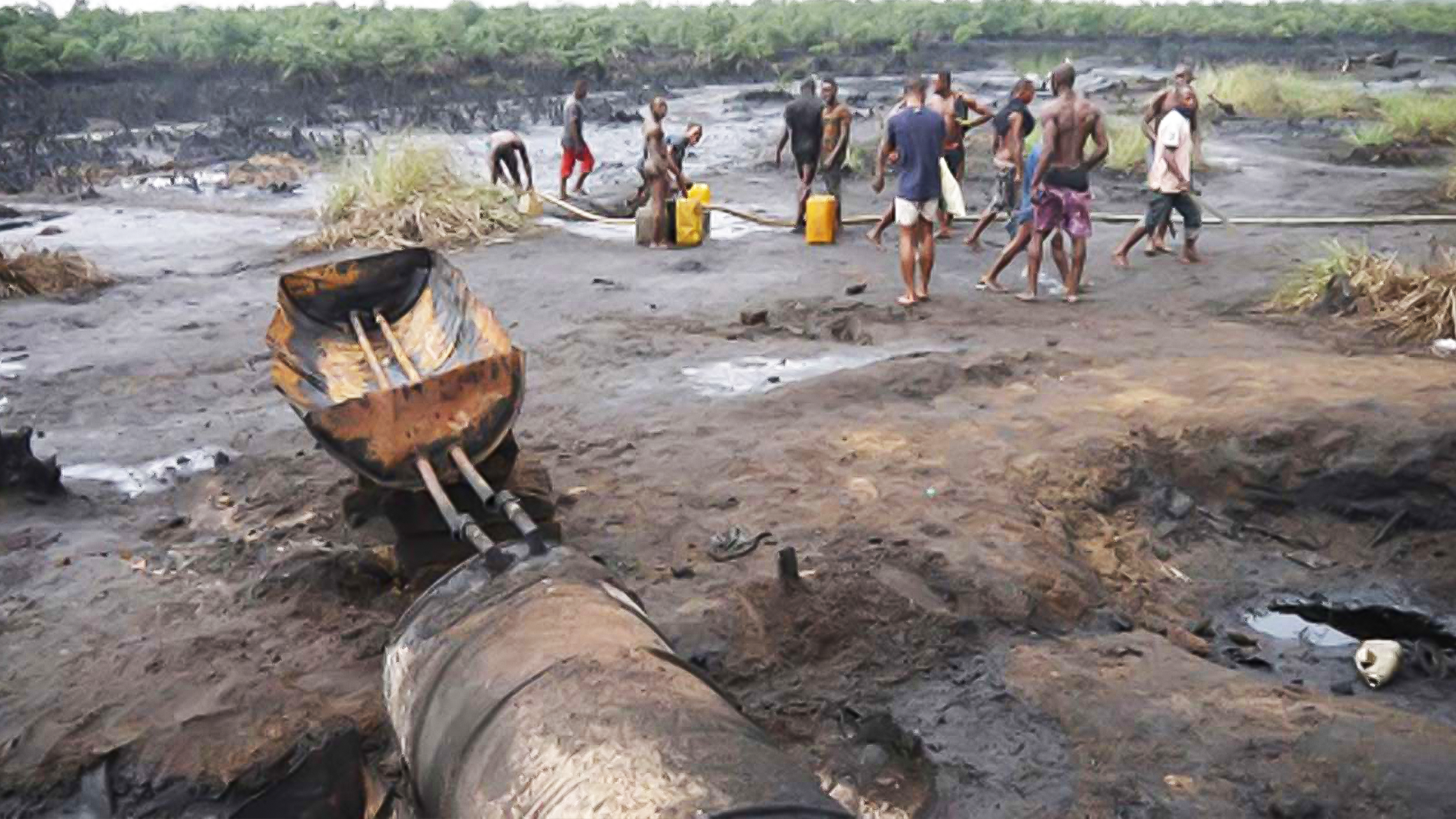
The unfolding debate over the future of Ogoniland has taken a fresh turn, with the apex socio-cultural organisation of the Ogoni people, KAGOTE, highlighting one of its most sensitive concerns—the alleged invocation of the name or authority of the National Security Adviser (NSA), Mallam Nuhu Ribadu.
The group stated that it did “not” accuse the NSA of personally authorising any improper action, stressing that the very uncertainty surrounding the use of the NSA’s name makes clarification necessary.
KAGOTE’s latest position was contained in a statement directed to the facilitators of the Ogoni Dialogue Committee (ODC) signed by its President, Chief Lesi Maol, where it expressed strong support for the Federal Government’s renewed engagement but raised a series of questions about how the process is being managed.
According to KAGOTE, where the name of a senior government official is invoked in connection with a sensitive process such as the Ogoni Dialogue, there should be no doubt about whether such representation was actually authorised.
It warned that allowing ambiguity to persist could associate respected government institutions with decisions they may neither have initiated nor approved.
The group also demanded greater transparency in the process, warning that no individual or organisation should place itself above the collective interests of Ogoni people.

The organisation emphasised that it was neither against the President Bola Ahmed Tinubu administration nor the NSA, but stands for “responsible resumption of oil production in Ogoniland.”
It, however, stated that support for the dialogue cannot mean silence when questions arise over procedure, representation, information and accountability.
KAGOTE demanded a clearly established and documented procedure for determining who represents Ogoni in negotiations and harmonisation processes.
It pointed to the acknowledgement by the facilitators that the initial composition of the Harmonisation Committee generated concerns and was subsequently changed.
It, therefore, sought to know who authorised the original composition, what criteria were used in selecting members, whether the authority of the Office of the NSA was invoked and, if so, by whom and under what authority.
It argued that whoever negotiates on behalf of Ogoni must derive that responsibility from a process that is “transparent, legitimate and capable of commanding the confidence of the people.”
KAGOTE also demanded for clarification over reported oil-related activities in parts of Ogoniland.
It noted that the facilitators had said that, to their knowledge, there were no oil and gas production activities directly connected with the Ogoni re-entry programme, while also acknowledging ongoing inquiries into reported activities in Alesa-Eleme and elsewhere.
KAGOTE said the resulting uncertainty should be resolved through authoritative information. It called for clarity on whether oil-related activities are currently taking place in Ogoniland, their nature and purpose, the authority under which they are being undertaken and whether they are separate from matters under negotiation.
It also called for greater visibility around projects and confidence-building interventions reportedly associated with the dialogue.
It said transparency should include information, where appropriate, about the location and nature of projects, implementation arrangements, responsible government agencies, contractors or beneficiaries, approved costs and monitoring mechanisms.

