 Follow Us on Google News


 Follow Us on Google Discover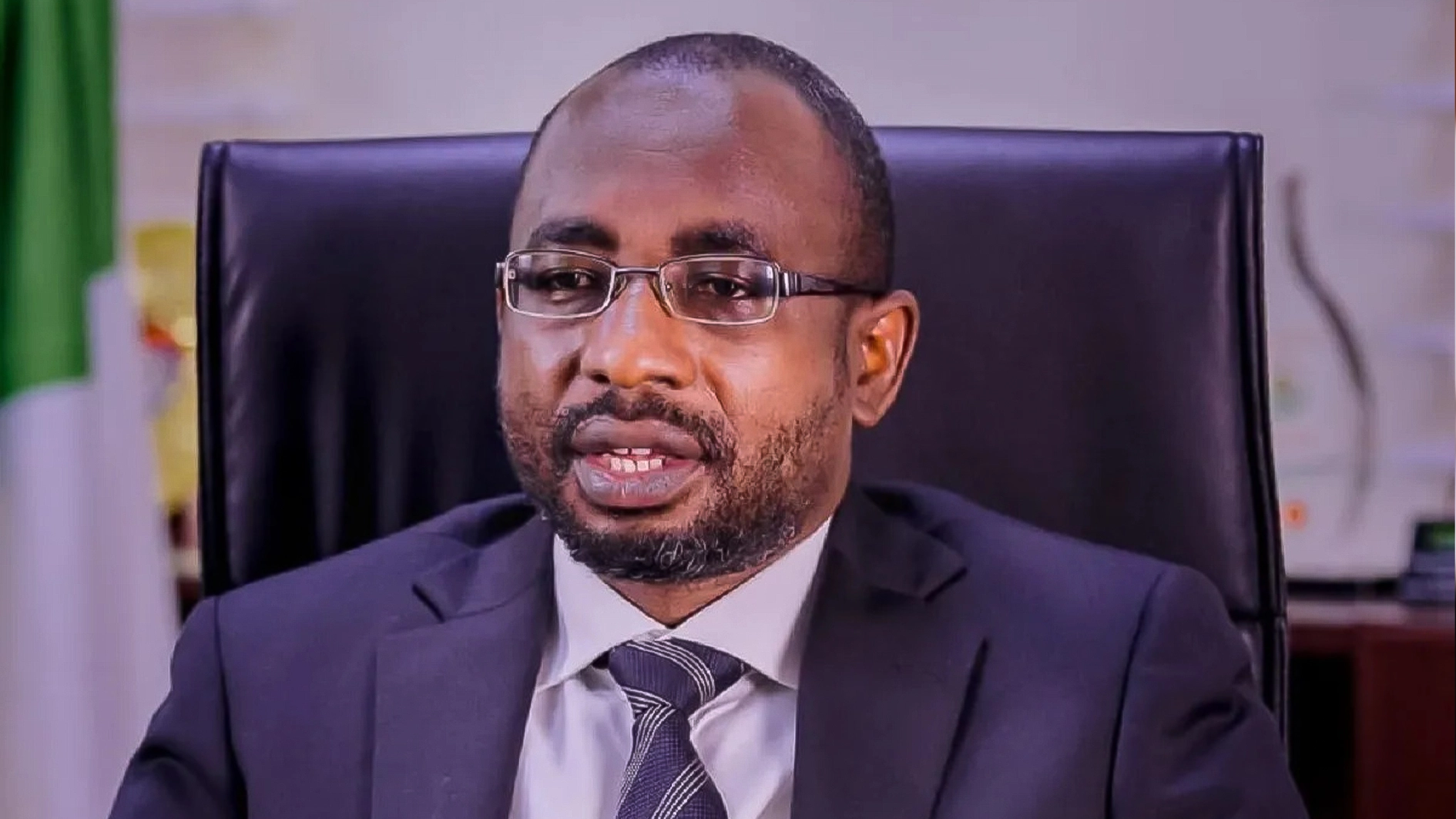
National Information Technology Development Agency (NITDA) has cautioned Nigeria against excessive reliance on artificial intelligence (AI) systems developed and controlled outside the country.
The agency warned that such dependence could undermine Nigeria’s digital and economic sovereignty as AI becomes increasingly integrated into critical sectors of the economy.
NITDA Director General, Kashifu Inuwa Abdullahi, gave the warning yesterday at the GITEX Nigeria 2026 Government Leadership & AI Summit in Abuja.
The summit, themed “Beyond Connectivity: The Bridge to Sovereign AI and Innovation,” brought together policymakers, technology companies, investors and innovators to examine Nigeria’s preparedness for the next phase of digital development.
Abdullahi said AI had evolved beyond being another technological tool, describing it as strategic infrastructure capable of shaping a country’s economy, security and public services.
He said Nigeria must therefore gain control over the broader technology ecosystem supporting AI, including connectivity, computing capacity, data centres, cloud infrastructure, algorithms, and data governance.

“AI is not just another piece of technology. It is a strategic infrastructure that can help nations accelerate growth,” Abdullahi said.
He stressed that technological sovereignty was now an important component of national sovereignty, particularly as governments began using AI to support decisions in areas such as finance, healthcare and education.
The NITDA chief said Nigeria must know who controls the AI systems it deploys, where they are developed and whether Nigerian laws apply to them.
He warned that loss of operational control could expose the country to manipulation, particularly where AI systems have access to sensitive personal, financial and government data.
Abdullahi also placed data at the centre of Nigeria’s AI ambitions, saying locally relevant AI systems could only be developed with quality Nigerian data.
He urged Nigerian startups and technology companies to develop indigenous AI algorithms rather than depending entirely on systems built in other jurisdictions.
The NITDA boss cited Project BRIDGE, the Federal Government’s plan to deploy 90,000 kilometres of fibre-optic infrastructure, as part of efforts to strengthen the connectivity required for a sovereign digital economy.
Abdullahi said Nigeria and other African countries could not afford to repeat the mistakes of previous industrial revolutions, when inadequate institutions, political will and legal frameworks limited the continent’s ability to take advantage of technological opportunities.
The Chairman of the Senate Committee on ICT and Cybersecurity, Salisu Afolabi, said technological sovereignty was also critical to national security, particularly as government operations become increasingly digitised.
He warned that sensitive government information could be exposed if public institutions relied on technologies controlled by foreign entities.
Afolabi said the National Assembly was working on legislation to strengthen Nigeria’s digital economy and provide clearer rules for emerging technologies.
He disclosed that the proposed National Digital Economy and Innovation Bill was expected to reach the National Assembly in September, adding that lawmakers would seek to ensure innovation was encouraged while emerging technologies were properly governed.
Meanwhile, Nigerian scientists and public health experts have called for greater investment in locally generated health data and homegrown artificial intelligence (AI) systems, warning that Africa risks being left behind if it continues to depend largely on technologies and datasets developed outside the continent.
The experts spoke at the 4th Annual Scientific Symposium organised by the International Research Centre of Excellence (IRCE) of the Institute of Human Virology of Nigeria (IHVN) in Abuja, where researchers, government representatives, academics and industry stakeholders examined the future of public health research under the theme, “Shaping the Future of Public Health Research: Sustainable Funding, AI/ML and Innovation.”
Speaking at the event, Associate Professor of Infectious Disease, Pathogen Genomics & Molecular Epidemiology at Adeleke University, Ede, Dr Oladipo Elijah Kolawole, said African countries must begin developing AI systems trained on African datasets so that emerging technologies can produce results that are relevant to the continent’s population.
Speaking on the use of AI in whole-genome sequencing, Kolawole said the technology could accelerate the development of innovative health products, including biologics, therapeutics and advanced diagnostic tools.

