 Follow Us on Google News


 Follow Us on Google Discover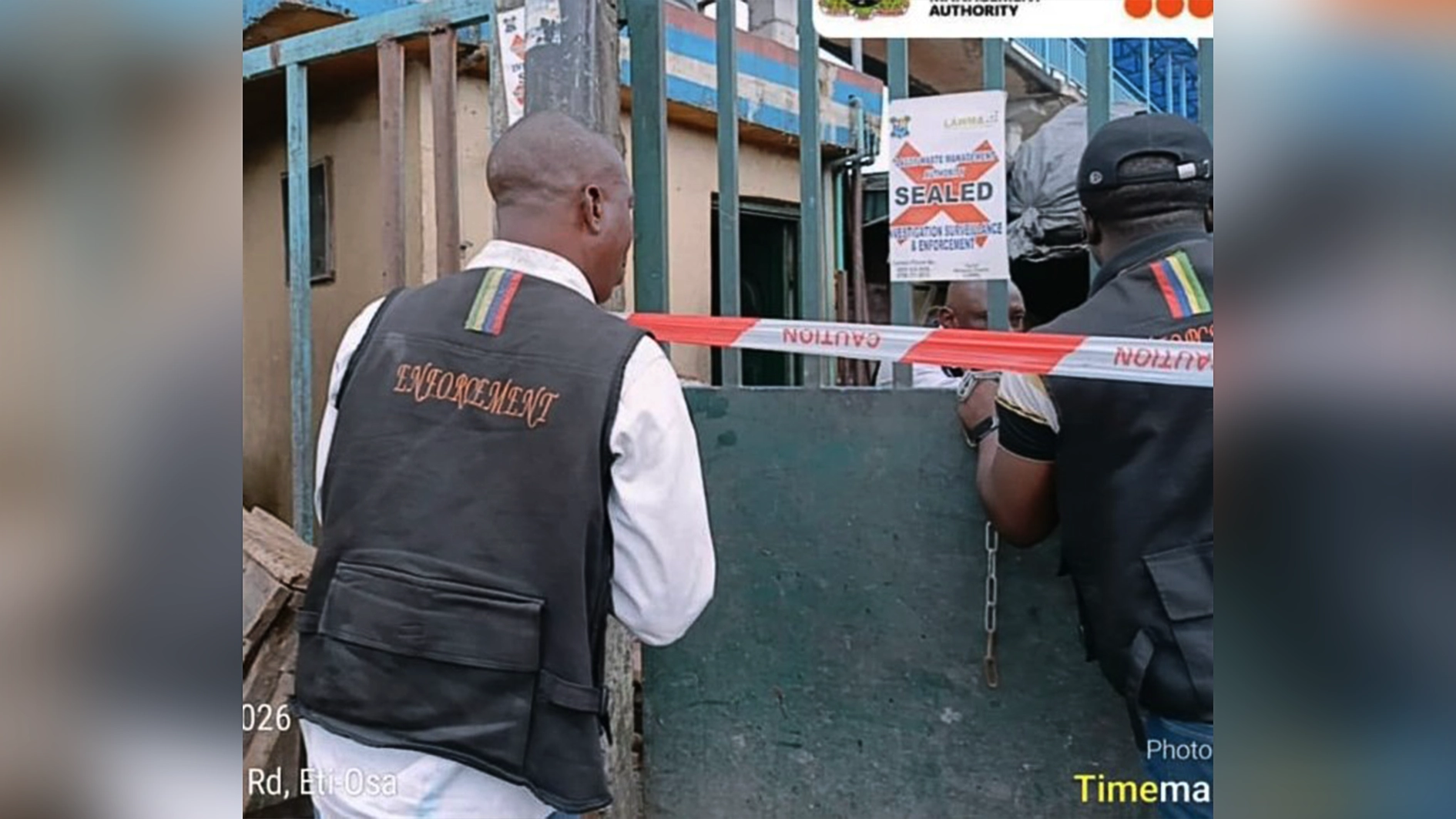
For residents who regularly pass through some of Lagos’ major roads, the sight is familiar: a median or roadside filled with heaps of refuse that resurfaces weeks after they are cleared.
The recurring cycle of dumping, evacuation and dumping again has become one of the challenges confronting efforts to keep the state clean.
But the Lagos Waste Management Authority (LAWMA) says it is changing its approach to the problem by looking beyond simply removing accumulated waste.
The authority is now combining waste evacuation with improved collection services, enforcement, infrastructure upgrades and community engagement to tackle the factors that allow waste blackspots to re-emerge.
The Managing Director and Chief Executive Officer of LAWMA, Dr Muyiwa Gbadegesin, said the approach was based on the understanding that recurrent waste heaps could not be sustainably addressed through repeated evacuation alone.
According to him, the authority is increasingly focusing on why waste returns after an area has been cleared, including gaps in collection services and indiscriminate dumping by residents, businesses and other users of the affected areas.
“Our approach is changing from simply clearing waste backlogs to addressing what causes them to return.
Where there are service gaps, we are working with stakeholders to improve collection; where there is indiscriminate dumping, we are enforcing compliance; and where locations have been cleared, we are putting measures in place to prevent redumping,” Gbadegesin said.
The new strategy is already being applied in parts of the state, including Ayobo-Ipaja, where LAWMA has combined sustained evacuation of accumulated waste with enforcement against illegal waste collectors, markets and commercial facilities that fail to comply with approved waste management arrangements.
In Mushin and Odi-Olowo, the authority has adopted another approach following the clearance of waste from major road medians. Collection trucks are being deployed into inner streets to make it easier for residents to dispose of their waste through approved channels rather than carrying it back to cleared medians.
For residents, the difference between simply clearing a waste heap and preventing its return can be significant. A cleared roadside can quickly become another dumping point when people living or operating nearby have no convenient or reliable means of disposing of their waste.
Gbadegesin said LAWMA was also strengthening the infrastructure supporting waste evacuation across Lagos.
He pointed to the recent upgrade of critical facilities at the Olusosun Disposal Facility, saying improved access and faster truck turnaround had helped increase the authority’s operational capacity.
The authority is also working with Private Sector Participation (PSP) operators through a reform process aimed at improving route management, service delivery, fleet capacity, technology-driven monitoring and accountability within the waste management sector.
At the same time, enforcement is being intensified against illegal waste operators, unauthorised markets and other activities that contribute to indiscriminate dumping.
But LAWMA says government intervention alone cannot solve the problem.
Gbadegesin stressed that residents, businesses, markets, communities and waste operators all had roles to play in preventing the return of waste to cleared locations.
“A clean city cannot be sustained by government action alone. We need residents, businesses, markets, PSP operators and communities to take responsibility for how waste is generated, handled and disposed of. Clearing a location only for it to become a dumping point again is not sustainable,” he said.
Beyond the immediate battle against waste blackspots, the authority said the long-term objective was to build a more sustainable waste management system anchored on a circular economy.
Among the initiatives being pursued are the development of transfer loading stations and material recovery facilities, as well as the promotion of waste-to-wealth and waste-to-energy programmes.
LAWMA said its response to recurrent waste hotspots would continue to combine waste evacuation, enforcement, stakeholder engagement, improved collection services and infrastructure development.
Gbadegesin urged Lagos residents to patronise approved waste collection operators, report service gaps and shun indiscriminate dumping.
He said keeping Lagos clean was ultimately a shared responsibility, noting that the success of the effort would depend not only on how quickly waste was cleared but also on whether residents and businesses helped ensure that cleared locations stayed clean.

