 Follow Us on Google News


 Follow Us on Google Discover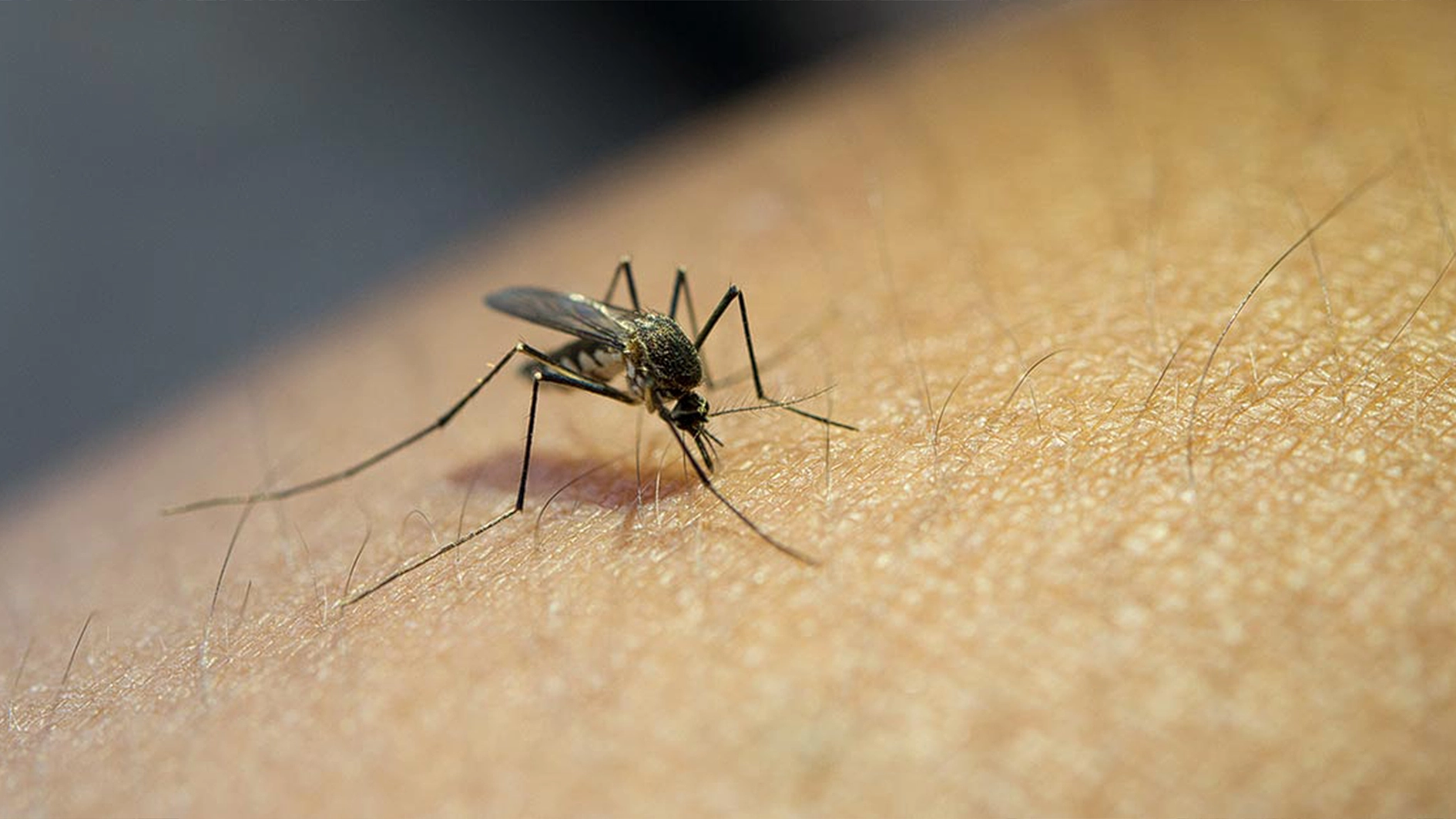
• Climate change, global travel widening malaria’s reach
Experts have called for stronger disease surveillance, rapid detection and timely intervention to curb the international spread of malaria amid rising global travel, urbanisation and climate change.
They spoke against the backdrop of an outbreak at Frankfurt Airport, Germany, where six employees contracted malaria and two died. The cases are believed to have been linked to an infected Anopheles mosquito transported by aircraft.
An Associate Professor of Infectious Disease, Pathogen Genomics and Molecular Epidemiology at Adeleke University, Ede, Dr Oladipo Kolawole, said the development highlights the growing complexity of malaria control as travel, climate change, urbanisation and drug resistance reshape transmission patterns.
Kolawole told The Guardian that mosquitoes could cross borders in aircraft, cargo and luggage, a phenomenon known as “airport malaria” or “baggage malaria.”
He, however, cautioned against concluding that a single mosquito caused the German cluster without a full epidemiological investigation. According to him, the greater concern was the combination of drug-resistant Plasmodium falciparum and invasive mosquito species such as Anopheles stephensi, which is increasingly adapted to urban environments.

“Rising temperatures shorten the developmental cycle of parasites inside mosquitoes, increasing transmission rates,” he said, adding that climate change could expand mosquito habitats into previously cooler regions and create breeding sites through erratic rainfall.
Kolawole said the Frankfurt cases were consistent with existing epidemiological projections rather than a departure from scientific expectations.
“Given expanding global travel, rapid urbanisation and climate-driven vector shifts, isolated outbreaks of vector-borne diseases in non-traditional geographic regions are precisely what the scientific community has anticipated,” he said.
He urged countries outside malaria-endemic regions to strengthen surveillance around airports, enforce effective aircraft disinfection and invest in newer vector-control technologies, including genetic biocontrol and vaccines.
“Pathogens do not recognise geopolitical borders,” he said.
On malaria deaths, Kolawole identified delayed presentation, poor-quality or falsified medicines and emerging drug resistance among possible factors. He said artemisinin-based combination therapies (ACTs), Nigeria’s first-line malaria treatment, remained effective but were facing increasing biological pressure from emerging parasite mutations.
He advocated consideration of multiple first-line therapies (MFTs), including artemether-lumefantrine, artesunate-amodiaquine and dihydroartemisinin-piperaquine, under an appropriate national treatment strategy.
Kolawole also called for stronger post-market surveillance and mobile authentication systems to identify and remove falsified and substandard antimalarial medicines.
A Public Health Parasitologist, Prof. Dennis Aribodor, said international travel could facilitate the movement of malaria vectors and their eggs into new environments, while infected travellers could introduce the parasite into countries where transmission is uncommon.
He warned that people with little or no previous exposure to malaria were particularly vulnerable to severe disease because of their lack of immunity.
Aribodor said malaria could also be missed in non-endemic countries, delaying treatment and increasing the risk of severe anaemia and organ damage.
He urged Nigeria to intensify entomological surveillance in cities to identify mosquito species, breeding sites, biting behaviour and insecticide susceptibility, particularly as invasive mosquitoes spread in urban areas.
He also called for targeted larval-source management around stagnant water, rice farms, waterlogged areas, wells and borrow pits, stressing that interventions should be based on identified breeding sites rather than indiscriminate treatment of water bodies.
Aribodor said malaria elimination in Nigeria was “extremely possible” but would require sustained political commitment, stronger domestic financing and continuity in control programmes.
He expressed concern over the country’s reliance on external funding, saying reductions in donor support had created gaps in malaria-control efforts.
Citing Algeria and Cabo Verde, he urged Nigeria to adapt successful elimination strategies from African countries that had interrupted local transmission.
Aribodor also advocated sustained distribution and use of insecticide-treated nets, particularly among children under five and pregnant women, alongside wider deployment of malaria vaccines for eligible children.
He stressed that Nigeria’s malaria response should combine surveillance, early diagnosis and treatment, effective medicines, vaccines, vector control and environmental management.

