 Follow Us on Google News
 Follow Us on Google Discover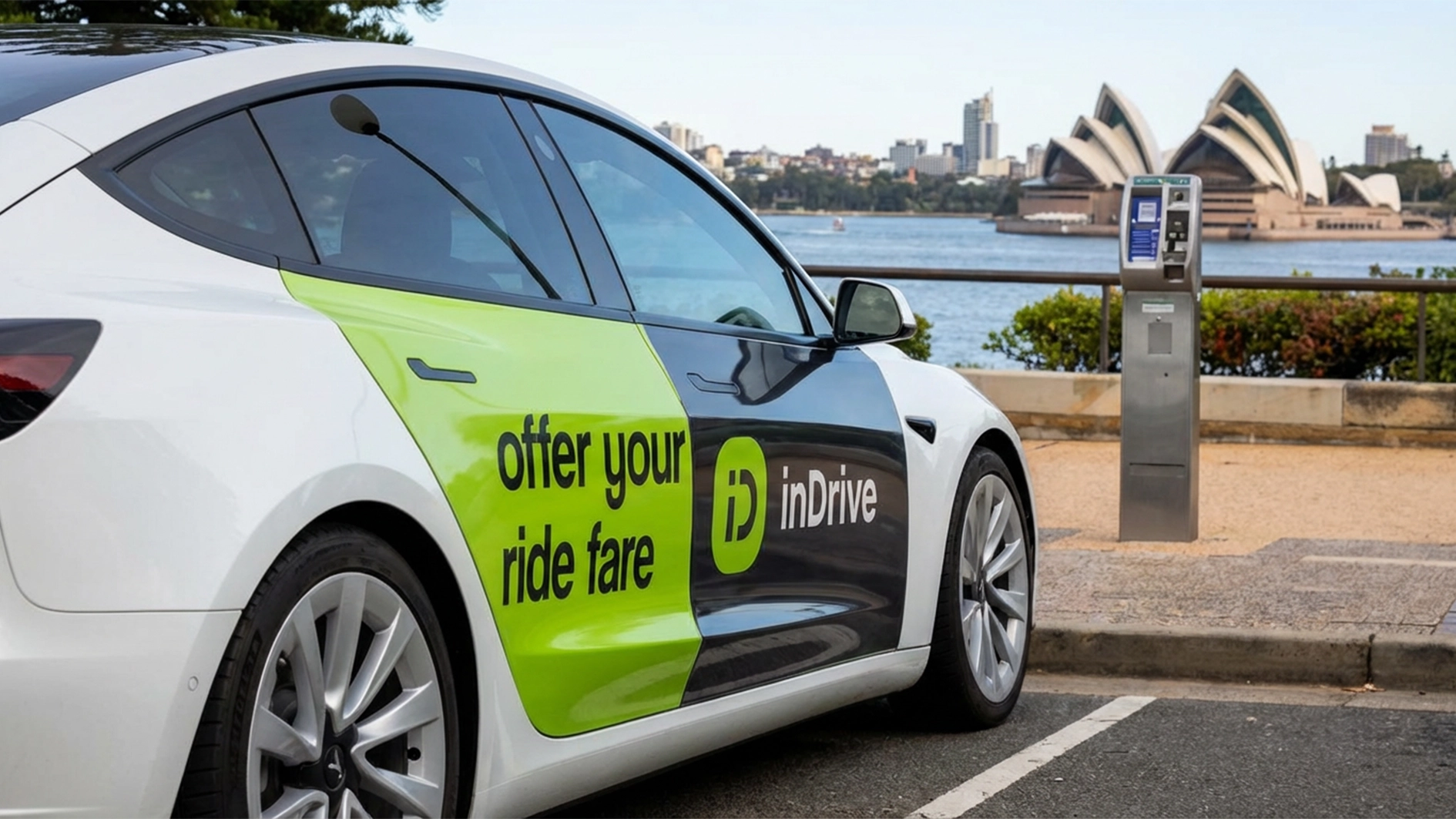
Ride-hailing company inDrive has reaffirmed its long-term commitment to Nigeria’s mobility market, even as the Amalgamated Union of App-Based Transporters of Nigeria (AUATON), Lagos State chapter, challenged the company to demonstrate that its commitment extends beyond business expansion to the welfare of drivers.
The development followed inDrive’s September 3, 2026 statement responding to Uber’s decision to exit the Nigerian market, in which the company described Nigeria as a key African market and said it was prepared to continue investing in the country.
inDrive Country Director, Nigeria, Timothy Oladimeji, said Uber’s exit came as a surprise, noting that the company had been a “strong and significant competitor.”
“We have always welcomed competition because it drives us to continuously improve our products and services for the benefit of our users,” Oladimeji said.
He said inDrive’s active user base in Nigeria had continued to grow year-on-year, with operations in Lagos, Abuja, Port Harcourt, Benin City, Ibadan, Owerri and Enugu.
According to him, the company’s business model is designed to operate effectively in emerging markets where affordability remains an important consideration for consumers.
He added that inDrive offers one of the lowest service fees in the market, while the final ride price is negotiated directly between drivers and passengers.
“This model gives both parties greater control and enables them to agree on a price that works for them. Unlike traditional ride-hailing platforms, we do not use algorithms to set ride prices,” he said.
The company said its commitment extends beyond its core ride-hailing service, citing its Economy and Courier offerings, as well as recent launches including Comfort, One Click and TukTuk.
Oladimeji said the company had made significant investments in Nigeria and would continue investing in service quality, safety, technology and local communities.
He also disclosed that inDrive was developing solutions for mobility investors and fleet owners to enable them to put vehicles to productive use and create additional earning opportunities through the platform.
The company subsequently invited drivers and mobility investors affected by Uber’s exit to join its platform.
“Our goal is to provide drivers with flexible earning opportunities while ensuring passengers continue to have access to affordable, reliable, and increasingly diverse mobility services,” Oladimeji said.
However, AUATON Lagos State Public Relations Officer, Comrade Steven Iwindoye, said the company’s declaration of long-term commitment must be judged by what it delivers to platform workers.
In his response titled A Response to inDrive’s Claim of ‘Long-Term Commitment to Nigeria’, Iwindoye said Nigerian drivers should not be expected to applaud corporate declarations without asking: “Long-term commitment to whom?”
He said the commitment should be measured not only by inDrive’s relationship with passengers, investors and the Nigerian market, but also by “the economic welfare, dignity and working conditions of the drivers whose labour keeps the platform operational.”
“What exactly will this commitment do to make life easier for Nigerian platform workers?” he asked.
Iwindoye said drivers were facing mounting operational costs, including fuel, vehicle maintenance, spare parts, insurance, data, financing and depreciation, while ride-hailing platforms compete for passengers through affordable fares.
“WHEN THE PASSENGER PAYS LESS, WHO ABSORBS THE DIFFERENCE? Too often, THE DRIVER,” he said.
He acknowledged inDrive’s claim that drivers and passengers negotiate fares directly, but maintained that the broader economic relationship still required scrutiny.
“Drivers provide the vehicles. Drivers purchase the fuel. Drivers maintain the vehicles. Drivers bear depreciation,” he said, adding that they also face traffic, insecurity, accidents and other risks associated with transportation.
According to him, the fact that drivers carry much of the investment and operational risk while platforms exercise significant influence over the marketplace creates “an obvious power imbalance.”
Iwindoye demanded fair and sustainable fares, improved driver earnings, reasonable and transparent commissions, transparent pricing structures, stronger driver representation and improved safety and welfare measures.
He also called for social protection for platform workers and genuine consultation with organised drivers before policies affecting their livelihoods are introduced.
“These are the things that demonstrate commitment. NOT PRESS RELEASES. NOT CORPORATE SLOGANS. ACTION,” he said.
The AUATON official further warned inDrive, Bolt and other ride-hailing platforms to learn from Uber’s exit and engage drivers before dissatisfaction reaches a breaking point.
“DO NOT WAIT UNTIL DRIVERS REACH BREAKING POINT. Engage them now. Listen to them now. Negotiate with them now. Fix the structural problems now,” he said.
Iwindoye argued that technological platforms must not obscure the role of workers, stressing: “THE ALGORITHM DOES NOT ELIMINATE THE WORKER.”
He described the growing pressure on drivers as “modern-day economic exploitation,” arguing that technology must not become a mechanism for transferring the burden of business operations disproportionately to workers.
“TECHNOLOGY MUST NOT BECOME A NEW NAME FOR OLD-FASHIONED EXPLOITATION,” he said.
While inDrive said it wanted to provide flexible earning opportunities and affordable mobility, Iwindoye challenged the company to demonstrate how its long-term commitment would translate into improved earnings and dignity for drivers.
“Show us through better earnings. Show us through fairer fares. Show us through reasonable commissions. Show us through stronger driver protection. Show us through genuine consultation,” he said.
He added: “Because without the driver: There is no trip. There is no passenger service. There is no platform. There is no Nigerian ride-hailing market.”
Iwindoye said drivers were not asking for charity or favours, but fairness, dignity and a seat at the table in decisions affecting their livelihoods.
The contrasting positions come as the Nigerian ride-hailing market enters a new phase following Uber’s departure, with inDrive seeking to attract affected drivers and mobility investors while organised platform workers are demanding that industry growth translate into better economic conditions for drivers.

