 Follow Us on Google News
 Follow Us on Google Discover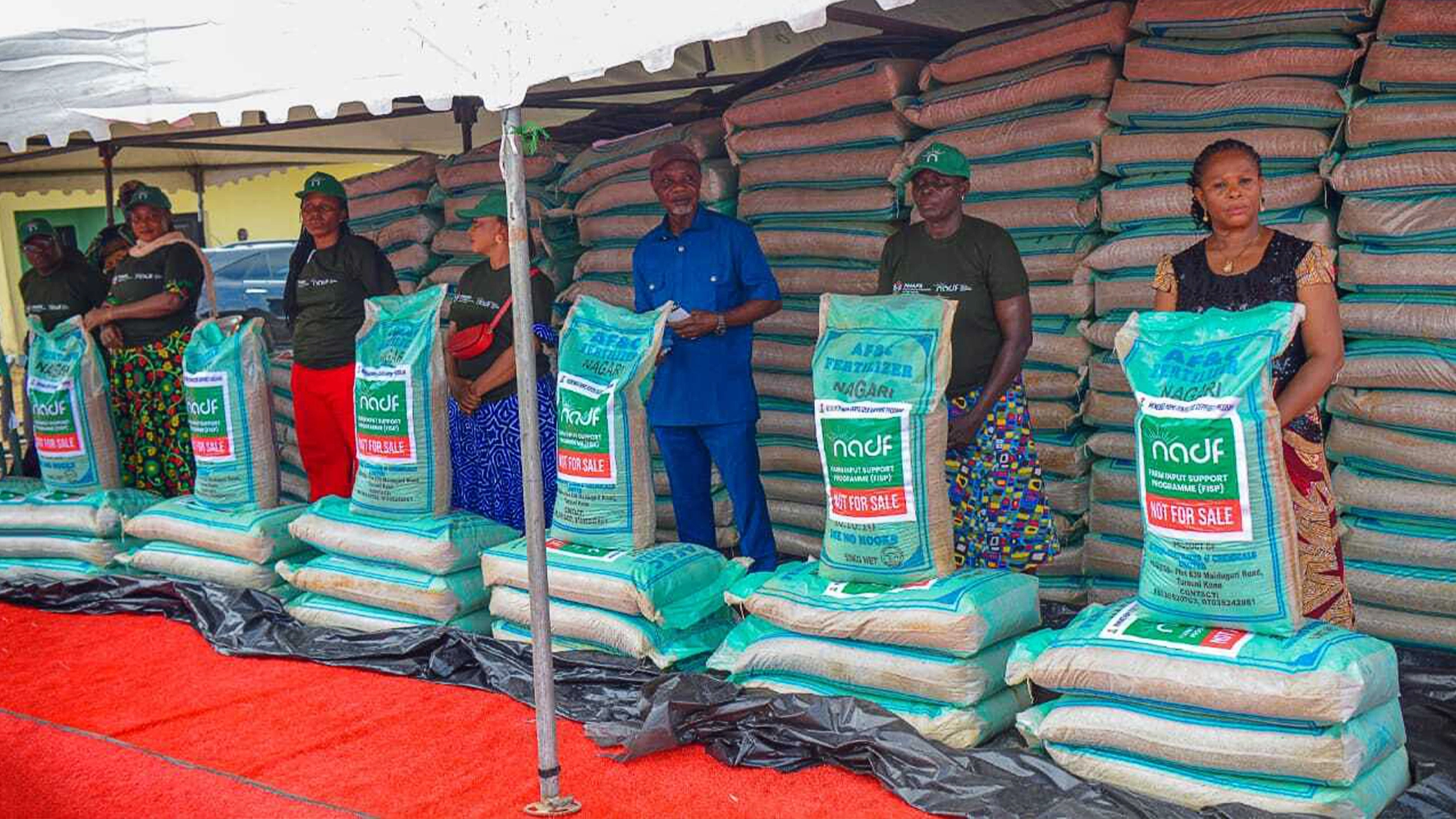
The Executive Secretary of the National Agricultural Development Fund (NADF), Mohammed Ibrahim, has said Africa’s agricultural investment challenge is not lack of capital, but absence of investor confidence and credible institutions required to move that capital into the continent’s food systems.
Ibrahim while speaking at the Africa Food Systems Forum (AFSF) in Kigali, Rwanda during a panel discussion on “Activating Leaders to Unlock Investment in Food Systems. said although there are significant pools of capital but attracting them into agriculture requires stronger leadership, reliable data, predictable markets and institutions capable of delivering on their commitments.
“Capital exists. What is often missing is the confidence that allows capital to move,” Ibrahim said.
He stressed that building investor confidence requires an agricultural ecosystem where farmers are identifiable, data reliable, markets are predictable and institutions are credible enough to reduce risks and give investors greater certainty.
According to him, NADF is increasingly focused on ensuring that public resources are strategically deployed to unlock additional private investment rather than replace it.
“At NADF, we increasingly believe that public capital should be catalytic rather than substitutive,” he said.

Ibrahim said the Fund is advancing financing approaches including blended finance, co-financing, on-lending and strategic partnerships with banks, insurers, processors and development partners to mobilise greater investment into agriculture.
He explained that public capital should address risks and market constraints that discourage private investment, thereby creating the conditions for larger pools of commercial and development finance to enter the sector.
The NADF Executive Secretary also called for a shift in how the success of public agricultural interventions is measured, arguing that governments must look beyond the amount of money spent to the additional investment mobilised and outcomes achieved.
“Our success should not be measured only by how much government money we deploy. We should also ask: How much additional investment did that public intervention unlock?” Ibrahim said.
He stressed that farmers must remain at the centre of agricultural investment decisions and be recognised as economic actors rather than simply beneficiaries of government programmes.
“Farmers are not simply beneficiaries. They are economic actors,” he said.
Ibrahim maintained that unlocking investment at scale would require stronger market linkages, improved access to finance and an enabling environment in which farmers and agricultural enterprises can become more productive, profitable and commercially viable.
He said NADF’s ambition is to help build an agricultural sector that investors, financial institutions and development partners are increasingly willing and able to finance.
According to him, achieving that ambition will depend on strong leadership, credible institutions, reliable data, predictable markets and strategic deployment of public capital to strengthen investor confidence and unlock financing at the scale required to transform Africa’s food systems.

