 Follow Us on Google News
 Follow Us on Google Discover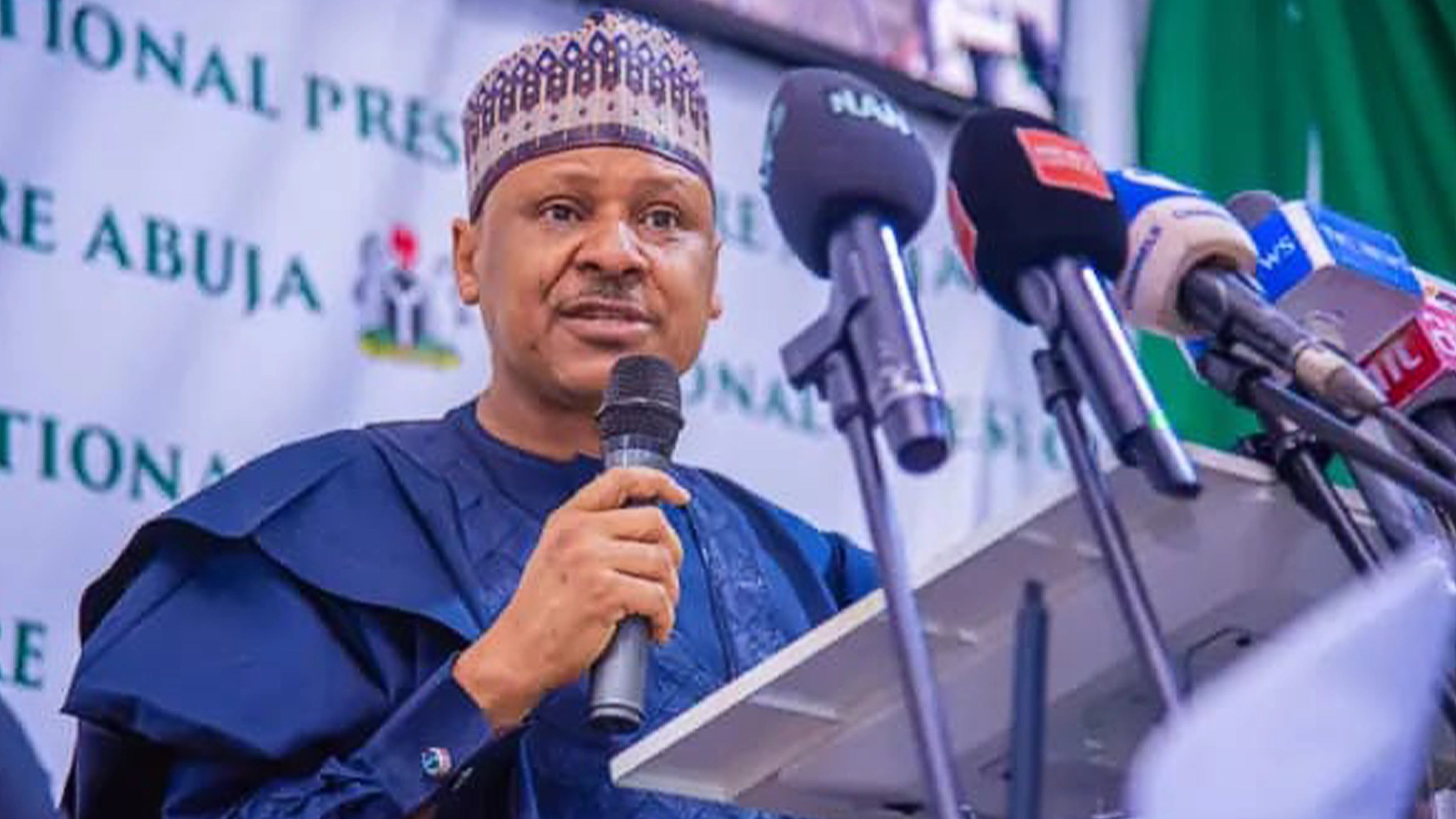
Amid efforts to stabilise food prices, the Bank of Agriculture (BOA), in collaboration with the Federal Ministry of Agriculture and Food Security and the Nigeria Commodity Exchange (NCX), has unveiled the Guaranteed Minimum Price (GMP) Mechanism to protect 500,000 farmers, representing 11.6 million farming households.
The launch of the GMP followed the release of N200 billion to BOA by President Bola Tinubu to stabilise food prices and ensure farmers do not incur losses due to a crash in food prices.
Speaking during the launch of the Programme yesterday in Abuja, the Managing Director of BOA, Ayotunde Sotinrin, revealed that the project was aimed at aggregating about one million metric tonnes of grains, including rice, maize, sorghum and others at farmers’ prices.
He clarified that the GMP is targeted at farmers who cultivate crops and would not extend to traders, who would be supported through other financial instruments, saying the aim is to buy grains when prices are low, store them and release them into the market when prices rise, thereby helping to stabilise food prices.
BOA MD disclosed plans to work with farm aggregation companies to identify farmers and aggregate their produce, while payments would be made directly into the farmers’ bank accounts through a technology-driven system.
He said the Nigeria Commodity Exchange (NCX) would provide the market infrastructure, including a structured warehouse receipt system, commodity grading through collateral managers and transparent pricing mechanisms to ensure transparency and efficiency in the implementation of the programme.

He said the technology would be deployed to prevent traders from presenting themselves as farmers and accessing the programme, saying farmers would be required to open accounts and verify their identities and commodity details before receiving payments directly.
On the scope of the programme, he said it would initially target a limited number of farmers because the government resources could not cover all the estimated 70 million Nigerians involved in agriculture.
Sotinrin recalled that the bank has embarked on a programme that enabled farmers to access subsidised financing at single-digit interest rates to enable them to purchase quality inputs and increase productivity.
According to him, farmers participating in the financing programme would access loans at about nine per cent, compared with commercial and microfinance bank rates that could be significantly higher.

