 Follow Us on Google News
 Follow Us on Google Discover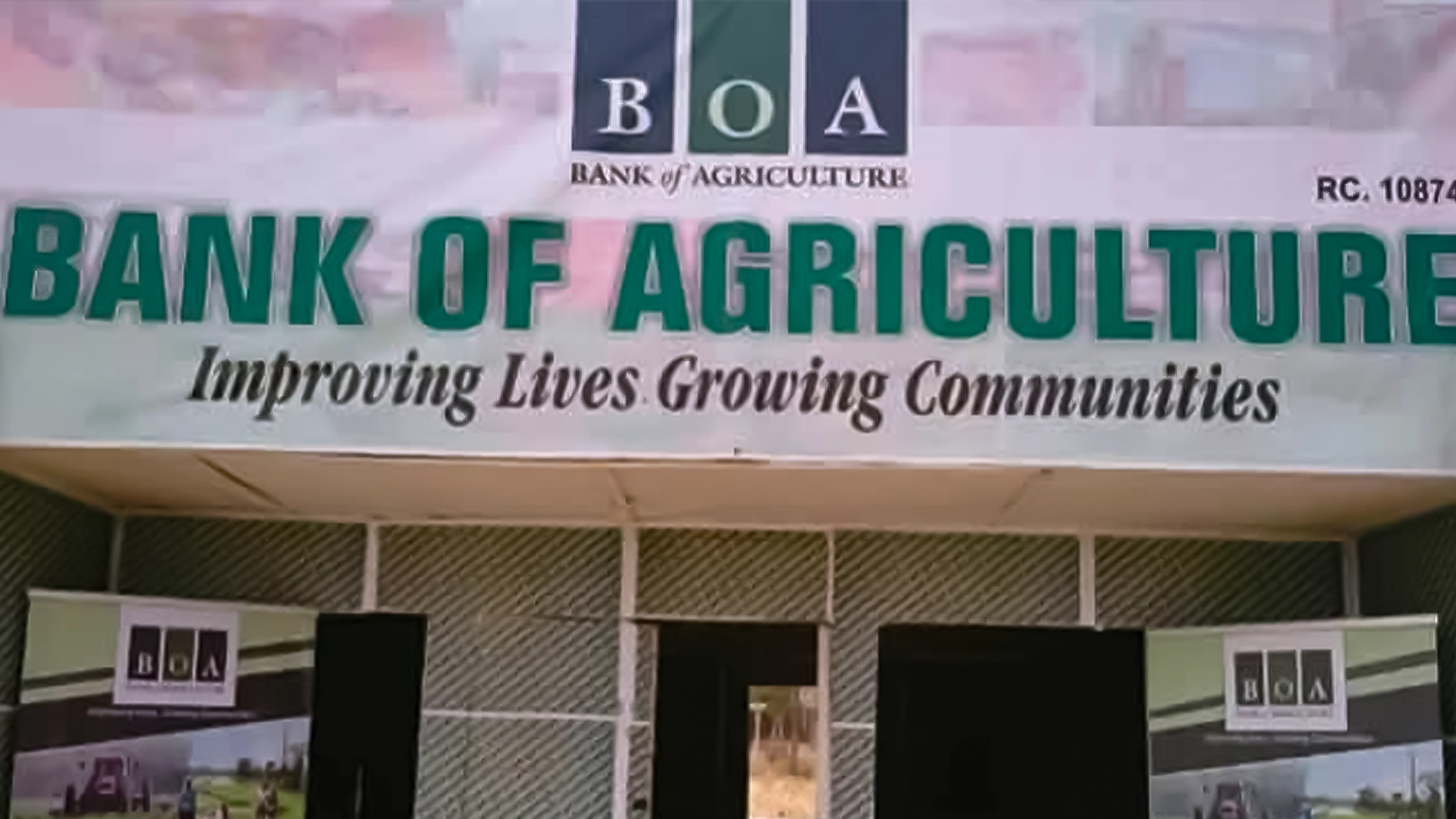
In order to ensure food security in the country, the N11 million tonnes of nation’s annual grain output is expected to rise to 25 million tonnes under the Federal Government’s new agricultural financing programme.
The Managing Director, Bank of Agriculture (BOA), Ayodele Oludare Sotinrin, said the intervention was aimed at boosting food production, tackling food insecurity and reducing rising food prices.
According to him, the initiative which is known as the Renewed Hope Smallholder Agricultural Financing Programme and implemented by BOA is a major intervention designed to improve access to affordable farm inputs, boost crop yields and strengthen national food security.
The Managing Director stated this at the unveiling of Renewed Hope Smallholder Support and Value Chain Fund organized by the Arzikin Noma Africa held at Polo Field, in Zaria.
Sotinrin said the programme would provide farmers with subsidised fertilisers, certified hybrid seeds and other essential inputs through a single-digit interest financing arrangement.
He explained that the inputs are not grants but are financed under BOA’s nine per cent lending facility, making them more affordable for smallholder farmers while ensuring the sustainability of the scheme.

The Managing Director said BOA has selected 20 farm aggregators from more than 1,240 applicants for the pilot phase after assessing their technical and operational capacity to support farmers across participating states.
According to him, the first phase of the programme would reach about 500,000 farmers during the current farming season before expanding it to cover two million farmers next year and eventually five million farmers nationwide.
He explained that if five million farmers cultivate one hectare each and produce at least five tonnes per hectare, Nigeria would generate about 25 million tonnes of food annually, enough to meet domestic demand, reduce dependence on imports and create opportunities for agricultural exports.
Besides, the BOA boss also revealed that the bank plans to extend support beyond the rainy season through irrigation financing and irrigation-as-a-service initiatives to enable year-round farming and improve farmers’ incomes.
He urged beneficiaries to use the inputs strictly for farming purposes, avoid diversion or resale, and adhere to the guidance of extension officers in order to maximise productivity and ensure successful loan repayment.
Meanwhile, earlier, the Minister of Agriculture and Food Security, Senator Abubakar Kyari, said the Federal Government remains committed to tackling food inflation by increasing agricultural production rather than relying on imports.
He said food affordability is largely determined by supply and demand, stressing that expanding production througsh timely access to quality inputs remains the administration’s core strategy.
The Minister disclosed that about two million bags of agricultural inputs would be distributed through registered farm aggregators, who would also provide extension services and implement a Guaranteed Minimum Price (GMP) mechanism to protect farmers from exploitation by ensuring they receive fair prices for their produce after harvest.
Sen Kyari noted that although nearly 90 per cent of Nigeria’s farmers cultivate less than one hectare of land, they account for about 85 per cent of the country’s food production, making support for smallholder farmers critical to achieving national food security.
The minister expressed confidence that the combination of timely input distribution, improved seeds, weather-based advisory services and guaranteed pricing would significantly boost food production and reduce food prices across the country. Also, in his remarks, the Group Managing Director of Arzikin Noma Africa, Adeoluwa Michael Adeshola said the long-term success of the programme depends on sustained private sector participation and strict compliance with loan repayment by beneficiaries.
He said while government should provide policy direction and funding support, implementation is best driven by the private sector because of its proximity to farmers and understanding of local agricultural value chains.
“The best collaboration anywhere in the world is when government provides policy and the private sector delivers implementation. With this partnership, Nigeria can achieve food sovereignty and become a leading exporter of agricultural produce,” he said.
Adeshola disclosed that beneficiaries are expected to repay the financing after harvest, stressing that the revolving nature of the fund would enable more farmers to benefit in subsequent farming seasons.
He added that traditional rulers, community leaders, security agencies and other stakeholders have pledged to support the programme by encouraging beneficiaries to honour their repayment obligations.
According to him, timely repayment and sustained investment in smallholder agriculture would not only increase food production but also reduce food inflation, improve rural livelihoods and position Nigeria as a major agricultural hub in Africa.
The Renewed Hope Smallholder Agricultural Financing Programme is one of the Federal Government’s flagship agricultural interventions aimed at expanding access to finance, improving farm productivity and accelerating the country’s drive towards food security and food sovereignty.

