 Follow Us on Google News
 Follow Us on Google Discover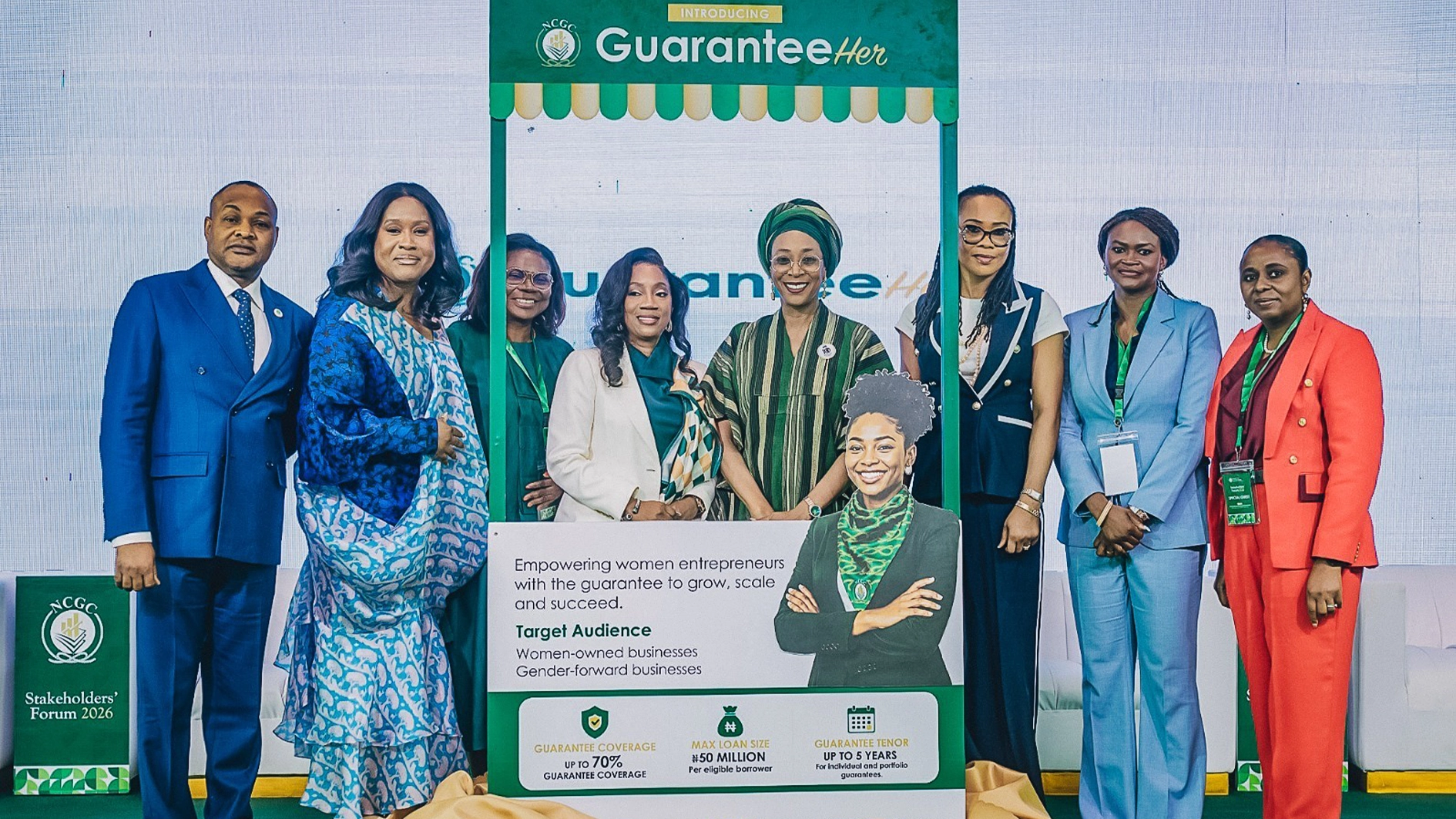
More than 22,600 Nigerians accessed formal credit for the first time through loans backed by the National Credit Guarantee Company Limited (NCGC), highlighting the continuing challenge of bringing underserved borrowers into the financial system.
The borrowers accounted for 33.5 per cent of the 67,512 beneficiaries who received loans facilitated under the NCGC’s guarantee scheme as of August 2026.
The company disclosed this at its 2026 Stakeholders’ Forum in Lagos, where it reported that participating financial institutions had extended about N46.95 billion in credit, backed by N21.59 billion in guarantees.
The loans reached beneficiaries across 25 states and the Federal Capital Territory.
The figures provide an indication of the extent to which access to formal financing remains limited for some businesses and individuals, particularly those unable to meet conventional lending requirements.
Under the guarantee arrangement, the NCGC absorbs an agreed portion of losses on qualifying loans, while participating lenders remain responsible for assessing borrowers, monitoring loans and recovering repayments.
The company said 19 financial institutions were participating in the scheme, comprising 13 commercial banks, three microfinance banks and three development finance institutions.
Women-owned businesses accounted for another significant component of the beneficiaries, with 11,374 such businesses receiving NCGC-backed financing during the period under review.
NCGC Managing Director and Chief Executive Officer, Dr Bonaventure E. Okhaimo, said the figures showed how changing the risk profile of lending could influence access to finance.
“When we change the risk equation, we can change who gets access to capital,” Okhaimo said.
He said the objective of the institution was to complement existing financial institutions rather than replace them, particularly by helping lenders extend credit to borrowers who might otherwise be considered too risky.
The company also estimated that the loans facilitated through its intervention had contributed to 661,291 direct and indirect jobs.
However, the NCGC’s first-year figures come against a broader backdrop of financing difficulties for micro, small and medium enterprises, which frequently cite high borrowing costs, inadequate collateral and limited access to formal credit among their major constraints.
For its next phase, the company said it would focus more attention on women-owned and women-led businesses through its GuaranteeHer product.
The initiative targets more than N100 billion in financing for over 20,000 women-owned businesses over five years, according to the NCGC.

The company commenced operations on July 1, 2025, as a Federal Government-backed credit guarantee institution established to facilitate access to finance through partial guarantees, co-guarantees, and technical assistance.
This angle is less promotional because NCGC becomes the source of the figures, not the subject being praised. It also gives the story a wider economic context: why are 22,600 people only now entering formal credit, and what does that say about access to finance in Nigeria?

