 Follow Us on Google News
 Follow Us on Google Discover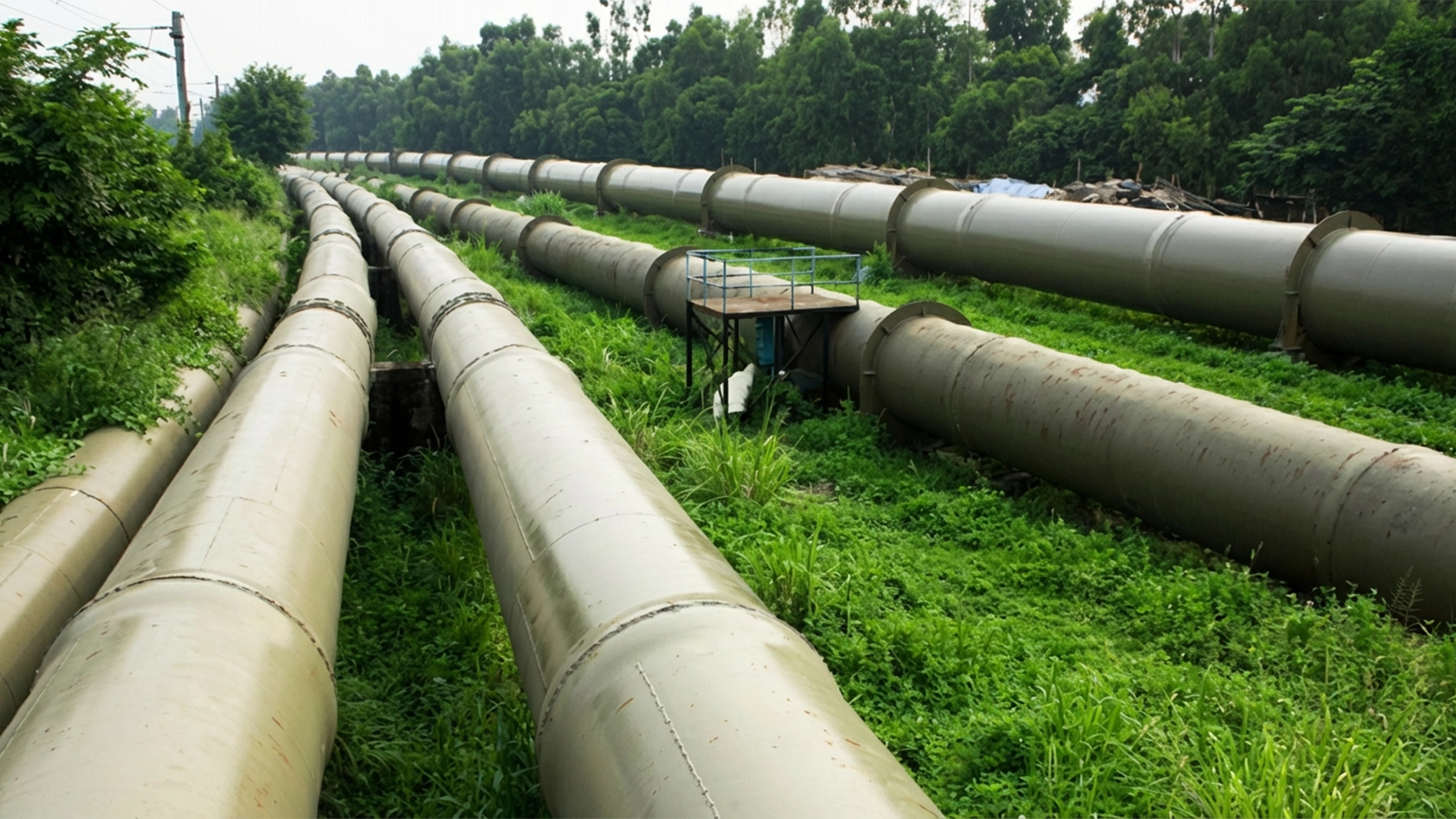
The Revenue Mobilisation Allocation and Fiscal Commission (RMAFC) has launched a fresh drive to attract Chinese investors into Nigeria’s oil and gas industry, with plans to showcase opportunities across the upstream, midstream and downstream at a proposed investment summit in Beijing.
The Commission said the summit was designed to position Nigeria as a competitive destination for sustainable oil and gas investment while leveraging China’s technology, financing capacity and expertise to address structural bottlenecks undermining the industry.
Chairman of RMAFC, Mohammed Bello Shehu, disclosed this yesterday at a stakeholders’ breakfast meeting in Abuja ahead of the proposed summit. He said the initiative was part of the Commission’s constitutional responsibility to advise governments on improving fiscal efficiency and increasing revenue.
Shehu said the summit would provide potential investors with first-hand information on Nigeria’s ongoing petroleum-sector reforms, investment opportunities, technological innovations, financing options and measures aimed at improving the ease of doing business.
“We aim to collaborate with all agencies present here to make the Summit a success,” he said.
He said the Commission had already visited China and held discussions with the Nigerian diplomatic officials in Beijing, Chinese planners and event consultants and other stakeholders as part of preparations for the summit.

The proposed summit is expected to feature business-to-business engagements, policy dialogues, investment matchmaking sessions, technical exhibitions and networking opportunities designed to generate long-term partnerships, increase local content participation and create jobs.
Shehu said Nigeria, with its abundant hydrocarbon resources, strategic geographical location and large population, had significant opportunities to attract investment, but stressed that unlocking the sector’s potential would require stronger collaboration among government agencies, investors, operators, financial institutions, host communities and development partners.
However, the investment drive has also exposed a major infrastructure gap threatening the efficiency of Nigeria’s petroleum market, as independent petroleum marketers called for the reconstruction of the country’s dilapidated pipeline network alongside investments in new refineries.
Publicity Secretary of the Independent Petroleum Marketers Association of Nigeria (IPMAN), Okadike Chinedu, said Nigeria’s original petroleum distribution system was designed around 21 depots linked to refineries through pipelines.
He said the system was intended to move products from refineries to strategically located depots and subsequently to filling stations, reducing transportation distances and making petroleum products more readily accessible to independent marketers.
According to him, products from the Port Harcourt Refinery were expected to move to the Port Harcourt Depot and then to Aba, Enugu and Makurdi, with further distribution to other parts of the country.
But the collapse of the country’s refineries and deterioration of the pipeline network, he said, had effectively distorted the distribution architecture.

