 Follow Us on Google News
 Follow Us on Google Discover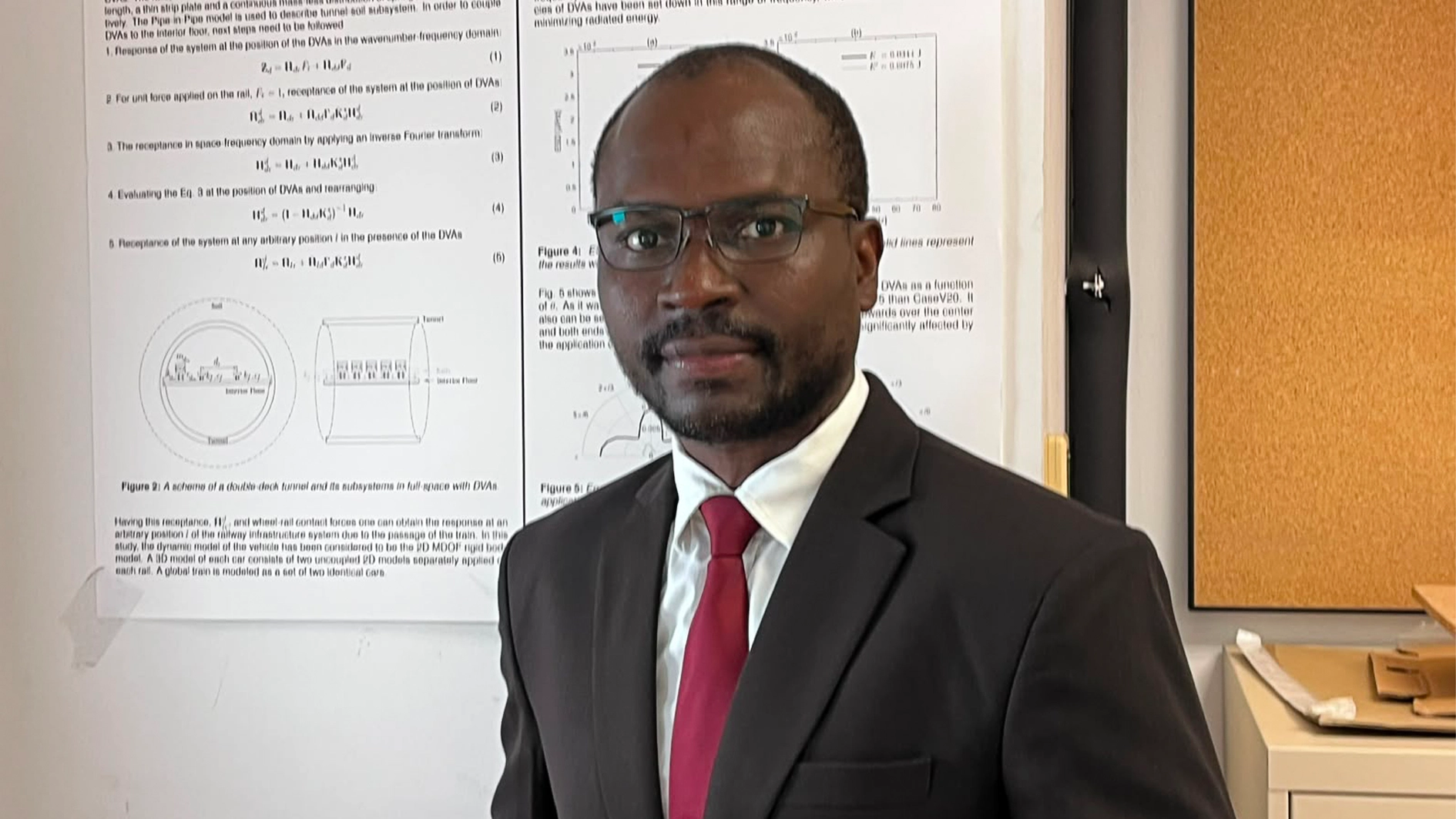
An engineering professional with international experience in professional regulation, Engr. Ologe Solomon Ochuko, CEng, FIMechE, has called for a national conversation on the representational structure of the governing Council of the Council for the Regulation of Engineering in Nigeria (COREN), arguing that the regulatory framework should evolve to provide more equitable representation across the different categories of engineering practitioners and educational institutions it regulates.
Engr. Ochuko said the issue should be approached as a matter of professional governance, inclusion and regulatory reform, rather than as criticism of COREN or any existing professional body.
According to him, Nigeria’s engineering regulatory system recognises different categories within the engineering family, including Engineers, Engineering Technologists, Engineering Technicians and Engineering Craftsmen, yet their representation within the governance structure is significantly different.
“The fundamental question is whether every major constituency regulated by COREN has a sufficiently meaningful voice in the governance of the regulator,” he said.
“If six representatives are considered appropriate for the Nigerian Society of Engineers, we should objectively examine whether the professional constituencies representing Engineering Technologists, Engineering Technicians and Engineering Craftsmen are adequately represented with only one seat each.”
Engr. Ochuko proposed that the engineering profession consider a more balanced representation model as part of any future review of COREN’s enabling legislation.
He stressed that the proposed model should be understood as a policy proposal for discussion and possible legislative reform, rather than an allegation that the existing Council is improperly constituted.

“If the present allocation is what the enabling legislation prescribes, then COREN cannot reasonably be criticised merely for implementing the law,” he explained. “The appropriate question is whether the law itself continues to reflect the engineering profession Nigeria has today and the profession it wants to build for the future.”
Engr. Ochuko also called attention to the representation of engineering educational institutions.
“If four representatives are considered necessary to provide universities with an adequate voice in engineering regulation, there should be an objective contemporary justification for allocating only one representative to the entire polytechnic sector and one to technical colleges,” he said.
He noted that universities, polytechnics and technical colleges perform different but complementary functions in developing Nigeria’s engineering workforce.
“Engineering excellence does not begin and end with the university system,” he said. “Professional Engineers, Engineering Technologists, Engineering Technicians and Craftsmen form an interconnected engineering ecosystem. The institutions responsible for educating and developing these professionals should have meaningful participation in discussions affecting standards, accreditation and professional regulation.”
Engr. Ochuko cautioned that representational equity should not be misunderstood as suggesting that all engineering practitioner categories perform identical professional functions.
“They do not,” he said. “Their educational formation, competencies and scopes of professional responsibility differ. But different functions should not automatically translate into marginal participation in the governance of a regulator whose decisions affect every category.”
According to him, this distinction is fundamental to the proposed reform.
“The objective is not to diminish Engineers in order to elevate Technologists, Technicians or Craftsmen. It is to strengthen the entire engineering profession by ensuring that its major constituent groups can meaningfully participate in its governance.”
Engr. Ochuko further called for greater transparency concerning representation of the states of the federation, particularly where the governing framework provides for representation on a rotational basis.
He suggested that COREN could strengthen confidence in its governance by making information about Council representation, constituencies, tenure and applicable rotation easily accessible.
“Where rotation is prescribed, transparency should make it possible to understand how that rotation operates over time,” he said.
He cautioned, however, that state rotation, geopolitical representation and Federal Character should not automatically be treated as legally identical concepts, and called for any reform to be grounded in the applicable legislation and constitutional framework.
Engr. Ochuko said Nigeria’s progress in Outcome-Based Education, engineering accreditation and alignment with international engineering standards provides an opportunity for a broader conversation about the governance architecture supporting those reforms.
He commended COREN’s efforts towards strengthening engineering education and international benchmarking, while arguing that institutional governance should evolve alongside technical and educational reforms.
“International recognition is important, but strong engineering institutions are built not only through accreditation standards. They are also built through transparent, inclusive and accountable professional governance,” he said.
According to Engr. Ochuko, any future legislative review should therefore consider three broad dimensions: professional representation, institutional representation and geographical representation.
He concluded: “Nigeria does not need a competition between Engineers, Engineering Technologists, Engineering Technicians and Engineering Craftsmen. We need an engineering regulatory system in which each constituent understands its responsibilities and has a meaningful voice in shaping the profession’s future.
Regulation should not merely regulate every member of the engineering family; its governance architecture should also reflect the breadth of the profession it exists to serve.”
Engr. Ochuko called on COREN, professional engineering organisations, academia, polytechnics, technical institutions, policymakers and other stakeholders to consider the issue through constructive professional dialogue and, where necessary, legislative review.

