 Follow Us on Google News
 Follow Us on Google Discover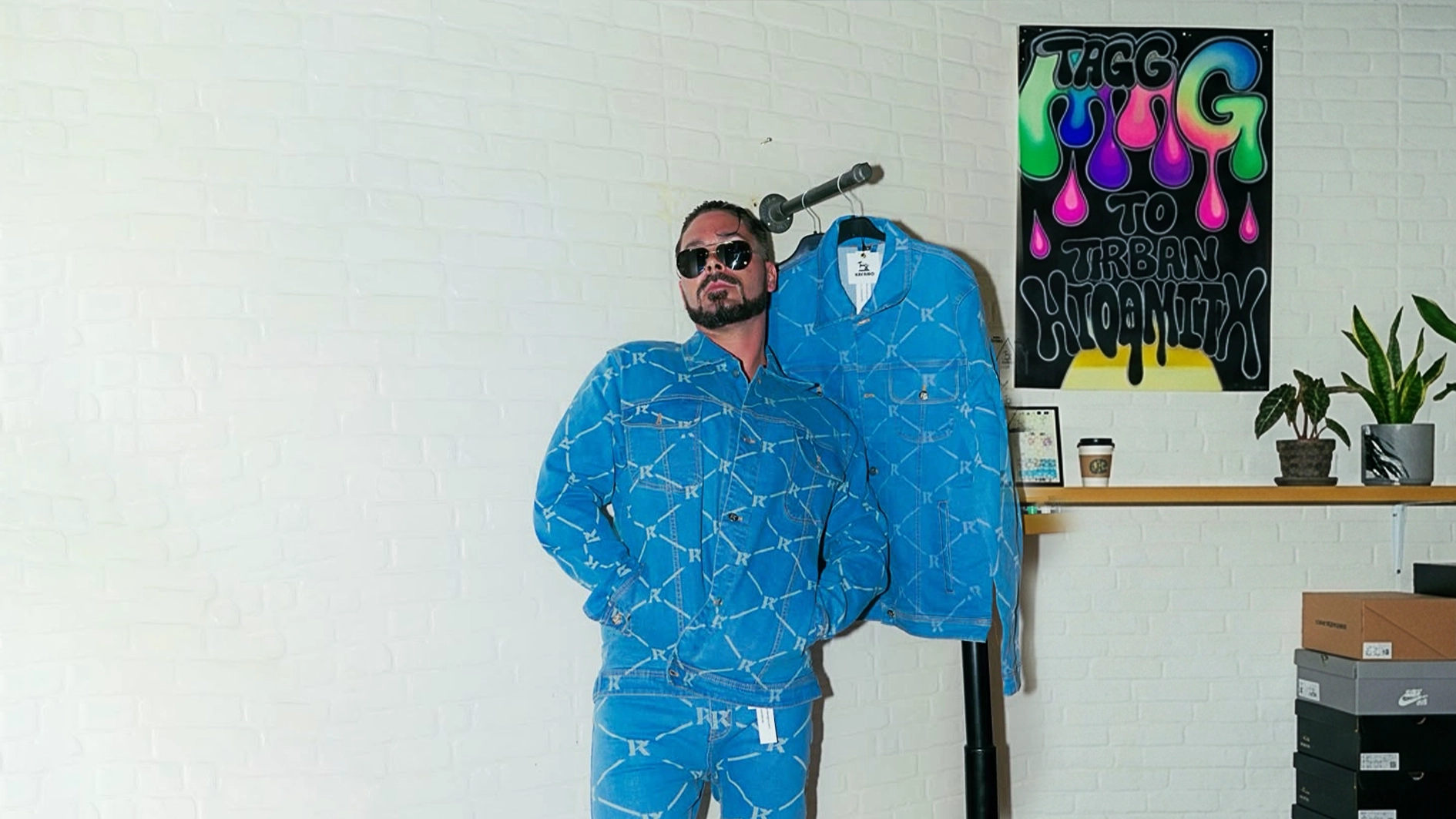
THE CONTINUING RISE OF A NIGERIAN – BRITISH CREATIVE PRACTICE: Critical Review and Recommendation KAFAMO GLOBAL EXHIBITION Mallorca, Spain, 2026
There are moments in the development of a creative brand when an individual exhibition begins to mean more than the event itself. It becomes evidence of progression: of an artist or designer finding an audience, testing ideas in different environments and gradually establishing a creative identity that can travel.
For Kafamo Designs, the two-day exhibition in Mallorca in 2026 represents precisely such a moment.
Under the creative direction of Aderogba Alqawil Aderogba, Kafamo Designs has spent the past three years developing an exhibition practice that has moved from its British foundations into an increasingly international context. What began with exhibition activity in Capetwon and London in 2022/2023 has developed through repeated presentations in the United Kingdom and subsequent international exhibitions in Paris and Barcelona in 2024, three exhibitions in the United Kingdom 2025 including London and Birmingham city before returning to Birmingham in 2026 and finalizing Spain for the two-day Mallorca presentation in 2026.
The significance of Mallorca lies not simply in the fact that Kafamo Designs exhibited in another European location. Its significance lies in the trajectory behind it.
This is a brand that has continued to put its creative work in front of audiences.
It has continued to travel.
It has continued to exhibit.
And, importantly, it has continued to build an international audience response.
A British foundation with an international ambition.
Kafamo Designs‘ exhibition history demonstrates an interesting relationship between place and creative development.
The United Kingdom remains an important foundation for the brand. Across its exhibition programme, Kafamo has maintained a substantial presence in UK cities, including London and Birmingham. By 2026, the brand had developed a record of six UK exhibition presentations, alongside its international activity in Spain.
This sustained UK presence is important when considering the brand’s international development.
Kafamo Designs has not simply abandoned its home audience in pursuit of international recognition. Instead, the practice has developed on two parallel tracks: maintaining engagement with UK audiences while progressively introducing its work to audiences elsewhere.
The European expansion became particularly visible in 2024 with exhibitions in Paris and Barcelona.
These presentations established an important precedent. They demonstrated that the visual language developed by Kafamo Designs could be taken outside its original UK context and placed before audiences in different cultural environments.
Mallorca therefore represents a continuation of that process.
It is not the beginning of Kafamo’s international story.
It is another chapter in it.
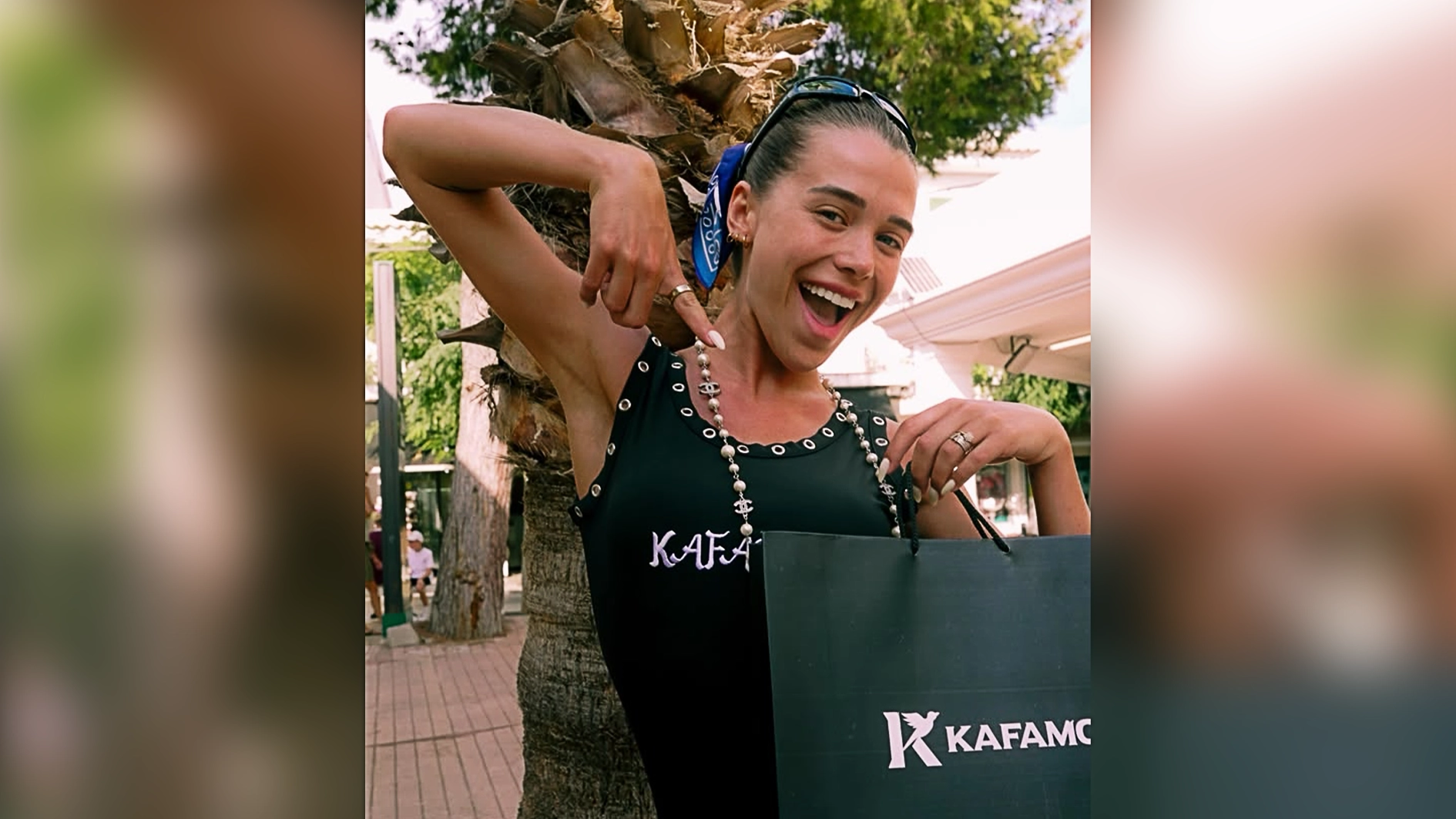
Kafamo Global exhibition: From Barcelona to Mallorca
The return to Spain is particularly significant.
Barcelona and Mallorca are different cultural environments, but both provide Kafamo Designs with an opportunity to engage Spanish audiences. The Mallorca exhibition consequently builds upon the experience of Barcelona rather than existing as an isolated international intervention.
The two-days exhibition format in Mallorca August 2026 also creates a concentrated encounter between the brand and its audience.
The photographs from the Mallorca exhibition reveal a presentation that sits somewhere between fashion showcase, social environment and visual experimentation exhibition. The Kafamo identity is integrated into the physical space, while garments are encountered not simply as products but as objects with a visual presence of their own.
The clean interior allows the clothing to become prominent.
Visitors wearing Kafamo pieces further activate the space.
This is perhaps one of the most interesting characteristics of the presentation: the work changes when it moves from the display environment onto the body.
A garment hanging on a wall or presented within an exhibition space is a designed object. Once worn, however, it becomes part of an individual’s identity and movement. The wearer becomes an extension of the design.
In Mallorca, this relationship is particularly visible.
The audience does not appear entirely separate from the exhibition. Instead, people wearing the work become part of its visual narrative.
Kafamo Creating Fashion as an experience
This distinction helps position Kafamo Designs within a broader contemporary creative context.
The brand’s work may be understood through fashion, but the exhibition activity suggests an interest in something beyond conventional retail presentation. The garments communicate through typography, graphic imagery, logos, colour, composition and styling.
The result is a visual language that can operate both commercially and culturally.
The Kafamo logo itself becomes part of the exhibition environment. Rather than existing solely on a garment label, it becomes a spatial marker, helping establish a recognisable identity within the exhibition.
The photographs also reveal an interesting dialogue between the clothing and surrounding visual objects. A printed Kafamo garment sits within an environment containing artwork, decorative objects and handmade elements. This produces a more layered encounter than a conventional shop display.
It suggests that Aderogba Alqawil Aderogba’s creative direction is concerned not only with designing what people wear, but with how the work is experienced once it enters a space and encounters an audience.
That distinction is important.
The importance of audience response
The strongest evidence for the development of an exhibition practice is ultimately audience response.
Kafamo Designs’ continued exhibition programme demonstrates a willingness to place the work directly before the public rather than relying solely on digital visibility.
The Mallorca exhibition is particularly notable because it followed the brand’s Birmingham exhibition activity in the same year.
This creates a significant sequence: a continued UK presence followed by a concentrated international presentation in Spain.
The reported sold out merchandise response to the Mallorca exhibition is therefore potentially an important indicator of the brand’s development. If supported by sales records, stock information, customer orders, photographs, testimonials or other documentary evidence, it demonstrates something more substantial than visibility.

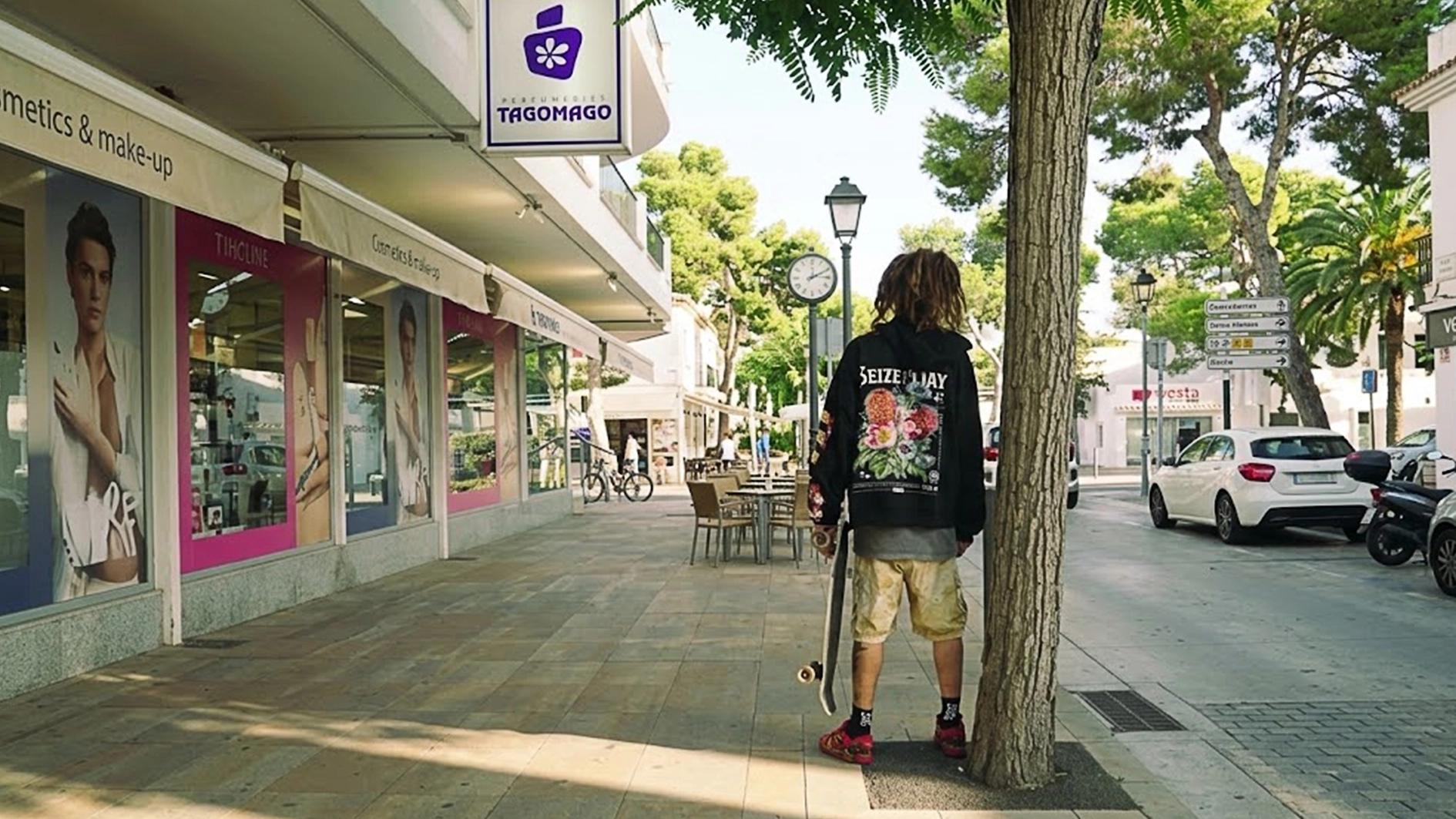 It demonstrates demand.
A successful exhibition can establish awareness. A sold-out exhibition provides evidence that audiences have moved from awareness to active engagement.
That distinction matters when assessing the development of an emerging creative practice.
Kafamo Designs’ story is consequently not simply one of travelling from one city to another. It is a story of testing a creative proposition in different markets and observing how audiences respond.
A growing international exhibition practice
The progression from London in 2023 through the subsequent UK exhibitions and into Paris and Barcelona in 2024, followed by further UK activity and Mallorca in 2026, demonstrates a sustained commitment to exhibition-making.
There is resilience in this trajectory.
International creative development rarely happens through one presentation. It is built through repeated engagement, curated culture experimentation and the willingness to return to public spaces with new work.
Kafamo Designs has demonstrated that willingness.
The Mallorca exhibition is particularly valuable because it adds to an existing body of international experience. Paris introduced the brand to one of Europe’s most recognisable fashion and cultural centres. Barcelona established a Spanish connection. Mallorca now extends that Spanish engagement while providing another opportunity to assess the brand’s appeal in a different setting.
The geographical movement therefore becomes part of the creative story itself.
The role of Aderogba Alqawil Aderogba
At the centre of this development is Aderogba Alqawil Aderogba, Creative Director of Kafamo Designs.
The importance of creative direction in a developing brand is not limited to the design of individual garments. It involves establishing coherence: determining how clothing, visual identity, exhibition presentation and audience experience relate to one another.
The exhibition journey suggests an evolving creative direction in which Kafamo Designs has increasingly understood the value of presenting its work physically and internationally.
That ambition is visible in the decision to continue exhibiting even after establishing a presence in major UK cities.
The movement into Europe indicates a desire to challenge the work against new audiences and environments.
This is an important quality in an emerging creative practice: the willingness to place one’s work outside familiar surroundings and allow audiences to determine its relevance.
Why Mallorca matters
The Mallorca exhibition should therefore be understood as part of a larger story.
It represents the continuation of a Nigerian-British creative practice that is developing an international audience while retaining a strong connection to the UK.
The two-day exhibition provides a concentrated platform for audience engagement. Its location in Spain gives Kafamo Designs another opportunity to build upon the international foundation established through Paris and Barcelona.
Most significantly, it demonstrates that international exhibition activity has become an ongoing component of the brand’s development rather than a one-off achievement.
From London to Birmingham, from Paris to Barcelona, and now to Mallorca, Kafamo Designs has developed a recognisable exhibition trajectory.
The brand’s reported sold out response in Mallorca, alongside its continuing UK exhibition programme, suggests that this trajectory is beginning to translate into measurable audience demand.
Critical Recommendation on kafamo two days exhibition Mallorca
Kafamo Designs’ Mallorca exhibition merits recognition as a significant milestone in the development of an emerging British fashion and design practice with international ambitions.
Its value is not simply geographical. It lies in the relationship between creative direction, exhibition-making, audience participation and international expansion.
The Mallorca presentation demonstrates how Kafamo Designs can use physical exhibition spaces to transform clothing into a wider visual and social experience. The audience becomes part of the presentation; the garments become vehicles for identity; and the exhibition becomes a meeting point between design and community.
Following the brand’s earlier international exhibitions in Paris and Barcelona, Mallorca represents a meaningful continuation of this practice.
It also demonstrates an important balance: while Kafamo Designs continues to develop its international presence, its repeated UK exhibitions indicate that Britain remains central to the brand’s creative and audience development.
Taken together, the exhibition history presents a compelling picture of a British creative brand moving beyond its initial local platform and developing an increasingly international profile.
Aderogba Alqawil Aderogba’s direction of Kafamo Designs demonstrates a clear commitment to audience-facing creative practice, international exchange and the use of exhibition as a means of developing both artistic identity and public engagement.
The two-day Mallorca exhibition is therefore best understood not as an isolated event, but as another significant step in an evolving creative journey.
From its London beginnings to its continuing UK presence, through Paris and Barcelona and now Mallorca, Kafamo Designs is demonstrating that a British creative identity can travel, adapt and generate audience demand in international settings.
The reported sold out response in Mallorca, subject to supporting documentary evidence, provides an especially strong indication that Kafamo Designs is progressing from international exhibition presence towards genuine international audience demand.
KAFAMO DESIGNS: FROM PARIS AND BARCELONA TO MALLORCA
The Continuing Rise of a British Creative Practice
Critical Review & Recommendation
Mallorca, Spain — 2026
Creative Director: Aderogba Alqawil Aderogba
Art Direction : olusina Daniel
Critical review by: [Independent Critic / Arts Journalist / Curator’s Name]

