 Follow Us on Google News
 Follow Us on Google Discover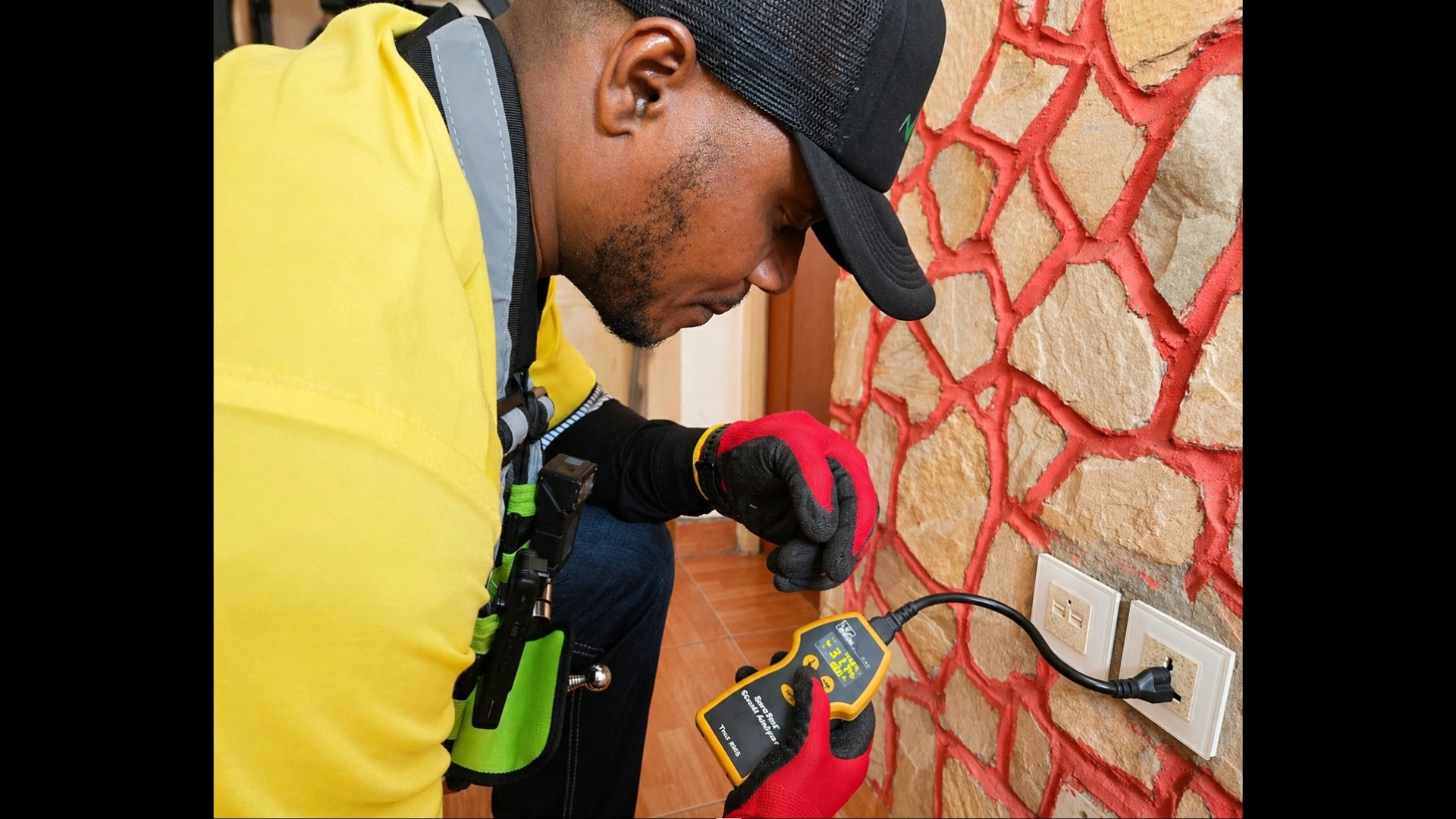
For many Nigerians buying property, due diligence begins with one overriding question: Is the title genuine?
It is an important question.
Property fraud, disputed ownership, defective documentation and multiple sales have made title verification an indispensable part of buying real estate in Nigeria. Sensible buyers engage lawyers, conduct searches, examine survey plans and establish that the person offering a property for sale actually has the legal authority to sell it.
But there is another question that deserves almost as much attention and is asked far less frequently:
What condition is the building I am actually buying?
A property can have a perfectly valid title and still turn out to be a terrible investment.

That is the uncomfortable gap in the way many property transactions are conducted in Nigeria.
We inspect the documents. We verify the owner. We investigate the land.
Then, surprisingly, we sometimes spend tens or hundreds of millions of naira on the building itself without independently verifying its physical condition.
Legal due diligence is only half the job
A title search answers important legal questions.
It can establish ownership, identify encumbrances and help determine whether the seller has the right to transfer the property.
What it cannot tell you is whether the roof leaks.
It cannot establish whether electrical installations have been properly executed, whether plumbing systems function as intended, whether there are moisture problems, whether drainage is adequate or whether visible defects suggest that further structural investigation is necessary.
The documents may be genuine while the waterproofing is defective.
The ownership may be legitimate while the electrical installation is unsafe.
The Certificate of Occupancy may be authentic while parts of the building require millions of naira in remedial work.
Once the transaction is completed, those problems generally become the buyer’s problems.
This is why Nigeria needs to broaden its understanding of property due diligence.
We should verify both the ownership and the asset.
Property buyers are easily distracted by finishes
There is a reason physical defects can be overlooked.
Property is highly visual and often emotional.
A prospective buyer walks into a beautifully finished house and immediately notices the things designed to attract attention: imported tiles, lighting, fitted kitchens, large windows, wardrobes, sanitary fittings, swimming pools and landscaped surroundings.
All of these may contribute to the appeal and value of a property.
But some of the most consequential parts of a building are not immediately visible.
They are behind walls, beneath floors, above ceilings and underneath roofs.
They include electrical installations, plumbing systems, waterproofing, drainage arrangements, roof components and elements of the structure itself.
A fresh coat of paint can make a wall beautiful. It cannot tell you what is happening behind that wall.
This is why visual appeal and building quality should never be treated as the same thing.
New does not mean defect-free
One of the most dangerous assumptions in property purchasing is that a newly constructed house does not need to be inspected.
People understandably associate defects with old buildings.
But buildings do not develop every defect through age. Some defects are created during construction.
Poor workmanship does not need 10 years to become poor workmanship.
Incorrect installation is incorrect from the day it is completed.
Defective waterproofing does not become defective because a building is old.
A new property can contain incomplete works, improperly installed components, drainage problems, electrical deficiencies, water ingress risks and numerous other defects.
The difference is that some may not become obvious until the buyer has moved in.
By then, the developer may have received full payment and the purchaser’s negotiating position may have changed considerably.
That is why inspection is particularly valuable before handover.
The person providing the information matters
A prospective buyer should ask questions.
Has the roof been checked?
Are there signs of moisture penetration?
Does the drainage work properly?
Have the electrical installations been examined?
Does the plumbing function as intended?
Are there unfinished or defective works?
Are there visible issues that require assessment by a structural engineer or another specialist?
But there is another question that is just as important:
Who is providing the answers?
The seller wants to sell.
The developer wants to complete the transaction.
The estate agent generally wants the transaction to proceed.
There is nothing inherently wrong with those interests. They are part of a functioning property market.
But the buyer also needs someone whose primary responsibility is to examine the physical property objectively and report what is found.
That is where independent property inspection becomes important.
Inspection is not about declaring a property “good” or “bad”. Nor should an inspector attempt to replace structural engineers, electrical engineers, architects or other specialists where specialist investigation is required.
The purpose is to provide the buyer with independent information about the observable condition of the property and identify areas that may require attention or further investigation.
Inspection is not an accusation
There is sometimes resistance when buyers request independent inspections, particularly for newly completed properties.
It can be interpreted as distrust of the developer.
It should not be.
A buyer commissioning an inspection is doing what responsible investors routinely do: verifying an asset before committing substantial capital.
The same principle applies in many other transactions.
Companies conduct due diligence before acquisitions. Banks assess assets before lending. Investors examine businesses before putting money into them.
Why should a family committing perhaps its largest lifetime investment to a property be expected to rely largely on appearances and assurances?
Good developers should have little to fear from professional, objective scrutiny.
Indeed, greater acceptance of independent inspection could ultimately benefit developers who consistently deliver quality buildings because it provides another way for them to distinguish themselves in a crowded market.
The cost of knowing versus the cost of discovering
Another objection is cost.
Buyers already face legal fees, agency fees, valuation costs, taxes, documentation expenses and the substantial cost of the property itself.
Why add another expense?
Because the relevant comparison is not between the cost of an inspection and zero.
It is between the cost of obtaining information before purchase and the potential cost of discovering serious problems afterwards.
Rewiring a completed house costs money.
Correcting defective plumbing behind finished walls costs money.
Repairing persistent water ingress costs money.
Addressing major drainage problems costs money.
Replacing poorly installed roofing components costs money.
And some defects create consequences beyond financial cost.
When someone is preparing to spend N50 million, N100 million, N500 million or more on property, the question should therefore not simply be: How much will an inspection cost?
The better question is: What could I be committing myself to if I do not inspect?
Diaspora buyers should be particularly careful
This issue becomes even more important for Nigerians buying property from abroad.
A diaspora buyer may make a substantial investment after seeing photographs, videos and virtual tours, or after relying on an agent, friend or family member.
Technology has made remote property transactions easier, but distance also increases information risk.
A professionally conducted independent inspection can provide photographs, observations, defect documentation and other evidence that allows a remote purchaser to understand the asset more clearly before committing funds.
A buyer in London, Johannesburg, Toronto, Houston or Dubai should not have to rely exclusively on information supplied by someone with a financial interest in completing the sale.
Independent verification can provide another set of eyes.
Property due diligence must evolve
Nigeria has made considerable progress in educating property buyers about title verification.
“Do your search” has become familiar advice.
That is good.
The next stage of consumer education should be equally simple:
Inspect before you invest.
Before buying a completed property, verify the documents and inspect the building.
Before taking possession of a newly constructed home, inspect it.
Before accepting a property bought from abroad, have its physical condition independently assessed.
Legal due diligence tells you whether you can legitimately own the property.
Physical due diligence helps you understand the condition of what you are about to own.
Neither should replace the other.
Because after the lawyer has completed the search, the agent has collected the commission, the seller has received payment and the keys have been handed over, two things will belong to you.
The title will be yours.
So will everything that is wrong with the building.
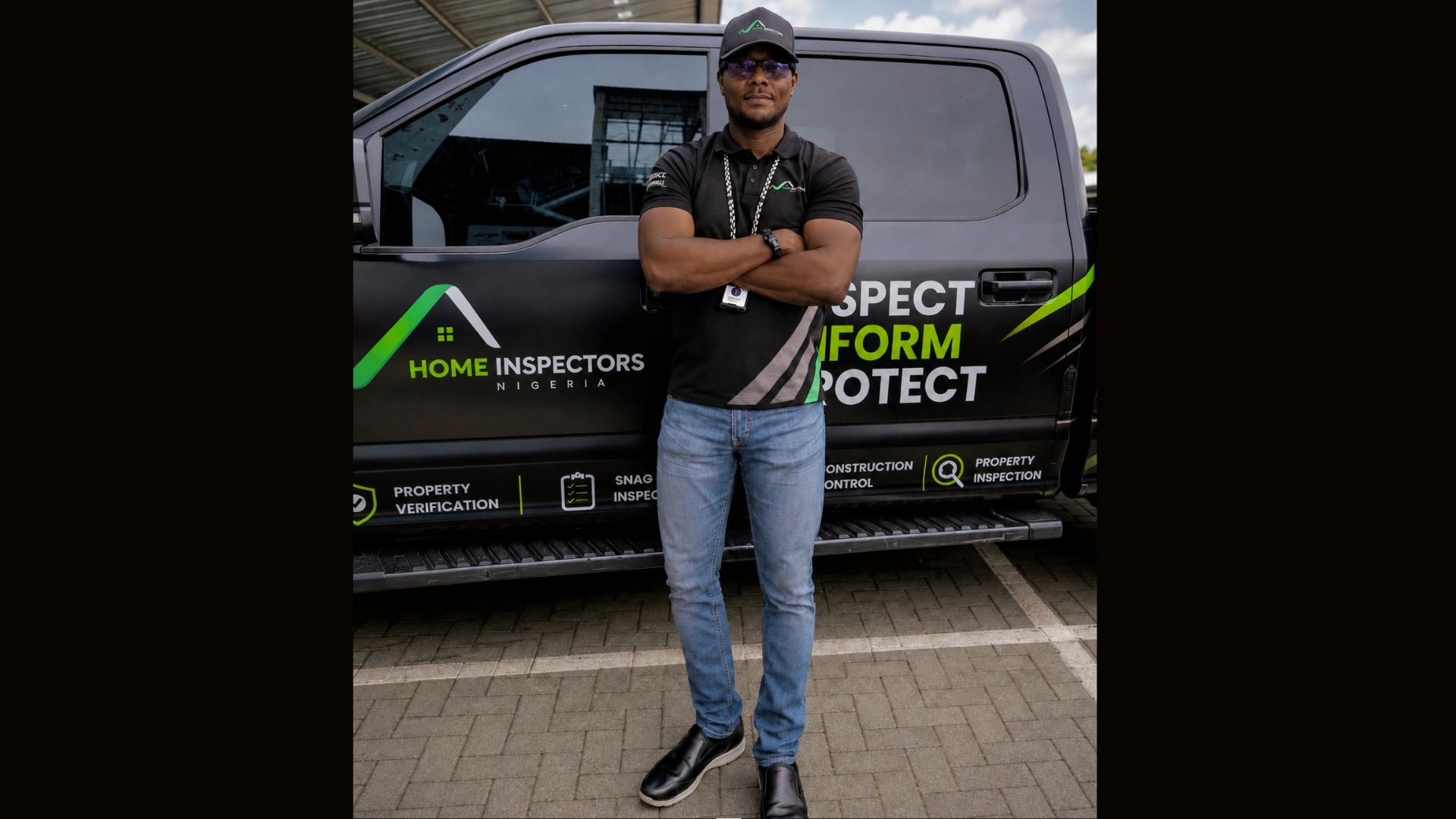
Ikechukwu Casper Chidubem is a building quality and property verification professional, President of Home Inspectors Nigeria (HINL) and CEO of InspectAfrica, a Pan-African building quality ecosystem providing inspection, professional training, certification, technology and standards development. He works with homeowners, investors, developers and institutions on property verification, construction quality assurance and technical due diligence across Africa.

