 Follow Us on Google News
 Follow Us on Google Discover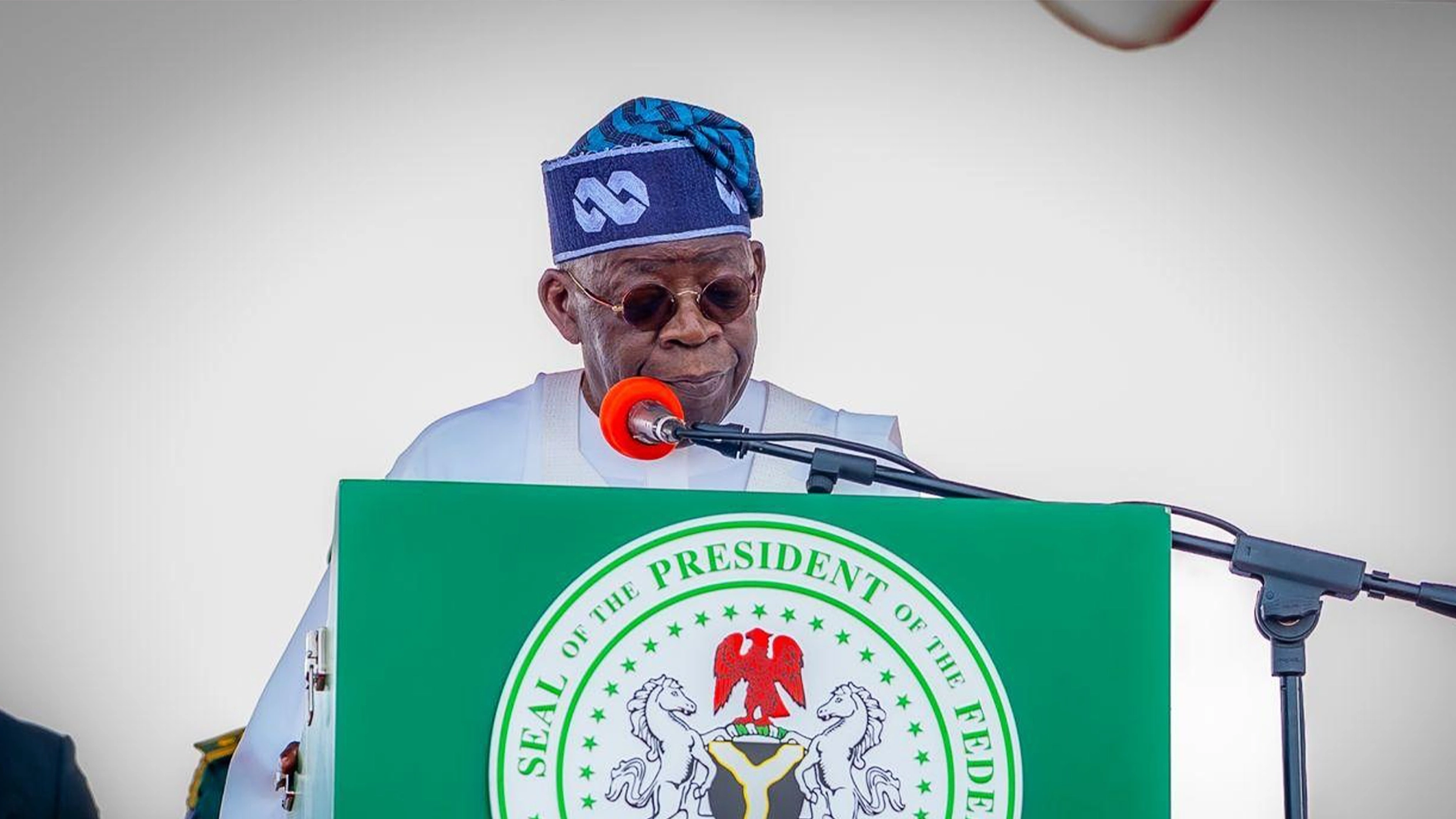
President Bola Tinubu’s call on governors to prioritise investments in critical infrastructure over white elephant projects as a conscious step towards tackling escalating insecurity confirms the rampant misplacement of priorities in state and local council governance, to the detriment of citizens’ safety and welfare. The Federal Government cannot be absolved of blame for the same insensitivity.
What makes the situation more distressing is that, in most cases, the misplacement of priorities is not a mistake or a lack of knowledge of what should be done at every point, based on the realities on the ground, but greed and a tendency to steal public funds, a shameful act which many of our leaders in the corridor of power have perfected. Under them, the safety and welfare of the led matter less; the wellbeing of the people who voted them into office can go to hell.
Besides, the President’s call indicates that there is hardly any common vision among leaders at the federal, state and local government levels as to what should be given priority with a view to tackling the insecurity that is tormenting the country. With the tragedies the country has suffered since it came under fierce attacks by terrorists, kidnappers, and other hardened criminals, should it take President Tinubu’s directive for the state governors to know that safety is crucial and that no meaningful development can take place in an atmosphere of insecurity? The lip service they have paid so far to ending insecurity must stop. Investing in white elephant projects, ostensibly for the governors’ personal gain, while people languish in insecurity and untold hardship is corruption.
On July 30, 2026, President Tinubu called on the governors to prioritise investment in roads and other critical infrastructure over what he described as white elephant projects, saying that improved connectivity is crucial to tackling insecurity, unlocking economic opportunities, and improving the quality of life of the citizens.
Tinubu, who spoke when traditional rulers from Oyo State, led by the Olubadan of Ibadanland, Oba Rashidi Ladoja, paid him a courtesy visit at the Presidential Villa in Abuja, said the governors had more resources at their disposal than before, following his administration’s fiscal reform that has increased allocation by more than four times what they used to get.
He craved deployment of the funds to projects that will deliver tangible benefits to the citizens rather than prestige projects with limited public value. Tinubu specifically pointed out that expanding road networks in underserved communities would not only stimulate economic activities but would also improve security agencies’ ability to swiftly respond to security emergencies and save lives and property.
His call on the governors to be more responsible is a welcome development. Since Nigeria became enmeshed in unprecedented insecurity, one of the factors that have been identified as aiding the free operation of terrorists and other criminal elements is the presence of vast ungoverned spaces in many states, especially in the northern part of the country.
These spaces lack effective state control, law enforcement, or basic public services, a situation that easily drives insecurity. Specifically, vast forests, porous borders, and remote rural expanses are known to serve as operational safe havens, training camps and hideouts for insurgent groups, syndicate kidnappers, and armed bandits to launch attacks on public institutions, communities and travellers on the roads with impunity.
It is now common knowledge that large terrains like the Sambisa forest in the Northeast region provide protected bases for Boko Haram, ISWAP and other terrorist gangs to stockpile weapons and freely plan large-scale offences. Also, there are dense forests in Zamfara, Kaduna and Katsina, as well as unmonitored inter-state boundaries and rugged terrains that ease the movement of captives and act as logistical grounds for the booming ransom-abduction industry. The porous borders facilitate the influx of small arms, light weapons, and foreign mercenaries. The situation also allows insurgent networks to easily circle around and across the neighbouring countries like Chad, Cameroon, and Niger Republic.
On the economic front, the ungoverned spaces make it easy for criminal groups to supplant weak state presence by levying illegal taxes and coercing local compliance from neglected rural populations. This is manifest in the fact that some local governments in the northern part of the country are now under the control of some terrorist groups. Another consequence of the unmonitored territories is the invitation of illegal miners and people who perpetrate environmental theft, such as oil bunkering in the Niger Delta and illegal mining of gold and other solid minerals in some states.
The Constitution of the Federal Republic of Nigeria, which clearly states that the security and welfare of the people shall be the primary purpose of the government, does not specify any particular level of government. It rolls all three tiers into one as regards ensuring safety and improving the welfare of the people. What we have seen so far is a situation where the task has been left to the central government.

The governor must be told that they remain the chief security officer of their respective state. The excuse that they do not have any special force to provide security or that they are not directly in control of the police and other security formations in their domains does not hold water. With increased allocation, they should be able to take measures that will boost the safety of life and property in their states. What Nigerians see instead has been wastage, corruption, financial recklessness and insensitivity to the plight of the citizens by many of the governors who also behave like emperors. They deploy large amounts of money to projects that are of very little value to the people, ostensibly to line their pockets.
The governors should be strategic in their deployment of funds for projects. Safety of life is crucial and deserves special attention. They should reduce the cost of governance, stop wastage, and investment in white elephant projects and use the funds on what will help them to penetrate the ungoverned spaces and register government’s presence in all nooks and crannies of their domains so that there will be no hiding place for criminal elements. It will also help to stop the stealing of state mineral resources.
We advise them to gradually begin to assume responsibility for the security of life and property in their states. The increase in allocation should make a visible impact on the citizens, and when state police begin operations, the agency should be well equipped to effectively protect the people.
President Tinubu should practise what he preaches by looking inward to see where and how his administration is unnecessarily increasing the cost of governance and stop it to free money for development projects. He should entrench financial discipline at the federal level for the states to emulate. As he has preached, infrastructure planning should be driven by the needs of the people and national security priorities. The Federal Government should repair and, if necessary, expand and extend the federal roads in the states to some of the ungoverned spaces and help to establish government presence in such places to ward off criminals.

