 Follow Us on Google News
 Follow Us on Google Discover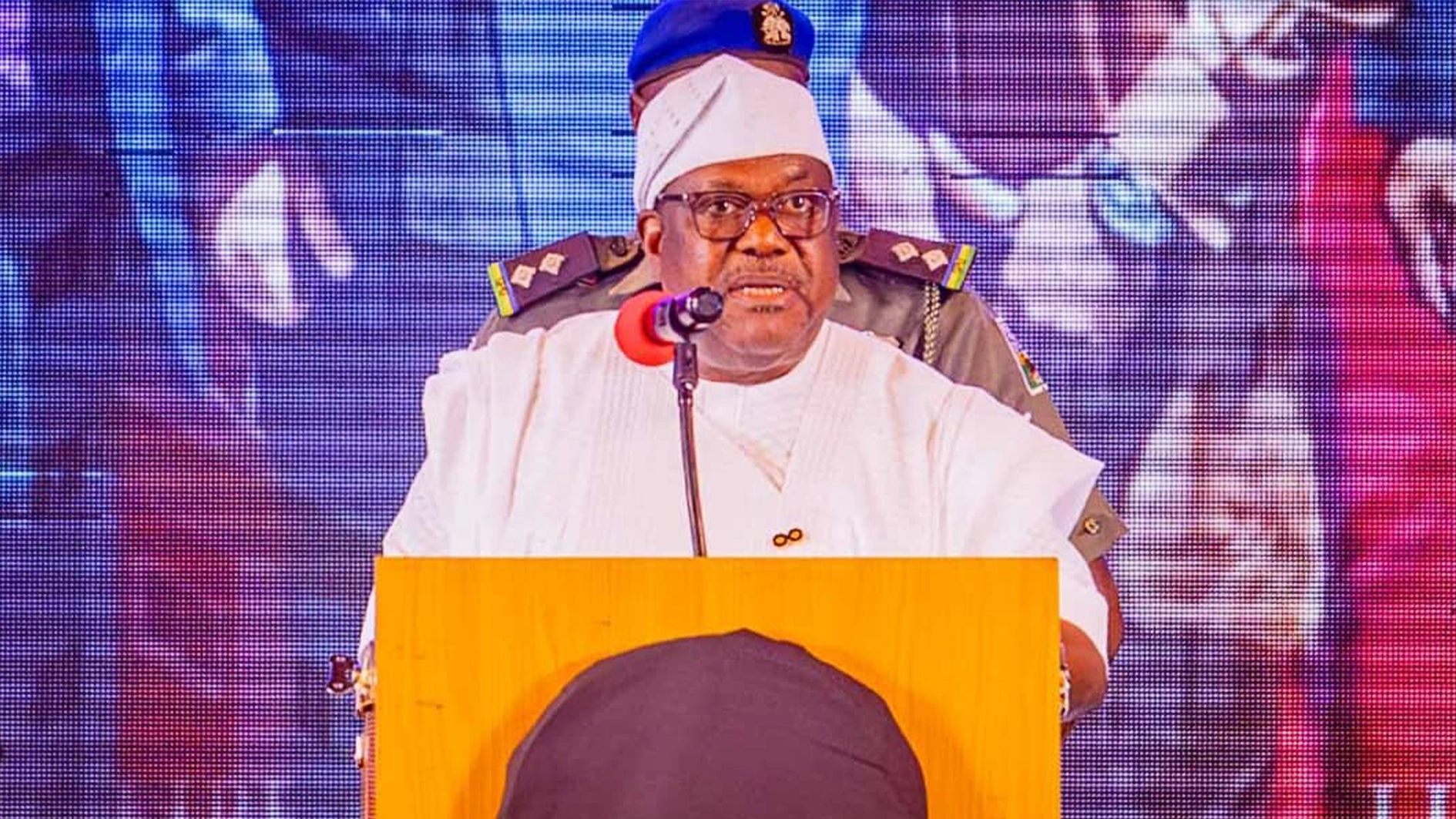
EFCC takes corruption fight to pulpits, mosques
Federal Government has urged religious and traditional leaders to prevent politicians from exploiting religious and ethnic divisions ahead of the 2027 General Elections, warning that places of worship must not become platforms for political violence.
The Secretary to the Government of the Federation, George Akume, who gave the charge yesterday at a meeting of the Nigerian Inter-Religious Council (NIREC) in Abuja, called on Christian and Muslim leaders to speak with one voice against violence and ensure that political activities remained within the democratic process.
Akume appealed to religious leaders to issue a clear, unambiguous public message during the ongoing campaigns that politics belongs in the ballot, not at the altar or mosque.
The SGF, who acknowledged the continuing threat posed by banditry, kidnapping, communal clashes and terrorism across the country, said the government was intensifying security operations and strengthening intelligence gathering, rapid response mechanisms and protection around vulnerable locations, including churches, mosques, schools and markets.
Akume stated that NIREC would convene state-level forums before the end of 2026 involving police commands, the Independent National Electoral Commission (INEC) and religious representatives to identify potential flashpoints and promote peaceful elections.

Also at the event, the Chairman of the Economic and Financial Crimes Commission (EFCC), Ola Olukoyede, decried the high level of corruption among religious leaders and called for a rethink of the use of religious titles such as “Pastor,” “Imam,” “Reverend” and “Bishop” for people facing allegations of financial crimes.
Olukoyede revealed that the EFCC’s case files contain numerous suspects identified by religious titles, including some who have been convicted and imprisoned for financial crimes.
He insisted that religious leaders and institutions have extraordinary responsibility in Nigeria’s anti-corruption struggle, and emphasised that one of the most consequential contributions religious leaders can make was to restore the moral dignity of honest living.
He said religious titles should not influence how suspects are treated or obscure the alleged offences for which they are being investigated.
Olukayode also challenged churches and mosques to scrutinise the sources of donations and wealth brought before them, warning that accepting unexplained wealth in the name of religious expansion could amount to providing moral cover for corruption.
He cited the example of a public servant who allegedly built a multimillion-naira religious facility far beyond what could reasonably be supported by his known earnings.
Also speaking at the event, the Sultan of Sokoto and Co-Chairman of the Nigeria Inter-Religious Council (NIREC), Muhammadu Sa’ad Abubakar III, called for a united religious response to corruption, declaring that no cleric, religious leader or influential Nigerian should be shielded from the law when found culpable.
He stated that religious leaders had a responsibility to support efforts to tackle corruption because, according to him, corruption was condemned by God.

