 Follow Us on Google News
 Follow Us on Google Discover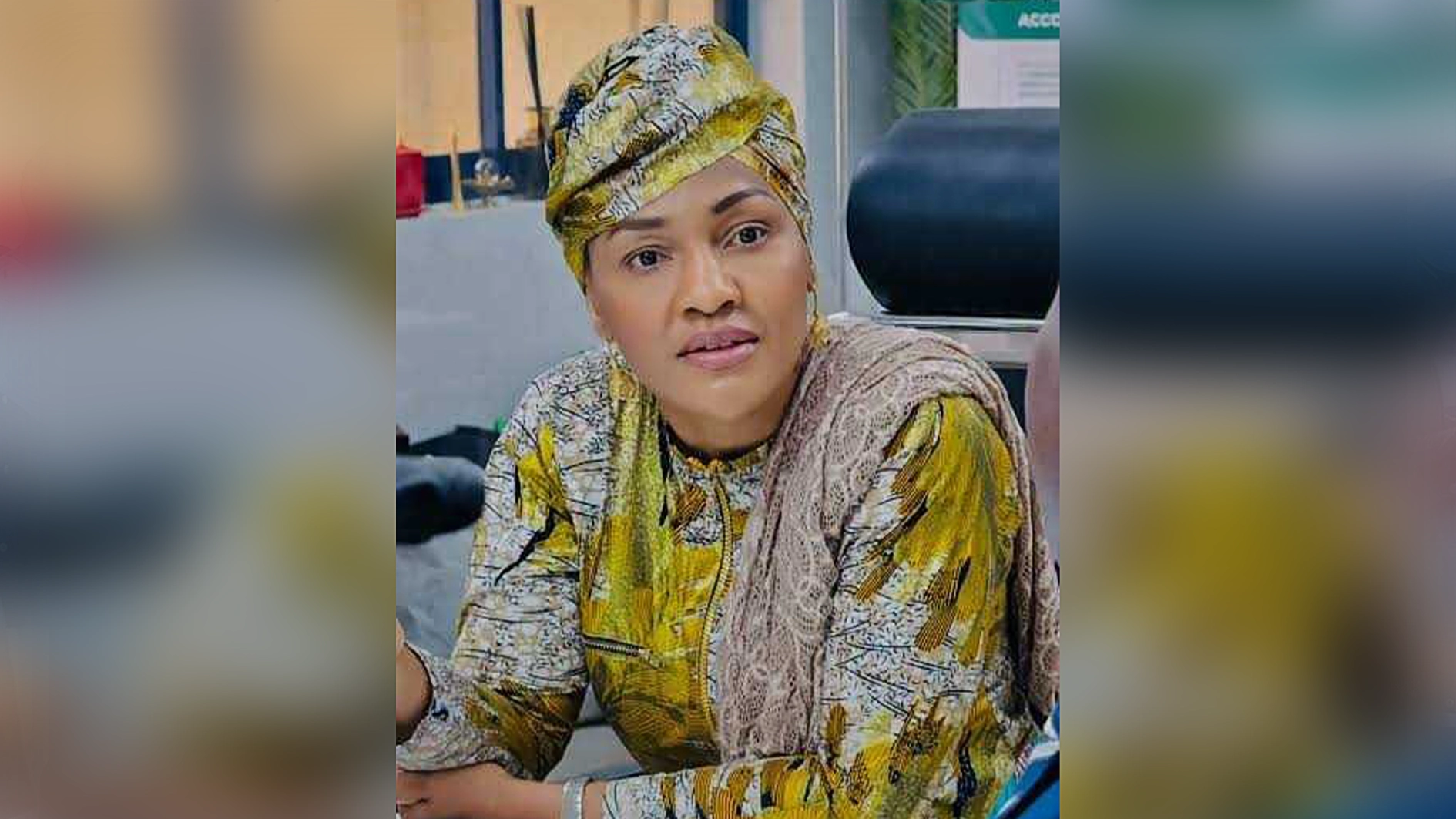
The Director-General of the Presidential Enabling Business Environment Council (PEBEC), Princess Zahrah Mustapha Audu, has described President Bola Ahmed Tinubu as Nigeria’s greatest-ever leader, citing his political experience, institutional reforms and willingness to take difficult economic decisions.
Audu, who is also the National Publicity Secretary of the City Boy Movement, made the assertion in an article titled “President Bola Ahmed Tinubu Is Nigeria’s Greatest-Ever Leader.” She argued that leadership should be judged not only by immediate comfort but by the institutions built, difficult decisions taken and the future made possible.
According to her, Tinubu’s political significance predates his emergence as president in 2023, tracing his career to his time as a senator during the Third Republic, his involvement in the pro-democracy struggle, exile and his tenure as governor of Lagos State. She said his political influence continued after leaving office as governor through his role in opposition politics and the alliances that contributed to the formation of the All Progressives Congress (APC) and its 2015 victory.
Audu said Tinubu’s Lagos experience helped establish what she described as the philosophy of a “capable state”, arguing that effective governance requires institutions capable of mobilising revenue, formulating policies, executing decisions, enforcing rules and creating conditions for private enterprise to flourish.
On the economy, she said Nigeria had accumulated structural problems over decades, including the rising cost of petrol subsidy, foreign exchange imbalances, weak public revenues, infrastructure deficits, import dependence and administrative inefficiencies. She described this as a “political economy of postponement”, where governments often transferred the cost of avoiding difficult reforms to the future.
Audu said Tinubu disrupted that pattern through the removal of the petrol subsidy, although she acknowledged that the transition had imposed genuine hardship on Nigerians. She argued that the hardship should be considered alongside the long-term consequences of maintaining the previous arrangement.

“Leadership sometimes requires choosing not between difficulty and comfort, but between the difficulty of adjustment today and the greater danger of structural failure tomorrow,” she said.
The PEBEC DG also highlighted the administration’s ease-of-doing-business reforms, saying government efficiency was an important determinant of economic competitiveness. She identified permits, customs procedures, company registration, commercial courts and government approvals as areas where bureaucratic inefficiencies could impose additional costs on businesses.
According to her, the objective of the business-facilitation framework is to reduce the institutional cost of being productive in Nigeria and ensure that the government facilitates legitimate enterprise rather than becoming an obstacle to it. She linked the reforms to the administration’s ambition of building a $1 trillion economy by 2030.
Audu further argued that reforms often carry immediate costs while their benefits take longer to materialise, making them politically difficult. She said Tinubu’s political career had been marked by a willingness to expend political capital on difficult decisions rather than simply accumulate it.
While acknowledging the contributions of other Nigerian leaders, Audu said Tinubu’s political journey—from senator and pro-democracy figure to two-term governor, opposition organiser, coalition builder, party strategist and president—was unusual. She said her assessment rested on an accumulation of political struggles, development of people and institutions, and difficult decisions.
Audu, however, said recognising Tinubu’s contribution should not mean suspending scrutiny of his administration.
“Giving President Tinubu his flowers does not mean suspending scrutiny,” she said, urging Nigerians to continue demanding results, better living conditions, social amenities and infrastructure.
She acknowledged that Tinubu’s work remained unfinished, but maintained that his political career had already shaped important institutions and political developments in Nigeria.

