 Follow Us on Google News
 Follow Us on Google Discover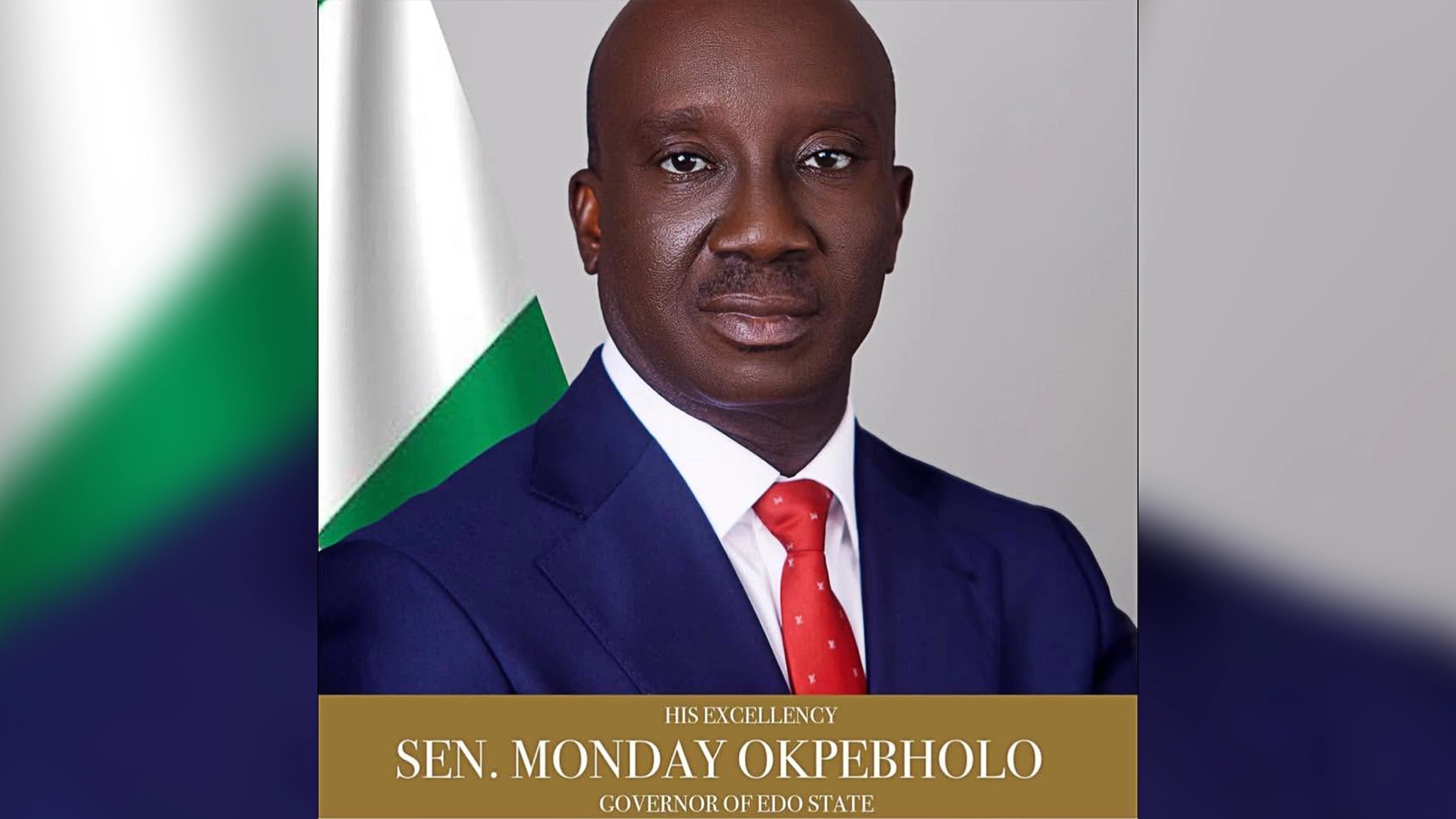
•••Rejects UK comparison
The Allied Peoples Movement (APM) has criticised Edo State Governor, Monday Okpebholo, for defending the prevailing price of petrol.
The party demanded the governor’s resignation for what it described as an insensitive response to the economic hardship confronting Nigerians.
It also rejected the governor’s comparison of petrol prices in Nigeria and the United Kingdom, warning the Federal Government against further increases in the pump price of the commodity.
Okpebholo had, at an event in Edo State on Thursday, compared petrol prices in Nigeria with those in the United Kingdom, saying a litre of the product sold for more than N3,000 after conversion to naira.
The governor, who said he checked the price during a recent visit to London, argued that Nigerians were “doing very well” because petrol remained cheaper in Nigeria.
But the APM, in a statement on Saturday, faulted the comparison, saying the nominal naira value of petrol in another country did not adequately reflect the affordability of the commodity for citizens.

The party said comparing pump prices without considering differences in income levels, purchasing power and living costs could give a misleading picture of the burden being borne by Nigerian households.
It accused Okpebholo of attempting to justify the hardship caused by rising fuel prices rather than addressing the concerns of citizens who depend on petrol for transportation, businesses and other daily activities.
The party consequently demanded the governor’s resignation, arguing that his comments demonstrated a disconnect from the economic realities confronting Nigerians.
The APM also cautioned against any further increase in petrol prices, particularly as pump prices have already risen to around N1,400 in Lagos and Abuja, with prices reaching about N1,500 in some parts of the country.
It urged the Federal Government to focus on measures that would promote price stability and reduce the impact of energy costs on households and businesses.
The party said the relevant question was not whether petrol was more expensive in the UK after currency conversion, but whether Nigerians could afford the product relative to their incomes and the rising cost of living.
Available UK data supports Okpebholo’s narrow point that petrol is currently more expensive per litre in Britain in nominal naira terms. However, economists and other commentators have noted that such a comparison does not, on its own, establish relative affordability because wages and other living costs differ substantially between the two countries.
The APM maintained that Nigeria’s status as a major oil-producing country made the issue of affordable and stable energy supply particularly important, urging policymakers to pursue measures that would shield consumers from excessive price shocks.
It further warned that additional increases in the pump price could worsen transportation costs, inflationary pressures and the operating environment for businesses already struggling with high energy and production costs.
The party called on the Federal Government to prioritise policies capable of translating Nigeria’s oil and refining capacity into more affordable energy for citizens rather than relying on comparisons with countries where income and economic conditions are different.
Okpebholo, however, had defended the Federal Government’s economic reforms, describing them as difficult but necessary and expressing confidence that the economy would eventually reach what he called a “cruising level.”

